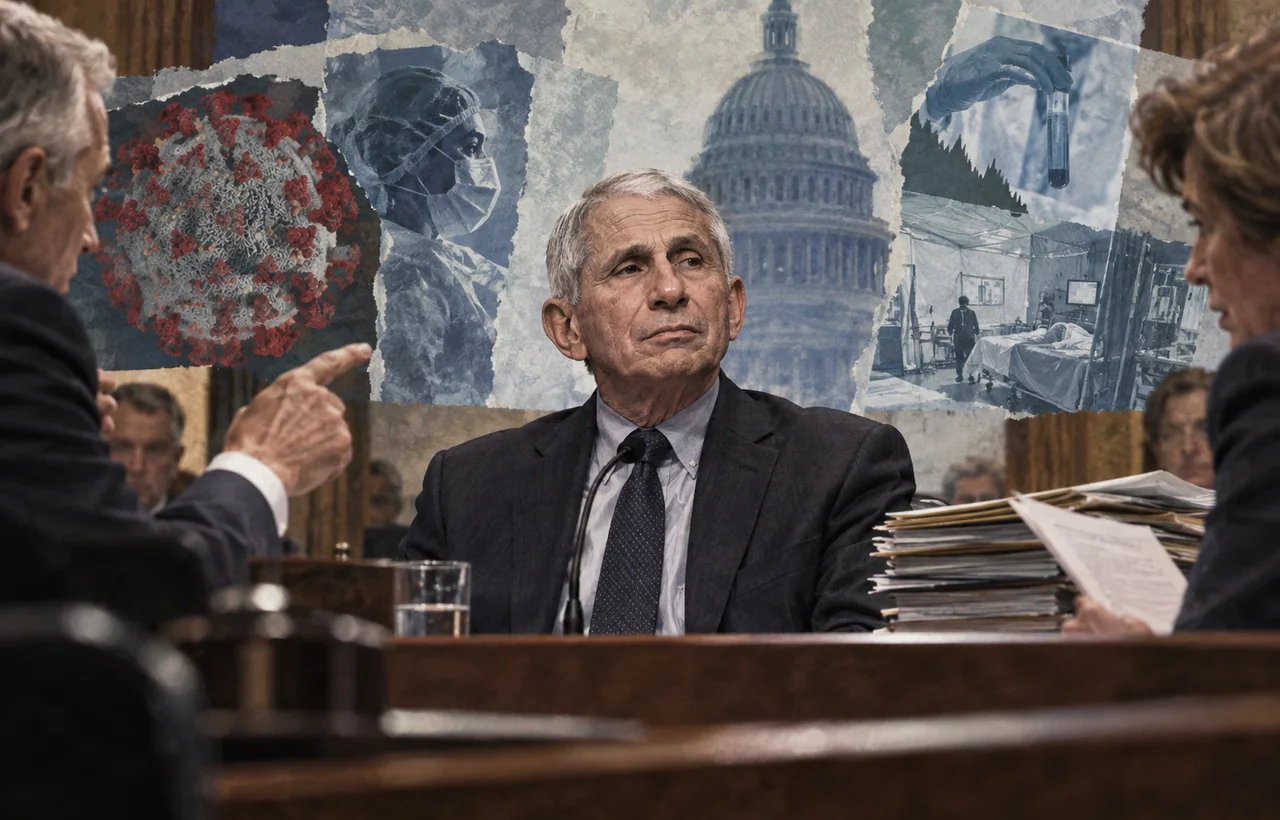
A Senate panel is moving toward a vote on whether to hold Dr. Anthony Fauci in contempt of Congress after the former federal health official refused to answer questions at a hearing on the government's COVID-19 response. The move has ratcheted up a long-running political fight over pandemic policies, scientific oversight and accountability for decisions made during the health crisis.
The effort is being spearheaded by Republican Sen. Rand Paul of Kentucky, who has repeatedly questioned Fauci on issues ranging from the origins of COVID-19, federal research funding and past testimony before Congress. Paul has said Fauci hasn't provided enough answers and has said the panel should move forward with a contempt referral.
Fauci invoked the Fifth Amendment more than 100 times during the hearing, citing concerns that answering questions could present potential legal risks. His decision has become the focus of the hearing and has created a new clash between congressional investigators and one of the most recognizable faces of the pandemic response.
Senate Panel Goes After Fauci After 5th Amendment Testimony
The controversy started in a hearing of the Senate Homeland Security and Governmental Affairs Committee where Fauci was questioned about his role in the federal response to COVID-19. Rather than answer many questions, Fauci repeatedly invoked the Fifth, saying he was told by his lawyers not to answer.
Republican lawmakers said Fauci's refusal to answer hampered Congress's ability to finish its investigation. Sen. Rand Paul said the committee should consider contempt proceedings because Fauci did not appear after being subpoenaed.
Fauci defended his decision, saying he had worked with Congress and the hearing appeared to be set up to create legal exposure, not gather information. He said Paul was not conducting an impartial investigation and was trying to prosecute him.
The hearing reignited the political battles that have raged since the onset of the pandemic. Fauci has faced criticism from Republicans for past comments about COVID-19 research, government transparency and pandemic policies. Democrats and many scientists have hurried to Mr. Fauci's defense, saying the inquiries are political and could threaten public health expertise.
The contempt vote is one of the most powerful weapons Congress has when witnesses won't cooperate with investigations. If approved, lawmakers could send the matter to possible prosecution, but legal experts say such cases often involve complicated constitutional and procedural questions.
Rand Paul Demands DOJ Referral as Political Fight Heats Up
Sen. Rand Paul says he expects the contempt resolution against Fauci to move forward and has called for a referral to the Department of Justice. Paul says congressional authority depends on witnesses responding to lawful requests for information.
The senator has been one of Fauci's biggest critics for years, frequently challenging his comments on pandemic policy and scientific research. Their disparities were on full display in past congressional hearings, especially over COVID-19 origins and government-funded research.
Republican lawmakers supporting the contempt effort say Fauci should be held accountable for decisions made during his tenure as director of the National Institute of Allergy and Infectious Diseases. They say the investigation is intended to look into whether government officials were open with Congress and the public.
Democrats and Dr. Fauci's defenders say the proceedings are politically motivated. They note that Fauci has already testified extensively over the years and that invoking constitutional protections is a legal right available to any witness concerned about incriminating himself.
The issue has also reignited questions about the effect of presidential pardons and whether they can be used to prevent a witness from invoking the Fifth Amendment. Legal experts have debated whether protections from past executive actions change the risks of congressional testimony.
The clash illustrates larger tensions between Congress and federal officials over investigative authority, especially where investigations involve politically sensitive issues like public health and national emergencies.
State Probes Ramp Up Pressure on Ex-Health Official
The Senate contempt effort comes as Fauci faces further scrutiny from Republican officials at the state level. Multiple state attorneys general have subpoenaed information related to COVID-19 guidance and federal pandemic decisions.
The inquiries are part of a broader effort by Republican officials to scrutinize the government's handling of the pandemic, including questions about public health guidance, research funding and communication with the public.
Backers of the probes say officials involved in pandemic decision-making should be held accountable and more transparency is warranted. They say congressional and state investigations are needed to understand how policies were developed and carried out.
Critics say more Fauci probes threaten to turn scientific policy debates into political battlegrounds. Some public health experts say such aggressive investigations could deter scientists from taking government jobs.
The controversy has also rekindled debate about the role of scientific experts in government decision-making. During the pandemic, Fauci emerged as one of the most prominent public health officials in American history, drawing both strong support and intense criticism.
The latest events show that the conflicts about COVID-19 policies are still politically important years after the emergency phase of the pandemic ended. Questions of accountability, transparency and government authority still shape political debate in Washington and across the country.
Fauci Controversy Mirrors Ongoing Split on Pandemic Response
The Senate's move to hold Fauci in contempt reflects wider political divisions that have endured since the COVID-19 pandemic. Some lawmakers say officials should be held responsible for their decisions, while others warn investigations are being used to re-litigate scientific debates through political channels.
And Fauci continues to be a key figure in these debates, given his role as a lead adviser during the pandemic. His supporters say he led the country through several public health crises, but critics say key questions about government decisions remain unanswered.
The contempt vote could be one of the biggest tests of Congress' enforcement powers. Subpoena battles can set the legislative power against the constitutional rights of individuals, and lawmakers often need the cooperation of witnesses.
The controversy has implications for future relations between government agencies, scientific experts and elected officials, far beyond Fauci himself. Public health leaders fear political battles could impact the ability to recruit and retain scientific professionals for government jobs.
The Senate panel's decision is likely to set a precedent for future congressional investigations involving government officials as the panel moves forward. The Fauci debate is not about one person, but about how the United States deals with accountability, expertise and transparency in a time of national crisis.
The controversy is likely to persist as lawmakers review decisions during the pandemic and decide whether to take further action against former federal health officials.