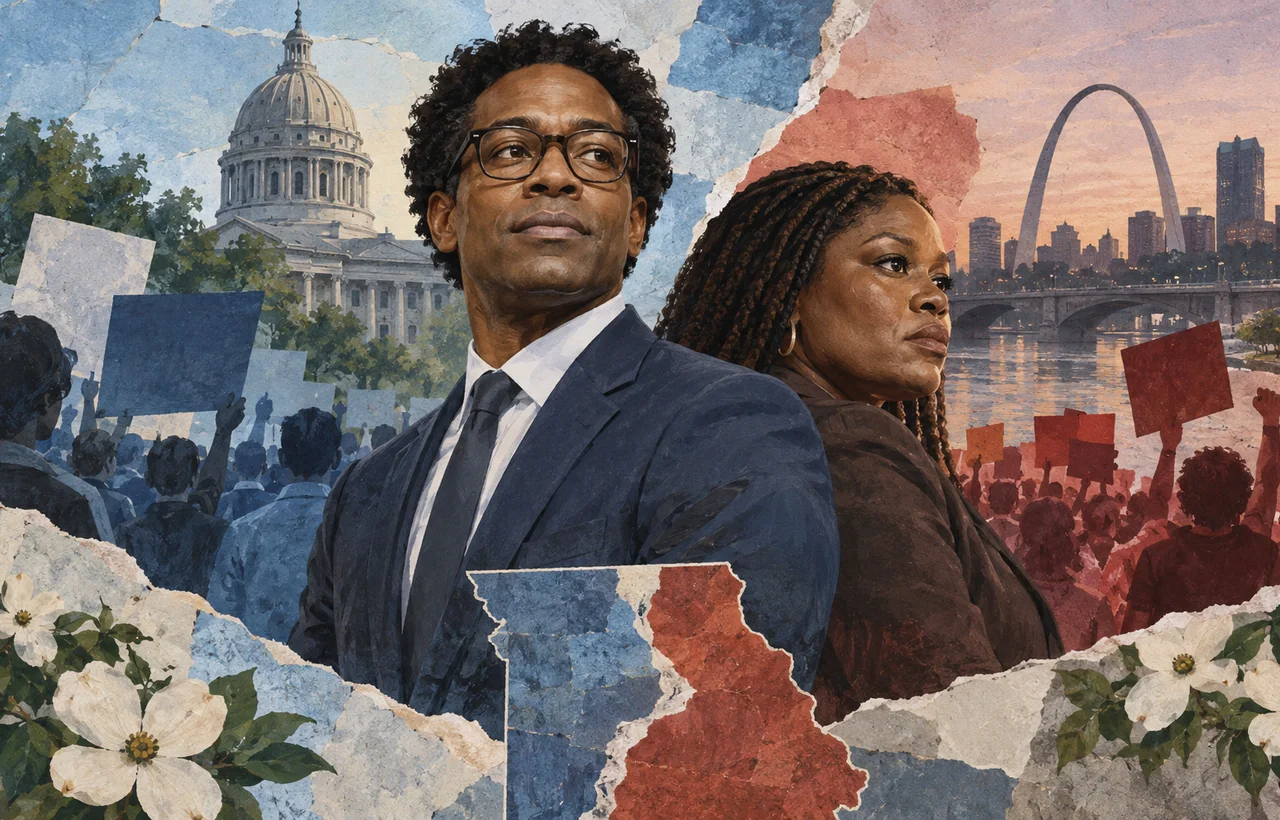
Rep. Wesley Bell defeated former Rep. Cori Bush in the Democratic primary for Missouri's 1st Congressional District in a high-profile rematch that revealed deep fissures in the Democratic Party over ideology, foreign policy and the party's future direction. Bush lost the same seat to Bell in the 2024 primary, but Bell's victory thwarted Bush's return to the House.
The St. Louis-area race became one of the most closely watched Democratic contests of the 2026 election cycle, a battle between the party's progressive and more moderate wings. Bush, a former member of the progressive 'Squad,' was attempting to make a political comeback by highlighting grassroots activism and attacking the mainstream Democratic leadership. Bell's campaign emphasized his legislative record and portrayed him as a practical representative of the district.
Bell's win continues a recent trend in competitive Democratic primaries in which establishment-backed candidates have toppled progressive incumbents or former lawmakers. The result is likely to fuel debate about the Democratic Party's electoral strategy as it looks to future elections.
Wesley Bell Wins Missouri Rematch in Primary Against Cori Bush
Wesley Bell defeated Cori Bush in the Democratic primary for Missouri's 1st Congressional District, ousting the former congresswoman in a rematch of their 2024 contest. Two years earlier, Bell had defeated Bush, and the 2026 race became a Bush bid to re-claim a seat she once held.
The primary was of national interest because the two candidates represented different visions for the Democratic Party. Bell, a former St. Louis County prosecutor, touted his legislative experience and said voters wanted effective representation focused on local priorities. Meanwhile, Bush ran on progressive issues such as economic inequality, social programs and opposition to what she called too much outside political influence.
This created a race in a heavily Democrat-leaning district, making the primary the de facto race for the seat. Missouri's 1st Congressional District, which encompasses St. Louis and surrounding communities, has historically been one of the state's most Democratic regions.
Bell's victory was fueled by heavy outside spending and support from groups aligned with the Democratic establishment. His campaign said he offered a route toward governing, and holding together a broad Democratic coalition.
Bush's loss is another setback for the progressive wing of the Democratic Party, which has floundered in a number of competitive primaries. Supporters said the campaign was a proxy for a bigger fight over whether Democrats should move further to the left on major policy issues.
Race Highlights Divisions Between Progressive, Moderate Democrats Are Growing
The contest in Missouri has become a national case study of the ideological tug-of-war inside the Democratic Party. Bell and Bush represented competing philosophies on everything from economic policy to international relations to the role of grass-roots movements in Democratic politics.
Bush's campaign centered on progressive priorities and her record as a vocal activist in Congress. 'Democratic voters want stronger positions on issues like health care, economic inequality and U.S. foreign policy,' she said. Supporters saw the race as part of a broader effort to increase the power of progressive voices in the party.
Bell, in contrast, campaigned as the champion of practical politics and winning elections. Citing his experience, he said Democrats need representatives who can appeal to the broad spectrum of voters and deliver for their communities.
Foreign policy, especially opinions on U.S. relations with Israel, was a major issue in the race. Bush attacked the policies of support for America. Bell took a position in support of a strong US-Israel relationship and also spoke to concerns about current leadership and policies.
The result showed that ideological fights in Democratic primaries still pack a punch. While progressive candidates have had some significant wins in some places, the Missouri result showed that moderate candidates can still win when they build strong coalitions and have major organizational support.
Outside Spending, National Spotlight Shape Missouri Race
There was a fair amount of outside interest in the Missouri primary, as national political groups got involved because of the larger implications of the race. Bell's supporters were helped by groups connected to the Democratic establishment, and Bush's campaign took aim at outside influence in the race.
The financial dynamics of the race mirrored a larger trend in modern congressional elections where outside groups often are a primary player in shaping competitive primaries. Political groups can spend money to advertise, get out the vote and make candidates better known, especially in contests that draw national attention.
Bell's supporters said outside help was key to getting his message to voters and defending his record. They portrayed him as a candidate that could carry the district and maintain the Democratic base.
But Bush and her allies have said that big outside spending can distort local elections and drown out the voices of grassroots voters. They challenged the role of political action committees, and said that voters should decide candidates on the basis of community priorities and not national political spending.
The contest was a microcosm of larger questions facing both major parties: How much national organizational muscle should be flexed in local races and whether candidates with clear ideological positions can compete against better-financed opponents.
The Missouri race will likely continue to be dissected as an example of the role of campaign resources, endorsements and ideological positioning in modern congressional primaries.
Bell Moves Toward General Election After Defining Democratic Win
Wesley Bell's big win probably means he's headed for the general election as the Democratic nominee for Missouri's 1st Congressional District. Bell is the front-runner to hold onto the seat in the next phase of the campaign, given the district's strong Democratic lean.
Now Bell's challenge will be to maintain the support of voters who backed other candidates in the primary after besting a Democratic rival. Political analysts say victorious candidates often have to bring their parties together after contentious primary battles, especially when national issues influence local races.
The result also raises questions about the future of progressive Democratic candidates. Bush's loss is one of the more recent primary defeats for progressive figures and raises questions about whether the party's base is moving toward more moderate candidates or whether the individual dynamics of the campaigns mattered more.
The victory enhances Bell's stature as a Democratic leader in Missouri politics. His campaign said voters were looking for stability, experience and a focus on governing, not ideological battles.
The Missouri primary offers another data point for the national Democratic Party in its ongoing debate over strategy for future elections. The contest showed that ideological divisions still matter, but it also showed that candidates with broader appeal and strong organizational support can win competitive primaries.