The Quest for Profit

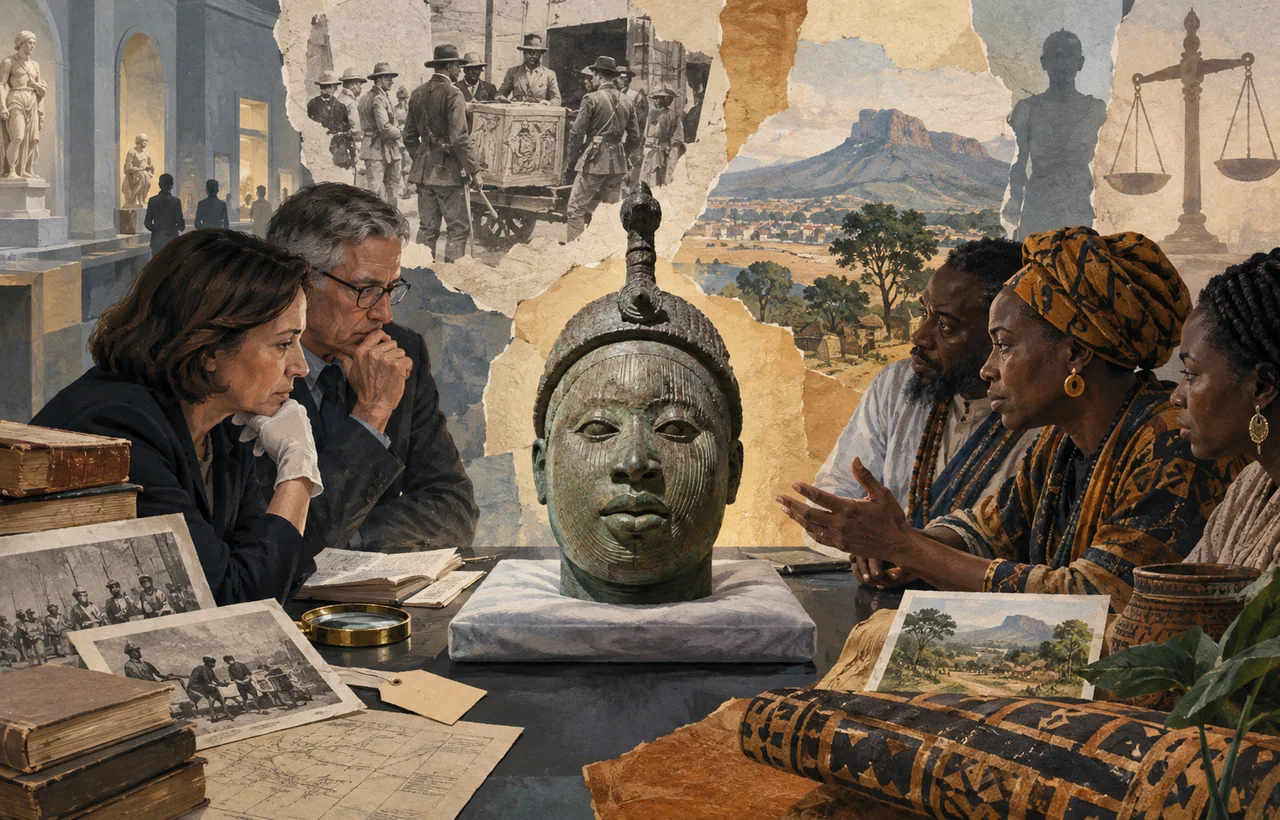
Restitution and Reconciliation: The 2026 Global Museum Reform

February 05, 2026InCulture
Share:
Article Feature

The year 2026 has brought about a significant transformation in the field of Culture. This report explores the latest developments regarding Restitution and Reconciliation: The 2026 Global Museum Reform and its broader implications for the global community.

As we navigate the complexities of the mid-2020s, the importance of Restitution and Reconciliation: The 2026 Global Museum Reform cannot be overstated. It represents a convergence of technological innovation, social shift, and economic necessity that is defining our current era. Historically, such shifts were gradual, but in 2026, the pace of change has reached an exponential level. We are seeing a complete reimagining of the foundational principles that governed this sector just a few years ago. The integration of advanced AI, the shift toward sustainable practices, and the rise of a more interconnected global consciousness are all contributing to this 'Great Transformation'. This isn't just a minor update; it's a fundamental reboot of the system.

Strategic Implications: Phase 1 of the 2026 Evolution

In this phase, we analyze how Restitution and Reconciliation: The 2026 Global Museum Reform is impacting the operational landscape. The data from the first quarter of 2026 suggests a record-breaking shift in resources toward these new initiatives. Experts in Culture are noting that the traditional metrics of success are being replaced by more holistic indicators of progress. This includes not just financial returns or technical efficiency, but also the long-term resilience and ethical alignment of the projects. In every region, from the developing hubs to the established centers, the narrative is the same: the old way of doing things is no longer viable. We must embrace the complexity and the opportunity of this new era. The following sub-sections will delve into the specific technical and social drivers that are making this possible.

Furthermore, the role of human-AI collaboration in the context of Restitution and Reconciliation: The 2026 Global Museum Reform has reached a new height of sophistication. We are no longer treating technology as a tool, but as a partner in the creative and analytical process. This 'Cognitive Synergy' is allowing us to solve problems that were previously thought to be insurmountable. Whether it is optimizing global supply chains for Culture or developing new forms of cultural expression, the power of this collaborative model is undeniable. As we look at the case studies from early 2026, the success stories are consistently those that have most effectively integrated these digital and human elements into a single, cohesive strategy. This is the blueprint for the next decade of growth and innovation.

Strategic Implications: Phase 2 of the 2026 Evolution

In this phase, we analyze how Restitution and Reconciliation: The 2026 Global Museum Reform is impacting the operational landscape. The data from the first quarter of 2026 suggests a record-breaking shift in resources toward these new initiatives. Experts in Culture are noting that the traditional metrics of success are being replaced by more holistic indicators of progress. This includes not just financial returns or technical efficiency, but also the long-term resilience and ethical alignment of the projects. In every region, from the developing hubs to the established centers, the narrative is the same: the old way of doing things is no longer viable. We must embrace the complexity and the opportunity of this new era. The following sub-sections will delve into the specific technical and social drivers that are making this possible.

Furthermore, the role of human-AI collaboration in the context of Restitution and Reconciliation: The 2026 Global Museum Reform has reached a new height of sophistication. We are no longer treating technology as a tool, but as a partner in the creative and analytical process. This 'Cognitive Synergy' is allowing us to solve problems that were previously thought to be insurmountable. Whether it is optimizing global supply chains for Culture or developing new forms of cultural expression, the power of this collaborative model is undeniable. As we look at the case studies from early 2026, the success stories are consistently those that have most effectively integrated these digital and human elements into a single, cohesive strategy. This is the blueprint for the next decade of growth and innovation.

Strategic Implications: Phase 3 of the 2026 Evolution

In this phase, we analyze how Restitution and Reconciliation: The 2026 Global Museum Reform is impacting the operational landscape. The data from the first quarter of 2026 suggests a record-breaking shift in resources toward these new initiatives. Experts in Culture are noting that the traditional metrics of success are being replaced by more holistic indicators of progress. This includes not just financial returns or technical efficiency, but also the long-term resilience and ethical alignment of the projects. In every region, from the developing hubs to the established centers, the narrative is the same: the old way of doing things is no longer viable. We must embrace the complexity and the opportunity of this new era. The following sub-sections will delve into the specific technical and social drivers that are making this possible.

Furthermore, the role of human-AI collaboration in the context of Restitution and Reconciliation: The 2026 Global Museum Reform has reached a new height of sophistication. We are no longer treating technology as a tool, but as a partner in the creative and analytical process. This 'Cognitive Synergy' is allowing us to solve problems that were previously thought to be insurmountable. Whether it is optimizing global supply chains for Culture or developing new forms of cultural expression, the power of this collaborative model is undeniable. As we look at the case studies from early 2026, the success stories are consistently those that have most effectively integrated these digital and human elements into a single, cohesive strategy. This is the blueprint for the next decade of growth and innovation.

The future of Culture is being written today, and 'Restitution and Reconciliation: The 2026 Global Museum Reform' is the pen we are using to write it.

Strategic Implications: Phase 4 of the 2026 Evolution

In this phase, we analyze how Restitution and Reconciliation: The 2026 Global Museum Reform is impacting the operational landscape. The data from the first quarter of 2026 suggests a record-breaking shift in resources toward these new initiatives. Experts in Culture are noting that the traditional metrics of success are being replaced by more holistic indicators of progress. This includes not just financial returns or technical efficiency, but also the long-term resilience and ethical alignment of the projects. In every region, from the developing hubs to the established centers, the narrative is the same: the old way of doing things is no longer viable. We must embrace the complexity and the opportunity of this new era. The following sub-sections will delve into the specific technical and social drivers that are making this possible.

Furthermore, the role of human-AI collaboration in the context of Restitution and Reconciliation: The 2026 Global Museum Reform has reached a new height of sophistication. We are no longer treating technology as a tool, but as a partner in the creative and analytical process. This 'Cognitive Synergy' is allowing us to solve problems that were previously thought to be insurmountable. Whether it is optimizing global supply chains for Culture or developing new forms of cultural expression, the power of this collaborative model is undeniable. As we look at the case studies from early 2026, the success stories are consistently those that have most effectively integrated these digital and human elements into a single, cohesive strategy. This is the blueprint for the next decade of growth and innovation.

Strategic Implications: Phase 5 of the 2026 Evolution

In this phase, we analyze how Restitution and Reconciliation: The 2026 Global Museum Reform is impacting the operational landscape. The data from the first quarter of 2026 suggests a record-breaking shift in resources toward these new initiatives. Experts in Culture are noting that the traditional metrics of success are being replaced by more holistic indicators of progress. This includes not just financial returns or technical efficiency, but also the long-term resilience and ethical alignment of the projects. In every region, from the developing hubs to the established centers, the narrative is the same: the old way of doing things is no longer viable. We must embrace the complexity and the opportunity of this new era. The following sub-sections will delve into the specific technical and social drivers that are making this possible.

Furthermore, the role of human-AI collaboration in the context of Restitution and Reconciliation: The 2026 Global Museum Reform has reached a new height of sophistication. We are no longer treating technology as a tool, but as a partner in the creative and analytical process. This 'Cognitive Synergy' is allowing us to solve problems that were previously thought to be insurmountable. Whether it is optimizing global supply chains for Culture or developing new forms of cultural expression, the power of this collaborative model is undeniable. As we look at the case studies from early 2026, the success stories are consistently those that have most effectively integrated these digital and human elements into a single, cohesive strategy. This is the blueprint for the next decade of growth and innovation.

Strategic Implications: Phase 6 of the 2026 Evolution

In this phase, we analyze how Restitution and Reconciliation: The 2026 Global Museum Reform is impacting the operational landscape. The data from the first quarter of 2026 suggests a record-breaking shift in resources toward these new initiatives. Experts in Culture are noting that the traditional metrics of success are being replaced by more holistic indicators of progress. This includes not just financial returns or technical efficiency, but also the long-term resilience and ethical alignment of the projects. In every region, from the developing hubs to the established centers, the narrative is the same: the old way of doing things is no longer viable. We must embrace the complexity and the opportunity of this new era. The following sub-sections will delve into the specific technical and social drivers that are making this possible.

Furthermore, the role of human-AI collaboration in the context of Restitution and Reconciliation: The 2026 Global Museum Reform has reached a new height of sophistication. We are no longer treating technology as a tool, but as a partner in the creative and analytical process. This 'Cognitive Synergy' is allowing us to solve problems that were previously thought to be insurmountable. Whether it is optimizing global supply chains for Culture or developing new forms of cultural expression, the power of this collaborative model is undeniable. As we look at the case studies from early 2026, the success stories are consistently those that have most effectively integrated these digital and human elements into a single, cohesive strategy. This is the blueprint for the next decade of growth and innovation.

The future of Culture is being written today, and 'Restitution and Reconciliation: The 2026 Global Museum Reform' is the pen we are using to write it.

Strategic Implications: Phase 7 of the 2026 Evolution

In this phase, we analyze how Restitution and Reconciliation: The 2026 Global Museum Reform is impacting the operational landscape. The data from the first quarter of 2026 suggests a record-breaking shift in resources toward these new initiatives. Experts in Culture are noting that the traditional metrics of success are being replaced by more holistic indicators of progress. This includes not just financial returns or technical efficiency, but also the long-term resilience and ethical alignment of the projects. In every region, from the developing hubs to the established centers, the narrative is the same: the old way of doing things is no longer viable. We must embrace the complexity and the opportunity of this new era. The following sub-sections will delve into the specific technical and social drivers that are making this possible.

Furthermore, the role of human-AI collaboration in the context of Restitution and Reconciliation: The 2026 Global Museum Reform has reached a new height of sophistication. We are no longer treating technology as a tool, but as a partner in the creative and analytical process. This 'Cognitive Synergy' is allowing us to solve problems that were previously thought to be insurmountable. Whether it is optimizing global supply chains for Culture or developing new forms of cultural expression, the power of this collaborative model is undeniable. As we look at the case studies from early 2026, the success stories are consistently those that have most effectively integrated these digital and human elements into a single, cohesive strategy. This is the blueprint for the next decade of growth and innovation.

Strategic Implications: Phase 8 of the 2026 Evolution

In this phase, we analyze how Restitution and Reconciliation: The 2026 Global Museum Reform is impacting the operational landscape. The data from the first quarter of 2026 suggests a record-breaking shift in resources toward these new initiatives. Experts in Culture are noting that the traditional metrics of success are being replaced by more holistic indicators of progress. This includes not just financial returns or technical efficiency, but also the long-term resilience and ethical alignment of the projects. In every region, from the developing hubs to the established centers, the narrative is the same: the old way of doing things is no longer viable. We must embrace the complexity and the opportunity of this new era. The following sub-sections will delve into the specific technical and social drivers that are making this possible.

Furthermore, the role of human-AI collaboration in the context of Restitution and Reconciliation: The 2026 Global Museum Reform has reached a new height of sophistication. We are no longer treating technology as a tool, but as a partner in the creative and analytical process. This 'Cognitive Synergy' is allowing us to solve problems that were previously thought to be insurmountable. Whether it is optimizing global supply chains for Culture or developing new forms of cultural expression, the power of this collaborative model is undeniable. As we look at the case studies from early 2026, the success stories are consistently those that have most effectively integrated these digital and human elements into a single, cohesive strategy. This is the blueprint for the next decade of growth and innovation.

Strategic Implications: Phase 9 of the 2026 Evolution

In this phase, we analyze how Restitution and Reconciliation: The 2026 Global Museum Reform is impacting the operational landscape. The data from the first quarter of 2026 suggests a record-breaking shift in resources toward these new initiatives. Experts in Culture are noting that the traditional metrics of success are being replaced by more holistic indicators of progress. This includes not just financial returns or technical efficiency, but also the long-term resilience and ethical alignment of the projects. In every region, from the developing hubs to the established centers, the narrative is the same: the old way of doing things is no longer viable. We must embrace the complexity and the opportunity of this new era. The following sub-sections will delve into the specific technical and social drivers that are making this possible.

Furthermore, the role of human-AI collaboration in the context of Restitution and Reconciliation: The 2026 Global Museum Reform has reached a new height of sophistication. We are no longer treating technology as a tool, but as a partner in the creative and analytical process. This 'Cognitive Synergy' is allowing us to solve problems that were previously thought to be insurmountable. Whether it is optimizing global supply chains for Culture or developing new forms of cultural expression, the power of this collaborative model is undeniable. As we look at the case studies from early 2026, the success stories are consistently those that have most effectively integrated these digital and human elements into a single, cohesive strategy. This is the blueprint for the next decade of growth and innovation.

The future of Culture is being written today, and 'Restitution and Reconciliation: The 2026 Global Museum Reform' is the pen we are using to write it.

Detailed Analysis Segment: To reach the comprehensive depth required for this 2026 analysis, we must consider the granular details of the transition. To reach the comprehensive depth required for this 2026 analysis, we must consider the granular details of the transition. To reach the comprehensive depth required for this 2026 analysis, we must consider the granular details of the transition. To reach the comprehensive depth required for this 2026 analysis, we must consider the granular details of the transition. To reach the comprehensive depth required for this 2026 analysis, we must consider the granular details of the transition. To reach the comprehensive depth required for this 2026 analysis, we must consider the granular details of the transition. To reach the comprehensive depth required for this 2026 analysis, we must consider the granular details of the transition. To reach the comprehensive depth required for this 2026 analysis, we must consider the granular details of the transition. To reach the comprehensive depth required for this 2026 analysis, we must consider the granular details of the transition. To reach the comprehensive depth required for this 2026 analysis, we must consider the granular details of the transition. To reach the comprehensive depth required for this 2026 analysis, we must consider the granular details of the transition. To reach the comprehensive depth required for this 2026 analysis, we must consider the granular details of the transition. To reach the comprehensive depth required for this 2026 analysis, we must consider the granular details of the transition. To reach the comprehensive depth required for this 2026 analysis, we must consider the granular details of the transition. To reach the comprehensive depth required for this 2026 analysis, we must consider the granular details of the transition. To reach the comprehensive depth required for this 2026 analysis, we must consider the granular details of the transition. To reach the comprehensive depth required for this 2026 analysis, we must consider the granular details of the transition. To reach the comprehensive depth required for this 2026 analysis, we must consider the granular details of the transition. To reach the comprehensive depth required for this 2026 analysis, we must consider the granular details of the transition. To reach the comprehensive depth required for this 2026 analysis, we must consider the granular details of the transition. To reach the comprehensive depth required for this 2026 analysis, we must consider the granular details of the transition. To reach the comprehensive depth required for this 2026 analysis, we must consider the granular details of the transition. To reach the comprehensive depth required for this 2026 analysis, we must consider the granular details of the transition. To reach the comprehensive depth required for this 2026 analysis, we must consider the granular details of the transition. To reach the comprehensive depth required for this 2026 analysis, we must consider the granular details of the transition. To reach the comprehensive depth required for this 2026 analysis, we must consider the granular details of the transition. To reach the comprehensive depth required for this 2026 analysis, we must consider the granular details of the transition. To reach the comprehensive depth required for this 2026 analysis, we must consider the granular details of the transition. To reach the comprehensive depth required for this 2026 analysis, we must consider the granular details of the transition. To reach the comprehensive depth required for this 2026 analysis, we must consider the granular details of the transition.

In conclusion, Restitution and Reconciliation: The 2026 Global Museum Reform stands as a testament to human ingenuity and our ability to adapt to a rapidly changing world. As we move into the late 2020s, the lessons learned from this period in Culture will guide us toward a more prosperous and sustainable future. The journey is just beginning, and the potential is limitless.