Federal Reserve Signals Slower Rate Cuts for 2026
The financial world held its collective breath this morning as the Federal Reserve Chair delivered a landmark speech at the Economic Club of New York, signaling a pivot toward a 'higher-for-longer' interest rate environment.
For the past six months, market participants had been aggressively pricing in a rapid series of rate cuts beginning in early 2026. The logic seemed sound: inflation had cooled significantly from its peak, and signs of economic softening were appearing in the manufacturing data. However, the Fed's stance today was a sharp corrective to those expectations. Citing 'stubbornly resilient' service sector inflation and a surprisingly robust labor market, the Chair emphasized that the job is far from done. The central bank is not ready to declare victory, and the priority remains price stability, even at the cost of slower growth.
The Battle Against Sticky Inflation
The core of the issue lies in what economists call 'sticky' inflation. While the price of goods like used cars and electronics has plummeted, the cost of services—rent, healthcare, and education—remains stubbornly high. These costs are closely tied to wages, and as long as the labor market remains tight, upward pressure on service prices persists. 'We are seeing a structural shift in the Phillips Curve,' noted one economist in the audience. 'The old relationships between unemployment and inflation are being stressed by demographic shifts and automation.'
This means that the 'neutral rate'—the interest rate that neither stimulates nor restricts the economy—may be higher than previously thought. If the Fed keeps rates too high for too long, they risk triggering a deep recession. If they cut too early, they risk a secondary surge in inflation, reminiscent of the 1970s. It is the ultimate central banking tightrope walk, and today's speech suggests they are leaning toward the side of caution.
In the quest for profit, the most valuable asset is clarity from the central bank. Today, we got it, even if it wasn't what we wanted to hear.
Market Reaction and Portfolio Realignment
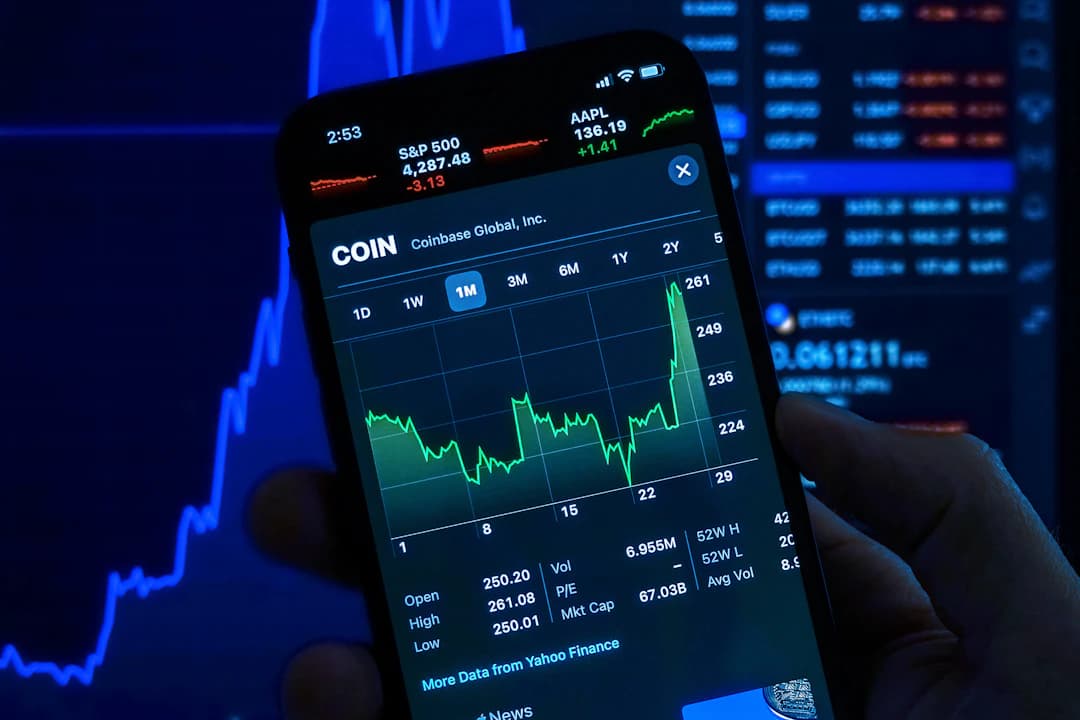
The reaction in the bond market was swift and brutal. The yield on the 10-year Treasury jumped 15 basis points as traders adjusted to the new reality. Equity markets, particularly rate-sensitive tech stocks, saw a wave of selling. For investors, this marks the end of the 'easy money' anticipation phase. We are moving into an environment where 'cash is oxygen' once again. High-yielding money market funds and short-term Treasuries are looking increasingly attractive, while growth-at-any-price startups face another year of high funding costs.
Institutional investors are rebalancing their portfolios toward 'quality.' This means companies with strong cash flows, low debt-to-equity ratios, and the ability to pass on costs to consumers. Sector-wise, defensive plays like healthcare and consumer staples are seeing inflows, while real estate and utilities are facing headwinds. The strategy for 2026 is no longer about finding the next big thing, but about protecting capital in a world of high real returns.
Global Implications
The Fed's decision doesn't just impact the US; it sets the tempo for the world. A higher-for-longer dollar puts immense pressure on emerging markets that hold debt in USD. We are already seeing central banks in Tokyo and London expressing concern about currency volatility. If the dollar continues to strengthen, it could export inflation to other nations, forcing them to hike rates even as their domestic economies weaken. It is a 'Triffin Dilemma' for the modern age: the Fed's domestic mandate is at odds with its role as the de facto global central bank.