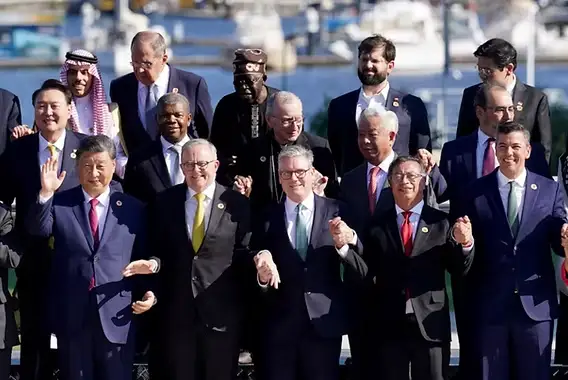
World leaders gathered today to discuss the pressing issue of rising global inflation. The summit focused on collaborative strategies to stabilize currencies and protect consumer purchasing power.
The atmosphere in the grand hall was tense yet determined as delegates from over forty nations took their seats. The primary agenda: a unified response to the inflationary pressures that have been squeezing economies worldwide. 'We cannot act in isolation,' stated the keynote speaker, highlighting the interconnectedness of modern markets. The ripple effects of supply chain disruptions, energy crises, and monetary policies in one region are felt almost instantaneously in another.
A Unified Approach
One of the key proposals on the table is a coordinated adjustment of interest rates. While central banks have traditionally operated with a high degree of independence, the current crisis calls for a level of synchronization rarely seen since the 2008 financial crisis. Critics argue that a one-size-fits-all approach inevitably leaves smaller economies vulnerable, but proponents insist that without a collective shield, the most fragile markets will collapse under the weight of debt and devalued currency.
The debate continued late into the night, with working groups formed to tackle specific sectors such as energy and food security. The cost of living crisis is not just a statistical anomaly; it is a reality for millions of families. Delegates shared harrowing stories from their constituencies, bringing a human element to the dry economic data. The consensus is clear: something must be done, and it must be done now.
Inflation is the thief that steals in the night, taking the value of labor and the promise of the future.
Historical Context
To understand the gravity of the current situation, one must look at historical precedents. The stagflation of the 1970s serves as a grim warning of what can happen when policy fails to adapt to changing realities. However, today's economy is far more digital and fluid. This presents both new risks and new tools for management. Digital currencies, real-time data analytics, and algorithmic trading were not factors fifty years ago.
Economists at the summit presented models showing various trajectories. The optimistic scenario sees a 'soft landing' where inflation cools without triggering a deep recession. The pessimistic model warns of a prolonged period of stagnation. The difference between these outcomes lies in the decisions made in rooms like this one over the coming days.
The Role of Technology
Technology is playing a dual role in this crisis. On one hand, the semiconductor shortage has been a major driver of price increases in the tech and automotive sectors. On the other, technological innovation offers the best hope for long-term deflationary pressure. Automation, AI-driven logistics, and renewable energy advancements could lower costs significantly in the decade ahead. The challenge is bridging the gap between today's pain and tomorrow's promise.
Investment in green energy was a contentious topic. Developing nations argued that the transition to renewables is expensive and inflationary in the short term, demanding subsidies from wealthier nations. 'We cannot choose between saving the planet and feeding our people,' argued one representative. The final communiqué is expected to address this balance, pledging funds for sustainable development that does not break the bank.
Looking Ahead
As the summit concludes, the eyes of the world remain fixed on the podium. The announcements made here will influence stock markets, mortgage rates, and the price of bread in corner stores from London to Lagos. There is no silver bullet for inflation, but a dedicated, cooperative effort is the best weapon we have. The road ahead is rocky, but the map is being drawn. Leaders are aware that their political survival, as much as their economic health, depends on getting this right.
The coming months will be a test of resolve. Will the agreements hold when domestic pressures mount? Will the global community stay united if one region recovers faster than another? These are the questions that linger in the corridors of power. But for now, the message is one of solidarity. We are in this together, and we will solve it together.

Sarah Jenkins
Sarah Jenkins has covered global politics for over a decade, specializing in economic policy and international summits.
Related Post

The 2026 Midterm Shift: A Deep Dive into the Battle for the House

Global AI Governance: The Landmark Geneva Treaty of 2026
The UN Leadership Transition: Predicting the Next Secretary-General
Trump Warns Iran on Nuclear Weapons as U.S. Builds Military Presence Ahead of Talks
RECENT POST
- »Emerging Markets 2026: The Rise of the 'Digital Tiger' Economies
- »Family Offices in 2026: Shifting from Preservation to Planetary Impact
- »The 2026 Midterm Shift: A Deep Dive into the Battle for the House
- »Trump’s 15% Tariff Shock Sends U.S. Stock Futures Lower, Fuels Inflation Fears
- »Alzheimer’s Prediction Tool: Blood Test Estimates Symptom Onset Within 3–4 Years