Merger Mania Hits the Industrial Sector
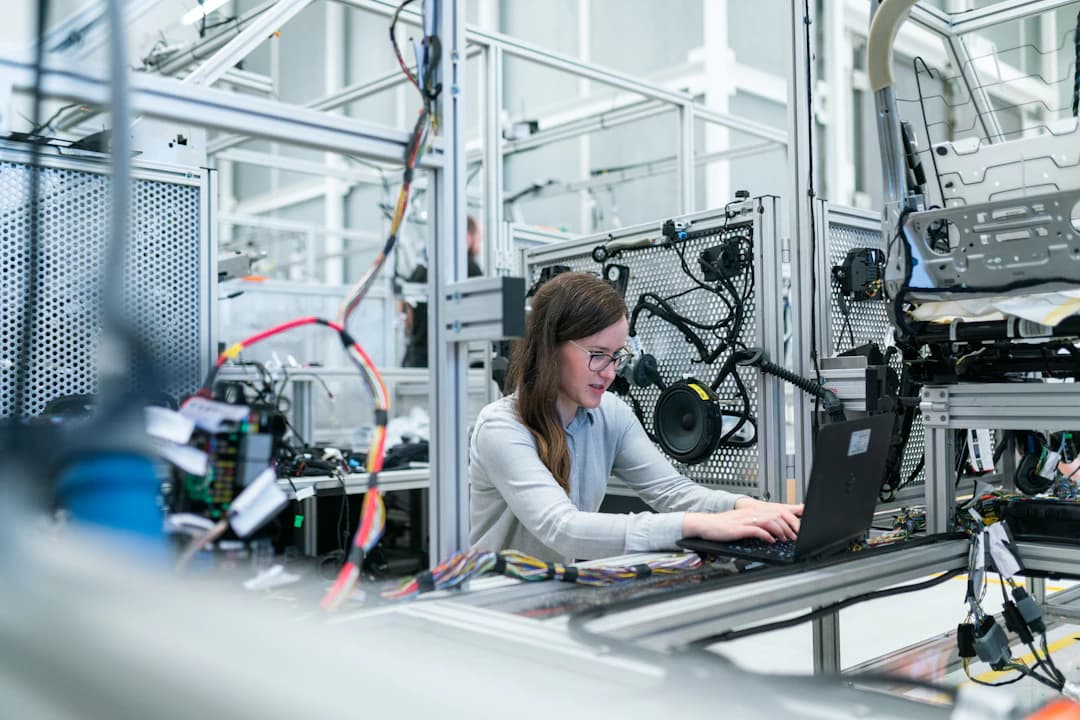
The industrial sector is witnessing an unprecedented wave of consolidation, as giants look to scale up in the face of shifting global supply chains and technological disruption.
For years, the industrial manufacturing landscape remained relatively stable, characterized by established players and incremental improvements. However, the last eighteen months have shattered that calm. A flurry of multi-billion dollar deals has swept through the sector, from heavy machinery to specialized electronic components. This 'Merger Mania' is driven not just by a desire for market share, but by a fundamental need to integrate new technologies like automation and AI into old-school production lines.
The Drive for Efficiency
Consolidation allows companies to pool their research and development resources. In a world where 'Smart Factories' are becoming the industry standard, the cost of entry is rising. Smaller firms often lack the capital to overhaul their facilities with the latest IoT sensors and robotic assembly systems. By merging with larger entities, they gain access to the investment needed to survive. Conversely, the bigger players are acquiring smaller, more agile innovators to bypass years of internal development.
The financial markets have reacted with cautious optimism. While M&A activity typically carries high execution risk, the synergies being projected in these recent deals are substantial. We are seeing a shift from 'growth at any cost' to 'disciplined integration.' The focus is on operational efficiency—slashing redundant overhead and optimizing logistics networks that have been strained by recent geopolitical tensions.
In the new industrial age, scale is the only shield against volatility.
Regulatory Hurdles
However, this concentration of power has caught the eye of antitrust regulators. In both the US and the EU, oversight bodies are scrutinizing these deals with increased intensity. There are concerns that excessive consolidation could lead to price-gouging and a stifling of future innovation. Several high-profile mergers have already been delayed or restructured to satisfy government demands for divestitures. Execs are now spending as much time with lawyers as they are with engineers.
Despite these obstacles, the trend shows no signs of slowing. As long as interest rates remain relatively stable and the pressure to modernize persists, the 'Quest for Profit' through consolidation will continue to reshape the industrial map. For the workforce, this means a shift in required skills; the factory worker of the future must be as comfortable with a tablet as they are with a wrench.

Related Post

Is the Startup Funding Winter Finally Thawing?

The Great Remote Work Productivity Debate Intensifies

Retail Giants Pivot to Advanced Omnichannel Strategies