
Major retailers are investing billions into AI-powered logistics to bridge the gap between their physical stores and online platforms, creating a seamless 'omnichannel' experience.
The retail world is no longer divided between 'brick-and-mortar' and 'e-commerce.' Today's consumer expects to browse on their phone, try on in a store, and have the item shipped to their home—or vice versa. This complexity is a logistical nightmare for traditional retailers. To compete with digital natives like Amazon, legacy brands are turning their physical stores into micro-fulfillment centers. Every store is now a warehouse, and every employee is a logistics technician.
The Power of Data
At the heart of this pivot is AI. By using predictive analytics, retailers can anticipate demand at a granular, local level. This allows them to position stock where it's most likely to be needed, reducing shipping times and costs. 'Data is our most valuable inventory,' said the CTO of a major department store. 'If we know what a customer wants before they do, we win.'
The customer experience is also being transformed. Augmented Reality (AR) mirrors in dressing rooms, personalized push notifications based on in-store location, and frictionless checkout systems are all becoming standard. The goal is to make the physical store as data-rich and efficient as a website, while retaining the tactile advantage of a real-world space.
Retail isn't dying; it's evolving into a high-tech service industry.
Social Commerce
The next frontier is social commerce—integrating the shopping experience directly into social media feeds. This removes the 'friction' of leaving an app to make a purchase. Retailers are building direct-to-consumer pipelines that bypass traditional advertising, relying on influencers and viral content to drive immediate sales. The lines between entertainment, social interaction, and commerce are blurring completely.

Michael Chen
Michael tracks the evolution of commerce and consumer behavior.
Related Post

Trump’s 15% Tariff Shock Sends U.S. Stock Futures Lower, Fuels Inflation Fears

AI-Augmented Innovation: How Corporations are Rewriting the R&D Playbook

The Circular Economy Mandate: Retail's 2026 Sustainability Pivot
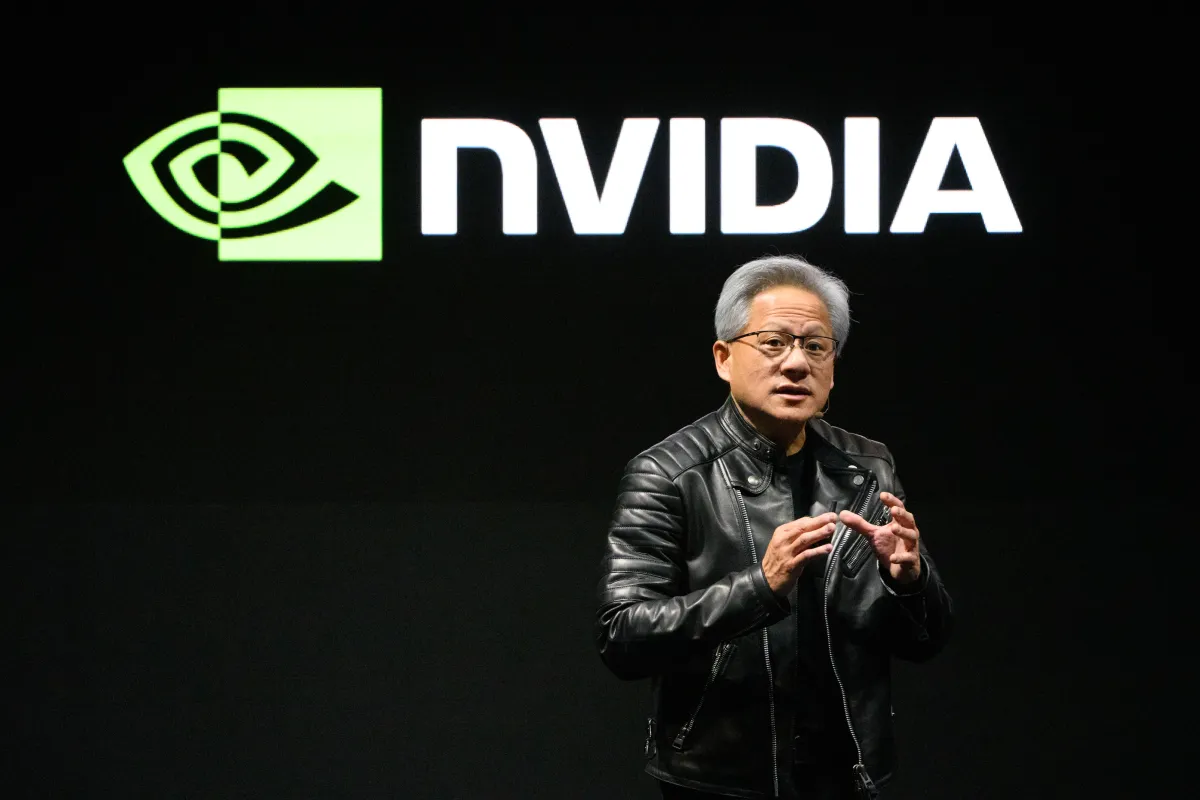
Nvidia CEO Jensen Huang Says Markets Are Wrong About AI Threat to Software Companies
RECENT POST
- »Emerging Markets 2026: The Rise of the 'Digital Tiger' Economies
- »Family Offices in 2026: Shifting from Preservation to Planetary Impact
- »The 2026 Midterm Shift: A Deep Dive into the Battle for the House
- »Trump’s 15% Tariff Shock Sends U.S. Stock Futures Lower, Fuels Inflation Fears
- »Alzheimer’s Prediction Tool: Blood Test Estimates Symptom Onset Within 3–4 Years