Cultural traditions survive because people keep using them, arguing about them and adapting them. A song, craft or visual language can change in form while still carrying memory, identity and social meaning.
Tradition is a living practice
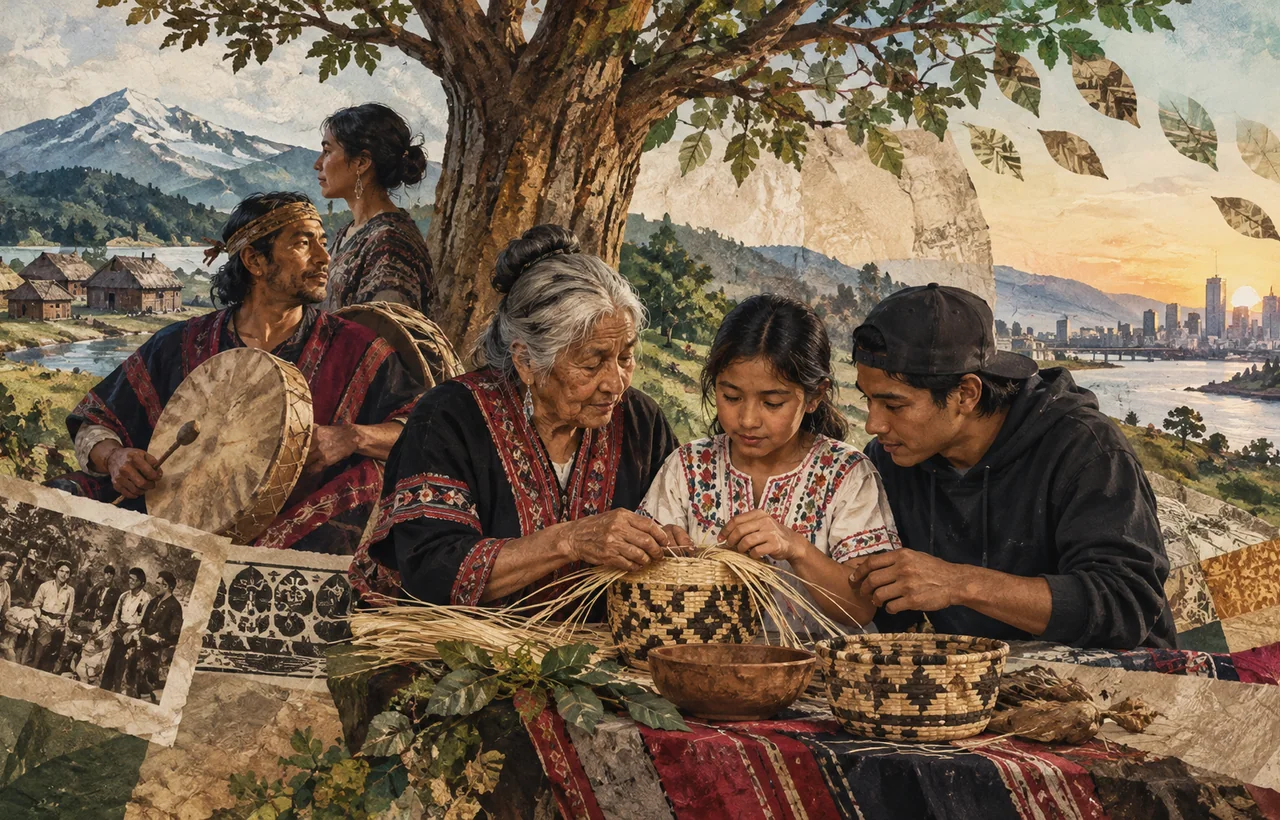
Museums and archives can preserve objects and recordings, but culture also depends on skills passed between people. A weaving technique, festival or oral history remains alive when a community has the time, space and resources to practise it.
Change does not automatically make a tradition less authentic. Materials, audiences and technology have always influenced cultural expression. The better question is whether practitioners understand the lineage of the work and can choose how it develops.
Power shapes what gets called authentic
Institutions, collectors and tourism markets often reward a narrow version of a culture because it is easy to display or sell. That can push practitioners to repeat familiar motifs while less visible knowledge disappears.
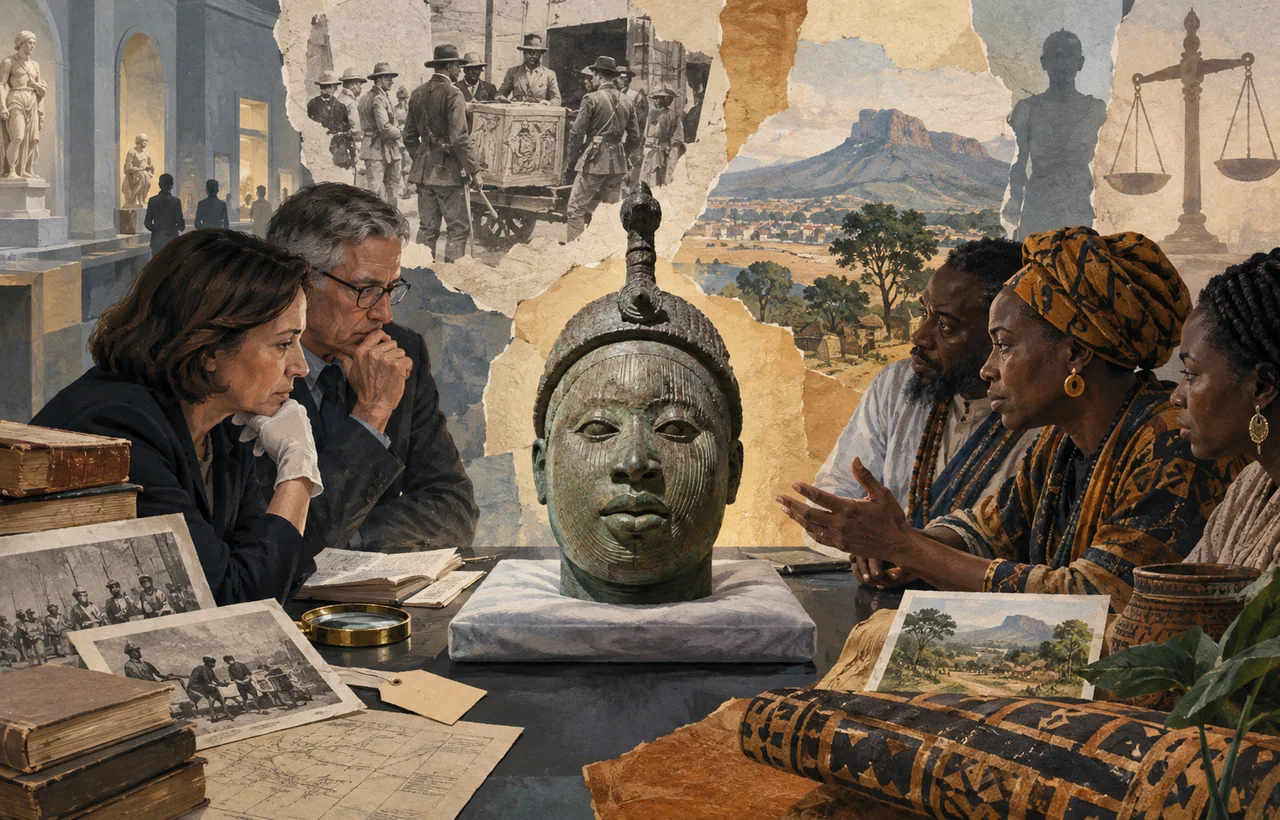
A responsible account names who is speaking, who benefits and whether the originating community has control over attribution, access and commercial use. Admiration is not a substitute for consent.
How to evaluate a preservation claim
Look for evidence of long-term teaching, fair payment, language continuity, community governance and access for younger practitioners. A one-off exhibition may raise awareness, but it does not by itself sustain a practice.
The goal is not to protect culture from every influence. It is to preserve the knowledge and agency that allow people to decide what should remain, what can change and how their work is represented.