Global Markets Recover Slightly as Oil Prices Ease but Tariff and AI Concerns Keep Investors Cautious
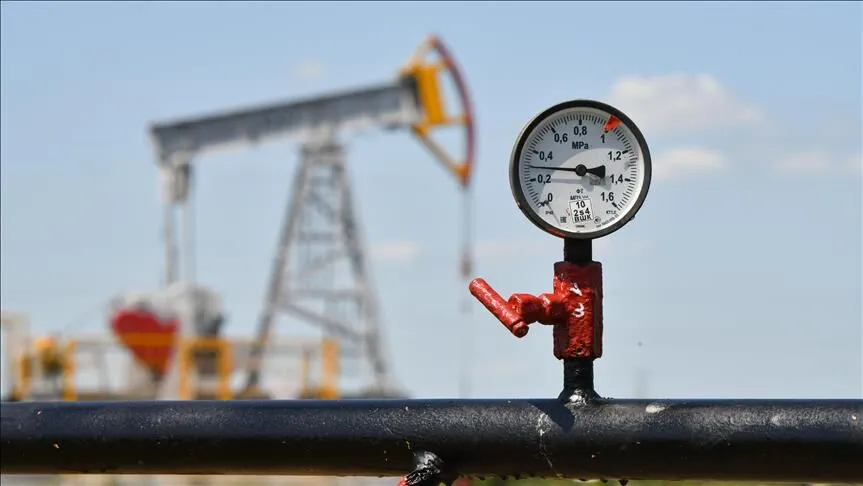
Oil prices have risen, tariff concerns have resurfaced and uncertainty grows over investments in artificial intelligence, which has struggled to find its feet, sparking a sharp sell-off in global financial markets. Investors wondered if the recent market pullback was a correction, or a shift in expectations about inflation, corporate earnings and global economic growth.
There were many reasons for the last downturn and the jitters among investors. Oil prices rose above key levels on Monday as rising geopolitical risks stoked concerns that higher energy costs would weigh on economic growth and make it harder for central banks to tame inflation. Meanwhile, investors have been re-rating tech amid concerns around the cost of big spending on AI infrastructure.
Oil prices declined on Friday as investors considered whether the recent rally had gone too far. Oil futures fell, offering a glimmer of hope for investors worried about more inflationary shocks, though markets remain on edge over global energy supplies and geopolitical developments.
In the wider market, investors were weighing the tug of war between optimism for longer-term growth in technology and fears of near-term economic headwinds. Trade uncertainty, volatility in the commodity markets, and questions surrounding the return on investment from AI have all made 2026 one of the most uncertain periods for global markets.
1Oil Prices Slip as Rally Fans Inflation Fears
Oil markets have been one of the big drivers of volatility in financial markets of late with a rally in crude prices having seen Brent crude briefly break the $100 a barrel mark. The surge has heightened fears that higher energy prices could spread through the global economy by raising costs for transport, manufacturing and consumers.
Geopolitical events and fears that global shipping lanes would be disrupted rattled energy markets. Global oil supplies are likely to tighten and prices remain firm as investors fret over supply risks and any long-lasting disruption.
Some of those gains were clipped later as traders booked profits in oil futures and reconsidered whether the recent rally had gone too far. Analysts said the slide could be a technical correction, rather than a full reversal of the wider risks to energy markets.
For investors, oil prices matter because energy prices are a big input into inflation expectations. Higher oil prices are often followed by a period of tighter monetary policy from the central banks and that can be a drag on economic growth and equity valuations.
Other central banks around the world, like the Federal Reserve, watch energy markets closely. The effect of inflation driven by oil could be a concern for future interest rate decisions. Extended high energy prices could delay rate cuts and increase borrowing costs for firms and households.
But prices are down and investors are nervous with geopolitical uncertainties still around and the threat of further disruptions looming over the industry.
2Investors Doubt Tech Boom as AI Stocks Take a Hit
Shares of AI companies kept falling as investors wondered whether the overspending that is driving the AI boom will translate into financial returns. Tech firms have poured hundreds of billions of dollars into data centers, fancy chips and AI infrastructure and there is concern valuations may have outpaced real earnings growth.
But many large technology and semiconductor companies have been swept up in the recent selloff even as they have been beneficiaries of investor enthusiasm for AI. Chipmakers and cloud and AI services providers were in focus, with markets looking for more convincing proof of the ability to turn investments into earnings over the longer term.
Investors are looking at AI as a long-term tech trend, but they’re getting more selective about which companies can turn AI into a money-making business. Companies with good revenue growth, profitable applications and clear commercial strategies will likely get more support. Companies that are more reliant on future expectations may be under more pressure.
It’s a manifestation of the shift from AI hype to financial performance and market reaction. In the early days of the AI boom, investors placed big bets on companies that were themselves placing big bets on the technology. Markets are increasingly questioning whether these investments will generate meaningful returns.
That change in investor sentiment has created a little bit of volatility in the tech markets and has weighed a little bit on the overall market.
3Trump Tariff Adds to Uncertainty for Global Firms
Another major concern for investors was trade policy, with the new tariff measures adding to the uncertainty facing global business. Markets declined on fears that the tariffs could increase costs, disrupt supply chains and cut international trade.
Tariffs have been of special concern to export-oriented economies and multinational corporations reliant on intricate global production networks. Higher import prices could squeeze corporate profits or be passed along to consumers.
Investors are also looking at how companies are reacting to the changing trade landscape. Firms will try to shift their supply chains, move factories or renegotiate supplier contracts to reduce their tariff exposure. But that takes time and it is a big outlay.
“Trade policy uncertainty has made it difficult to foresee future earnings,” companies say. This causes problems for companies that depend on international markets, since the rules about tariffs and international relations are unpredictable, making it difficult for companies to plan their investments.
The impact of the tariffs, analysts said, depends on how long the tariffs are in place and whether the targeted countries retaliate with trade restrictions. Trade frictions that persist could weigh on global growth and business confidence.
4Shipping Risks and Global Supply Chains Remain Key Market Concerns
Investors also are watching tariffs, risks to global shipping networks and oil prices. Disruptions to key trade routes can push back shipments and increase transport costs, compounding the pressure on firms already dealing with rising costs.
The flow of raw materials, components and finished goods across international markets is a key feature of many sectors and the world economy. A disruption impacts manufacturers, retailers and consumers very quickly.
The recent increase in energy prices has brought attention to the relationship between commodity markets and global trade. Higher shipping costs could also be a potential source of inflation, which could translate into higher fuel prices.
After the upheaval of the last few years, companies have been trying to build more resilient supply chains. Companies have diversified supply chains, built inventories and shifted some production closer to key markets.
But global supply chains remain vulnerable to geopolitical events, trade disputes and energy market shocks. Investors are still trying to read how well companies are set-up to handle future shocks.
5Investors Eye Earnings, Inflation and Central Bank Moves
Markets are moving and investors are focused on corporate earnings, inflation data and central bank policy decisions. These are the things that will determine whether the recent volatility will subside or turn into a long period of uncertainty in the markets.
The big question for investors is whether the current pressures are a blip or a sign of more serious economic trouble. Markets could bounce back from recent losses if oil prices remain low and tariff fears diminish. But geopolitical tensions or inflation could weigh on stocks. Tech firms will continue to attract investors, with AI spending delivering real financial returns.
Big tech can lift sentiment with strong numbers and lift valuation worries with weak results. Central banks are on a tightrope. They must weigh the risk of inflation against the risk of slowing the economy too much. And the problem could worsen if trade disruption and energy prices remain high. The market is split between fears of economic uncertainty and hopes of innovation. Investors are bracing for more volatility, watching oil prices, trade policy and corporate earnings.
Recent market turmoil is a reminder of how fast global financial conditions can change when a range of risks crystallise at the same time. Oil prices are starting to settle but markets powering second half of 2026 are uncertain on tariffs, AI investment and inflation.

Sarah Wu
Sarah Wu reports on global finance, capital markets, and international economic trends.
Related Post

US Dollar Struggles Despite Rising Fed Rate Hike Bets as Yen and Euro Gain

Netherlands Moves 86 Tonnes of Gold to London Amid Rising Geopolitical Risks

Bitcoin Surges Above $70,000 After Trump Urges Congress to Pass Crypto Regulation Bill
Andrew Bailey Pushes Back on Banking Deregulation as UK Finance Faces AI and Growth Challenges
RECENT POST
- »US Dollar Struggles Despite Rising Fed Rate Hike Bets as Yen and Euro Gain
- »Oil Prices Near $100 as Iran War Disrupts Global Energy Supplies
- »How Robots and AI Are Changing the Future of Theme Parks
- »US Diesel Prices Hit Record $5.85 a Gallon as Global Fuel Crisis Deepens
- »Netherlands Moves 86 Tonnes of Gold to London Amid Rising Geopolitical Risks