UK Car Finance Compensation Scheme Paused After Legal Challenge, Delaying Payouts Until 2027 or Later
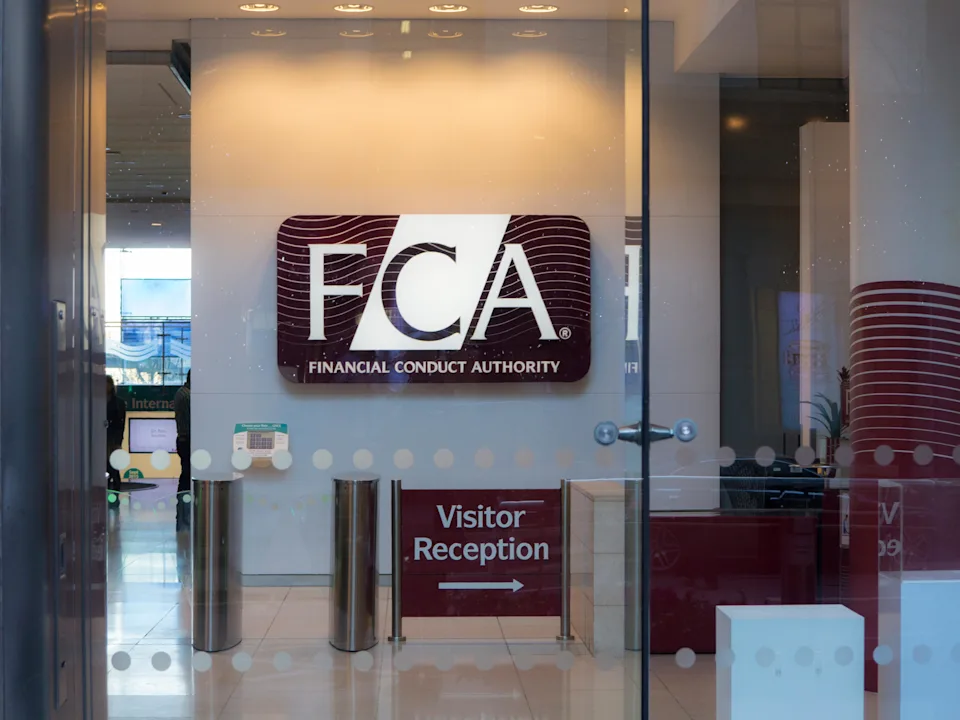
The UK Financial Conduct Authority’s (FCA) long-awaited motor finance redress scheme has been delayed after legal challenges from lenders and a consumer group, putting on hold compensation efforts expected to benefit millions of motorists. The £9.1bn scheme was intended to tackle the widespread mis-selling of car finance agreements involving undisclosed commissions paid to dealers, but its introduction has now been put on hold until the courts review the matter.
The Upper Tribunal has agreed to hear a number of legal challenges in late 2026 or early 2027, effectively suspending key elements of the compensation framework. Therefore, lenders have no present duty to assess or make payments under the scheme, or to inform potentially qualifying customers during the course of proceedings. However, firms are still expected to get ready in time for a possible implementation should the scheme be upheld in the end.
The FCA had planned the scheme to offer consistent compensation to affected borrowers across the UK, to streamline claims and to prevent inconsistent decisions by courts and regulators. Consequently, the suspension now creates uncertainty about the timing and structure of any payouts, meaning consumers will have to wait longer for a resolution.
Legal Challenges from Lenders and Consumer Advocacy Groups
The suspension comes after a coordinated legal effort by several big financial institutions, including subsidiaries of Volkswagen, Mercedes-Benz and Crédit Agricole, as well as a consumer advocacy group known as Consumer Voice. Some of the parties challenge certain elements of the FCA’s proposed redress methodology, arguing that they are either too broad or do not sufficiently take into account the financial impact of individual agreements.
Lenders have expressed concerns around the potential size of the liability, warning the scheme could place a big financial burden on the automotive finance sector. However, some consumer representatives have argued the proposed compensation model may not capture the full extent of the harm experienced by borrowers and that individual legal claims may yield different results than a standardized scheme.
Now the tribunal will decide whether the FCA’s framework can go ahead as planned, or whether it needs to be revised or replaced. Depending on the outcome, the scheme could be scaled back, further delayed or perhaps ended in favour of case-by-case claims.
Impact on Millions of Drivers and Market Outlook
The suspension has immediate implications for millions of UK motorists who were expecting guidance on compensation timescales. Many consumers affected by historic discretionary commission arrangements – relating to agreements entered into between 2007 and 2024 – will now face further delays before they learn whether they are eligible for redress.
Industry estimates have suggested average compensation payouts could run to hundreds of pounds per borrower, with total scheme costs running into billions. But the legal hiatus means no payments are being processed at the moment and firms have been told to stop key administrative steps around distribution and notification.
Analysts said the uncertainty may extend the time lenders are exposed to legal risk and slow the drawdown of financial provisions already earmarked for possible compensation. The result of the tribunal hearings, which may wrap up in late 2026 or early 2027, will likely decide whether the UK opts for a centralized compensation approach or moves toward a more fragmented legal claims system.
Related Post

Stock Market Today: Dow, S&P 500, Nasdaq Swing as Tech Stocks Trigger Global Market Volatility
Investors Pile Into Dollar Bets After Kevin Warsh Signals Tougher Fed Stance

Yen Hits 40-Year Low as Japan Faces Mounting Pressure Over FX Intervention and Policy Gap

More Americans Say Their Finances Are Worse Than a Year Ago, Fed Survey Finds
RECENT POST
- »Asian Markets Rally as United States and Iran Move Closer to Possible Deal
- »Family Offices in 2026: Shifting from Preservation to Planetary Impact
- »Trump-Backed Moore Captures Alabama GOP Senate Nomination
- »Meta Whistleblower Sues Company Over Alleged Attempt to Silence Memoir ‘Careless People’
- »Former Israeli PM Claims Starlink Receivers Were Secretly Moved Into Iran