Asian Markets Rally as United States and Iran Move Closer to Possible Deal
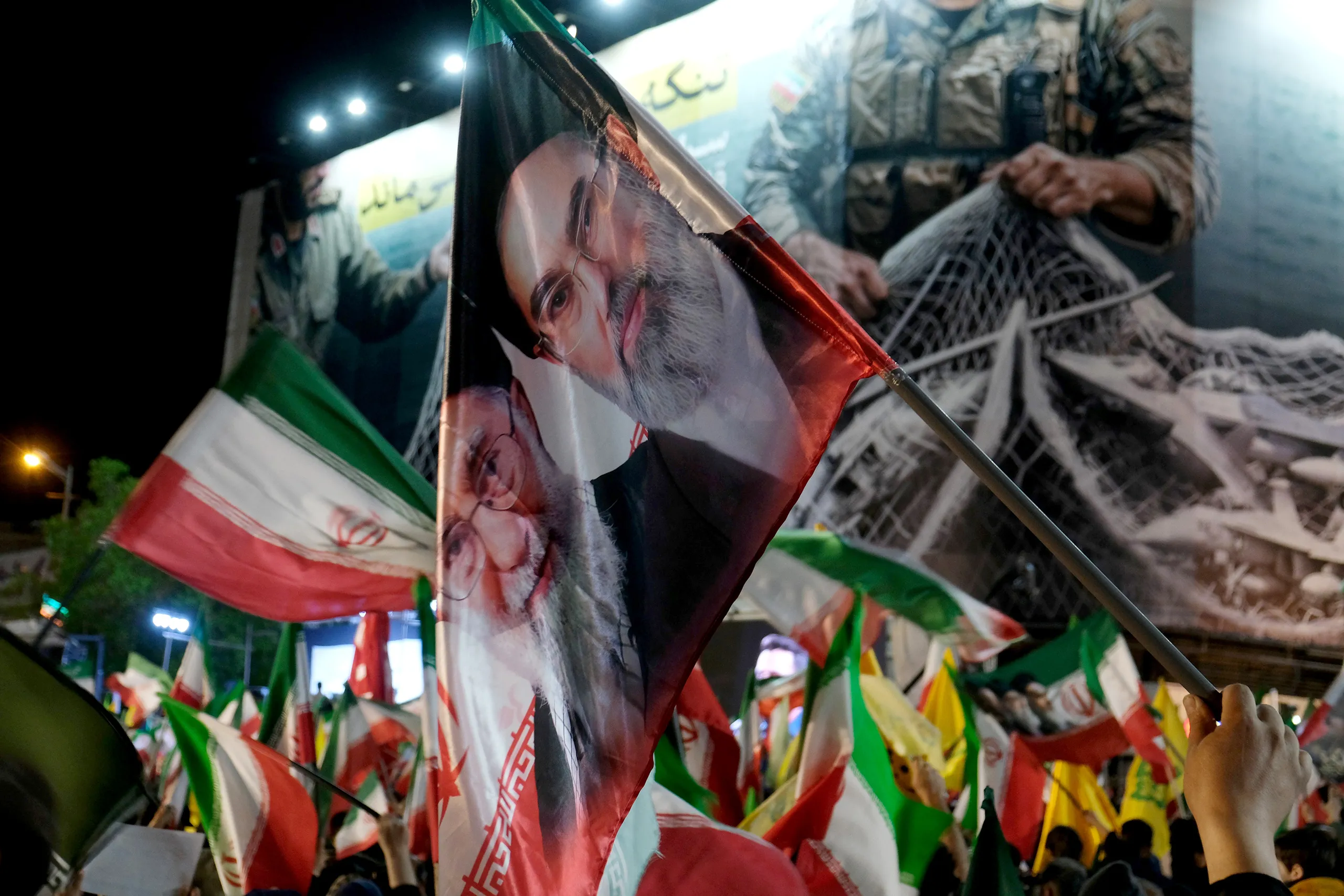
Asian stock markets extended gains as investors reacted positively to increased hopes of a possible deal between the United States and Iran. Market sentiment was buoyed after reports said negotiations to extend the ceasefire and reopen the Strait of Hormuz were progressing, easing concerns over a prolonged energy and shipping crisis.
Asian shares gained broadly, supported by optimism that reduced geopolitical tensions could lower inflation pressures and stabilize global trade flows. Japan, South Korea and several regional markets advanced as traders returned to risk assets after weeks of volatility linked to the Middle East conflict.
Futures tied to the S&P 500 also climbed, reflecting expectations that Wall Street would continue its upward momentum once trading resumed after the Memorial Day holiday. Investors viewed any diplomatic progress as highly significant because the Strait of Hormuz remains one of the world's most critical shipping routes for oil and gas exports.
The positive mood followed comments from Donald Trump, who stated that negotiations with Iran were proceeding nicely. Pakistan's military chief Asim Munir, who has acted as an intermediary between the two sides, reportedly told Chinese officials that an agreement was close. Investors interpreted those developments as signs that the worst phase of the energy shock could be ending, helping global equities approach record highs.
Analysts, however, continued warning that market confidence remained fragile because previous attempts at de-escalation had failed. Investors remained hypersensitive to events in Doha and Washington, knowing that any reversal in the talks could quickly wipe out gains in global markets.
Oil Prices Swing as Conflict and Diplomacy Collide
Oil prices experienced major volatility as hopes for a diplomatic breakthrough competed with renewed military action in the region. Brent crude initially dropped sharply after optimism grew around a possible interim agreement that could reopen the Strait of Hormuz, but prices later rebounded after new U.S. strikes in southern Iran raised doubts about how quickly a final deal could be achieved.
Brent crude rose more than 2% after the strikes, recovering part of the previous session's slump of over 7%. The U.S. military described the attacks as defensive operations targeting missile launch sites and boats attempting to place mines in strategic waterways.
Markets reacted nervously because any escalation in the conflict could again threaten energy supplies and shipping routes that are vital to the global economy. Despite the rebound in prices, investors still viewed the broader direction of oil as tied closely to the progress of U.S.-Iran negotiations.
Analysts said a successful agreement could significantly reduce energy prices, lower inflation expectations and ease pressure on central banks. However, uncertainty over Iran's nuclear program, sanctions relief and regional security demands continued to complicate talks.
The sharp swings in crude prices reflected how closely financial markets are now linked to developments in the Middle East conflict. Traders repeatedly adjusted positions based on military announcements, diplomatic statements and reports from negotiators in Doha.
Currency and Bond Markets React to Shifting Risk Sentiment
Currency markets also reacted strongly to changing expectations around the Iran negotiations. The U.S. dollar weakened earlier as optimism about a possible peace agreement encouraged investors to move toward riskier currencies and assets. But later, renewed military tensions added to safe-haven demand for the dollar as uncertainty returned to markets.
The dollar index slipped to a 10-day low as traders anticipated lower oil prices and reduced geopolitical risk. Currencies such as the Australian dollar, euro and several emerging-market currencies strengthened as investors bet that improving trade conditions and falling energy costs could support global economic growth.
Asian currencies, including the Korean won and Japanese yen, also advanced during periods of optimism surrounding the talks. Bond markets reflected similar uncertainty, with Treasury yields declining after resuming trading following the U.S. holiday.
Investors increasingly balanced inflation concerns against the possibility that energy prices might continue falling if diplomacy succeeded. Analysts said lower oil prices could reduce pressure on the Federal Reserve and other central banks to maintain high interest rates for extended periods.
Gold prices meanwhile fluctuated as investors alternated between seeking safety and returning to equities. Although gold initially gained during heightened tensions, prices later declined as confidence improved temporarily. Analysts said downside risks for safe-haven assets were limited by persistent geopolitical instability and uncertainty surrounding the negotiations.
Investors Remain Cautious Despite Market Optimism
Negotiations between Washington and Tehran continue to face major obstacles, particularly on sanctions relief, uranium stockpiles and long-term security guarantees. U.S. Secretary of State Marco Rubio acknowledged that discussions could still take several days before any agreement is finalized.
Market strategists noted that previous hopes for a breakthrough had collapsed before, making traders reluctant to fully commit to risk assets despite recent rallies. Analysts at major financial institutions warned that geopolitical headlines could continue causing sharp swings across stocks, oil and currencies for the foreseeable future.
The broader economic implications also remained significant. Higher energy prices from the conflict have already added to inflation worries and disrupted global supply chains. A peace deal could help steady conditions, but economists cautioned the economic impact of the conflict may linger in markets even after fighting eases.
Investors were closely monitoring all developments, including comments by U.S., Iranian and regional officials. While optimism about diplomacy helped equities and temporarily pulled oil prices lower, markets remained highly susceptible to any new military flare-up or diplomatic setback.
Analysts said the fate of global markets in the coming weeks would likely hinge almost entirely on whether the United States and Iran can turn ceasefire talks into a lasting deal.

Sarah Jenkins
Sarah analyzes global market swings, geopolitical risk, and the macro forces shaping investor sentiment.
Related Post
Markets Turn Volatile as Iran Tensions Threaten Global Energy Supply
Nvidia Reports Record $81.6 Billion Quarter as AI Boom Accelerates

Netflix Walks Away as Paramount’s $111B Bid for Warner Bros Discovery Wins
Gold Hits Record High as Safe Haven Asset
RECENT POST
- »Asian Markets Rally as United States and Iran Move Closer to Possible Deal
- »Family Offices in 2026: Shifting from Preservation to Planetary Impact
- »Louisiana Republicans Advance Congressional Map Reducing Majority-Black Districts
- »Marco Rubio Pushes US Energy Exports During Critical India Visit
- »OpenAI Reportedly Explores Legal Options Against Apple Over AI Partnership