Ryanair CEO Michael O'Leary Signs New Contract With Potential £130M Payout
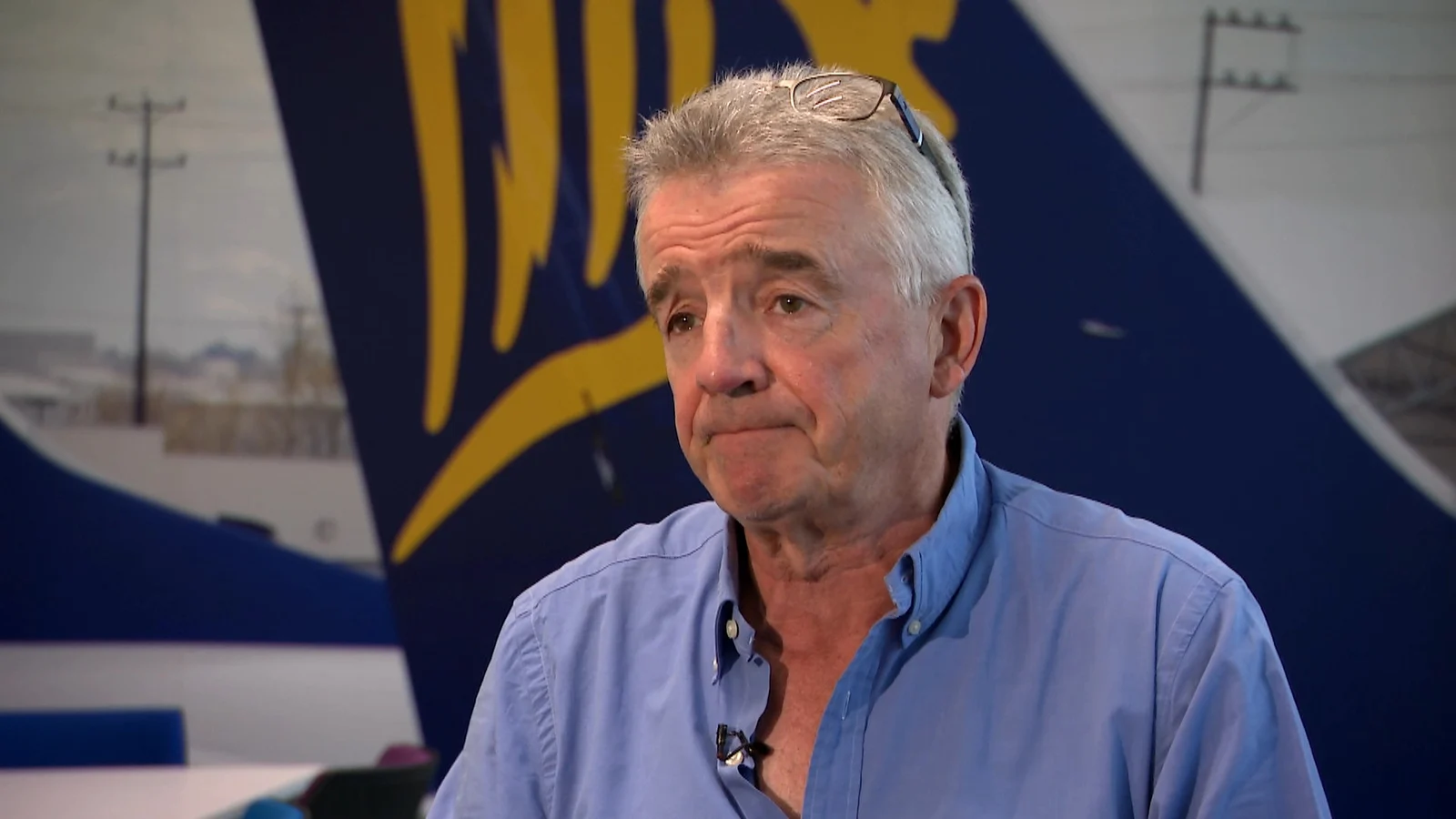
Michael O'Leary has agreed to extend his leadership of Ryanair in a new contract that could ultimately be worth more than £130 million if the airline achieves ambitious performance targets over the coming years. The agreement secures the future of one of Europe's most influential airline executives and signals Ryanair's continued confidence in the leadership style that has transformed the company into the continent's largest low-cost carrier. The announcement was welcomed by many investors who view O'Leary as a central figure behind the airline's long-term success, profitability, and ability to outperform competitors in one of the world's most challenging industries.
Under the terms of the agreement, O'Leary will continue leading Ryanair for several more years while remaining eligible for a substantial share-based incentive package tied directly to the company's financial performance and stock market valuation. Reports indicate that the payout could exceed £130 million if specific targets are achieved, including maintaining strong profitability and sustaining the airline's share price above predetermined levels over an extended period. The package reflects a growing trend among major corporations to link executive compensation more closely to shareholder returns and long-term business performance rather than relying solely on fixed salaries and annual bonuses.
O'Leary has become one of the most recognizable figures in global aviation since taking control of Ryanair in the 1990s. During his tenure, the airline evolved from a relatively small regional carrier into Europe's largest airline by passenger numbers. His aggressive focus on low fares, operational efficiency, rapid aircraft turnaround times, and relentless cost control helped reshape the airline industry and force competitors to rethink their business models. Ryanair's strategy of offering extremely low ticket prices while generating additional revenue through ancillary services became a blueprint copied by low-cost carriers around the world. Supporters credit O'Leary with creating one of the most successful airline businesses in aviation history.
The contract extension comes at a time when Ryanair continues benefiting from strong demand for leisure travel across Europe. The airline has recovered strongly from the disruptions caused by the COVID-19 pandemic and has expanded its network across numerous markets while many competitors continue dealing with operational challenges, labor shortages, and rising costs. Ryanair has consistently reported strong passenger growth and has maintained one of the strongest balance sheets in the industry. Investors generally view the airline as particularly well-positioned to benefit from travelers seeking lower-cost options during periods of economic uncertainty and inflationary pressure.
The performance-linked structure of O'Leary's compensation package has attracted significant attention because of its size. Corporate governance advocates often scrutinize large executive pay arrangements, especially when potential rewards reach nine-figure sums. Supporters argue that such compensation is justified when it is tied directly to value creation for shareholders. If Ryanair achieves the targets required for the full payout, investors would likely have benefited from substantial gains as well. Critics, however, question whether executive compensation packages at major corporations have become excessively large compared with the wages earned by ordinary employees. The debate surrounding executive pay remains one of the most contentious issues in modern corporate governance.
For Ryanair's board, retaining O'Leary appears to be viewed as a strategic priority. Airline executives face an increasingly complex operating environment shaped by fuel price volatility, environmental regulations, labor negotiations, geopolitical tensions, and evolving consumer expectations. O'Leary's experience navigating industry challenges has made him one of the sector's most respected and sometimes controversial leaders. His willingness to publicly challenge regulators, airports, governments, and competitors has frequently generated headlines, but many shareholders believe his approach has contributed significantly to Ryanair's competitive advantage.
The aviation industry itself is undergoing major transformation. Airlines across Europe are investing heavily in fleet modernization, digital technology, sustainability initiatives, and alternative fuels as governments and consumers push for lower carbon emissions. Ryanair has emphasized that newer aircraft can improve fuel efficiency while reducing operating costs and environmental impact. The company has placed large aircraft orders intended to support future growth and strengthen its position as Europe’s leading low-cost airline. Maintaining experienced leadership during this period of transition is viewed as important by many investors who want continuity in strategic decision-making.
Financial markets generally reacted positively to news of the contract extension because it reduces uncertainty regarding Ryanair's future leadership. Leadership transitions at major companies can sometimes create concerns among investors, particularly when long-serving executives have played a central role in corporate strategy and performance. O'Leary's continued presence provides reassurance for shareholders who associate the airline's success closely with his management style and vision. Analysts note that succession planning remains important, but the new agreement gives Ryanair additional time to prepare for eventual leadership changes while maintaining operational stability.
The deal also highlights how competition for experienced corporate leaders remains intense across many industries. Boards increasingly use long-term incentive packages to retain executives considered critical to company performance. Such arrangements are particularly common in sectors where leadership decisions can have significant impacts on profitability, growth, and shareholder value. While the size of O'Leary's potential payout has generated headlines, supporters argue that the package aligns his interests directly with the airline's long-term success because much of the reward depends on achieving demanding business targets rather than guaranteed payments.
As Ryanair continues expanding its network and strengthening its market position, investors will be watching closely to see whether the airline can meet the performance milestones tied to O'Leary's compensation package. If those targets are achieved, the payout could become one of the most notable executive reward packages in European corporate history. More importantly for shareholders, it would likely indicate that Ryanair has continued delivering strong financial results and maintaining its leadership position within the highly competitive European aviation market. The contract extension therefore represents not only a vote of confidence in O'Leary himself but also a statement about Ryanair's ambitions for continued growth in the years ahead.

Sarah Jenkins
Sarah covers corporate governance, aviation, and European business markets.
Related Post
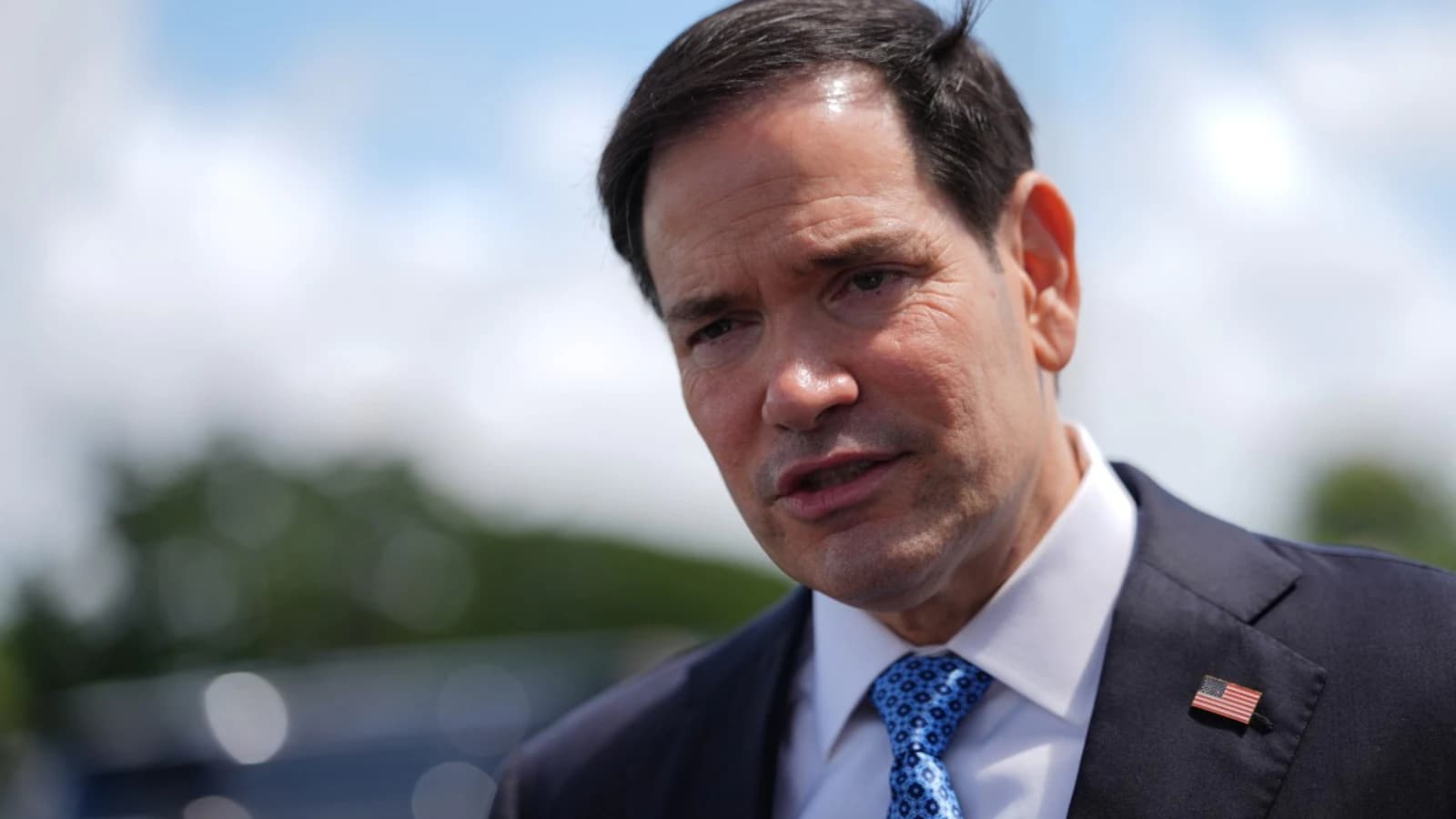
Marco Rubio Pushes US Energy Exports During Critical India Visit
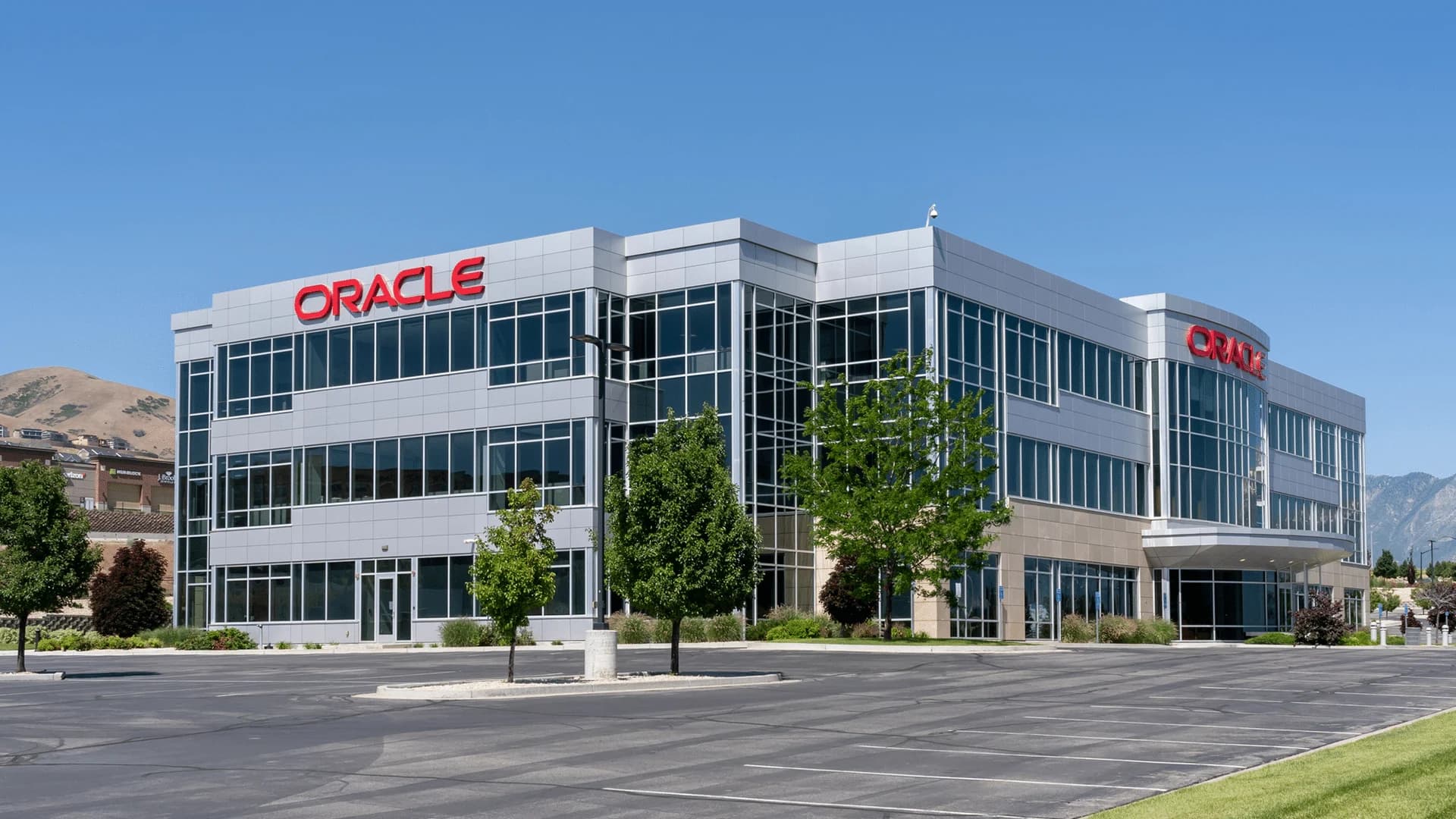
Oracle Beats Revenue Estimates as AI-Driven Cloud Growth Accelerates
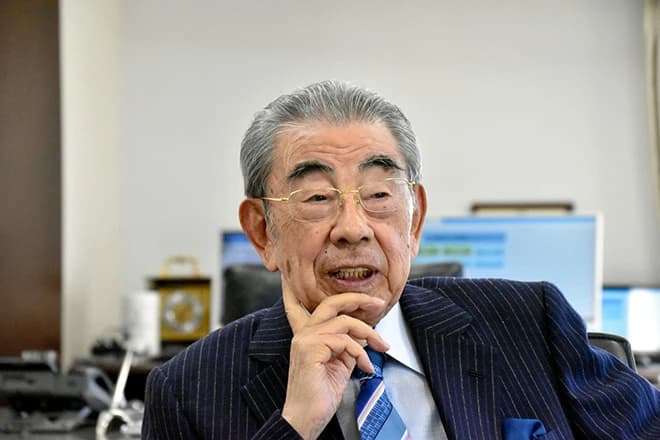
Toshifumi Suzuki Transformed 7-Eleven Into a Global Retail Giant

Nvidia Expands AI Infrastructure Partnerships in South Korea
RECENT POST
- »Asian Markets Rally as United States and Iran Move Closer to Possible Deal
- »Family Offices in 2026: Shifting from Preservation to Planetary Impact
- »Trump-Backed Moore Captures Alabama GOP Senate Nomination
- »Marco Rubio Pushes US Energy Exports During Critical India Visit
- »Apple WWDC 2026 Focuses on AI Progress and Siri Improvements