Investors Pile Into Dollar Bets After Kevin Warsh Signals Tougher Fed Stance
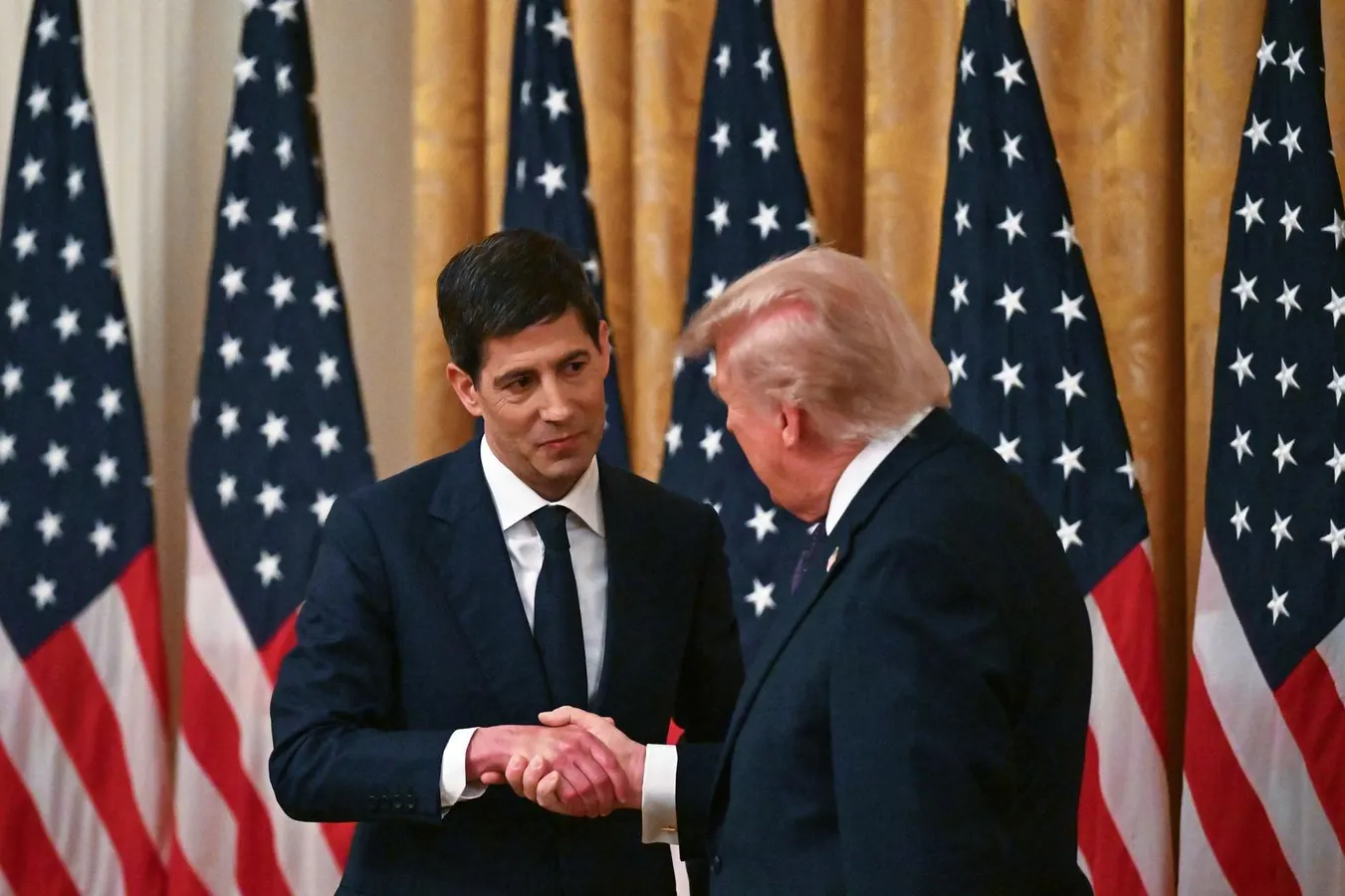
Currency traders are increasingly positioning for further gains in the U.S. dollar after a surprisingly hawkish shift from the Federal Reserve under new Chair Kevin Warsh. Investors have been buying dollar call options and expanding long-dollar positions as expectations grow that U.S. interest rates could remain elevated for longer than previously anticipated. The move marks a sharp reversal from earlier market expectations that the Fed would begin cutting rates during 2026.
The change in sentiment has helped push the dollar to its strongest levels in more than a year against several major currencies. Analysts say investors are increasingly viewing the United States as better positioned than many other economies to withstand inflation pressures and maintain stronger growth. This has revived the so-called “U.S. exceptionalism” trade that had faded earlier in the year.
Market participants have also shifted expectations for future Federal Reserve policy, with futures markets increasingly pricing in the possibility of an interest-rate hike later this year rather than a rate cut. The stronger dollar has simultaneously weighed on commodities, emerging-market currencies and other assets that typically benefit from lower U.S. rates.
Warsh Changes How the Fed Communicates
A major catalyst behind the market reaction has been Kevin Warsh’s first Federal Reserve meeting as chair. Although policymakers left interest rates unchanged, Warsh surprised investors by moving away from the detailed forward guidance that has characterized Fed communications for years. Instead, he emphasized that markets should interpret economic data independently rather than rely on central bank signals.
Warsh’s approach is a big departure from the very transparent style of communication of recent Fed leaders. Investors have said the new framework is less predictable, creating more uncertainty about future policy moves. While some market participants welcome the change, others believe it could increase volatility across financial markets.
The new Fed chair also launched a broad review of the central bank’s operations, including communication practices, inflation frameworks and data analysis methods. His remarks reinforced the perception that the Federal Reserve may be willing to maintain a tougher stance against inflation even if economic growth moderates.
Markets Reprice Interest Rate Expectations
Financial markets reacted quickly to the Fed’s updated outlook. Treasury yields climbed, the dollar strengthened and investors began pricing in a higher probability of future rate increases. According to market estimates, expectations for a year-end rate hike have risen sharply since Warsh assumed leadership of the central bank. Several policymakers are now expecting at least one more rate increase by the end of 2026.
The new forecasts have forced investors to change their view that inflation would keep falling without further tightening of policy. Worries have been stoked by rising energy prices earlier this year and persisting inflationary pressures, which point to the Fed having to keep monetary policy tight for longer. The stronger dollar has also created challenges for other currencies.
Emerging-market and commodity-linked currencies that had benefited from carry-trade strategies have come under pressure as investors redirect capital toward dollar-denominated assets. Higher U.S. yields have increased the attractiveness of American financial markets relative to overseas alternatives.
Global Investors Watch the Dollar’s Next Move
Despite the dollar’s recent strength, analysts remain divided over how long the rally can continue. Some believe expectations for higher U.S. Other factors expected to fuel further gains are interest rates and continued economic resilience. Some think easing geopolitical tensions and lower energy prices could take the edge off inflation pressures and weaken the case for more Fed tightening.
Traders are also looking ahead to upcoming inflation reports, labor market data and remarks from Federal Reserve officials, which could determine if markets keep pricing in more rate hikes or start to move back toward expectations of policy easing.
But for now, the dominant market narrative is of a stronger dollar and a Federal Reserve that seems more inclined to surprise investors. As Warsh settles into his leadership style, traders in currency, bond and equity markets are adjusting to a new era where policy signals may be less predictable and market reactions potentially more volatile.

Finance Desk
The Finance Desk covers global markets, economics, and monetary policy.
Related Post

U.S. Jobless Claims Rise to 225,000, Marking Four-Month High Amid Labor Market Resilience
United States Inflation Hits Highest Level in Nearly Three Years
Snowflake Shares Jump After Strong Earnings and Massive AWS AI Deal

More Americans Say Their Finances Are Worse Than a Year Ago, Fed Survey Finds
RECENT POST
- »Asian Markets Rally as United States and Iran Move Closer to Possible Deal
- »Family Offices in 2026: Shifting from Preservation to Planetary Impact
- »Trump-Backed Moore Captures Alabama GOP Senate Nomination
- »Marco Rubio Pushes US Energy Exports During Critical India Visit
- »Apple WWDC 2026 Focuses on AI Progress and Siri Improvements