Global Markets Slide as Trump Tariffs, Oil Surge and AI Stock Sell-Off Shake Investor Confidence
Investors are digesting a cocktail of new U.S. tariffs, higher oil prices, artificial intelligence stock volatility and concerns that inflation could remain elevated for longer than expected, weighing on global financial markets. Asian markets bore the brunt of the selling, with export-dependent economies like Japan and South Korea suffering the most as traders considered the potential impact of higher trade barriers on global commerce.
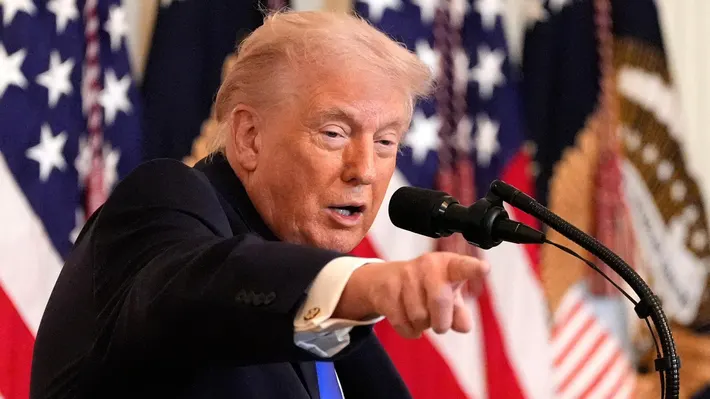
The selling reflected mounting uncertainty about the outlook for international trade after President Donald Trump announced additional tariffs that apply to a broad range of countries. Investors feared the higher import costs could squeeze corporate profits, disrupt supply chains and create new inflation concerns for central banks trying to balance economic growth with price stability.
Asian technology shares were among the biggest decliners as investors also cut exposure to AI-related companies on concern valuations had become too stretched. Following years of enthusiasm surrounding investment in artificial intelligence, semiconductor companies faced renewed selling pressure as markets questioned whether current spending levels could translate into future earnings growth.
Japan's Nikkei and South Korea's KOSPI were both deep in the red, while broader Asian markets were also lower. Investors were particularly focused on nations with significant export relationships with the U.S., since new tariffs could impact manufacturers, technology firms and industrial companies that rely on global trade.
The dip came after weeks of volatility in which investors weighed optimism about growth driven by artificial intelligence against concerns about geopolitical instability and rising commodity prices. Last week’s move highlighted how quickly sentiment can turn when a number of economic risks converge.
1Trump Tariffs Add Pressure on Export-Driven Asian Economies
Much of the latest market action was fuelled by concerns about President Trump’s tariff strategy that has once again created uncertainty for companies that operate across global supply chains. Investors fear more tariffs could raise production costs, dampen global trade activity and force companies to rethink their investment strategies.
Japan and South Korea were the two hardest-hit markets, both of which have economies heavily dependent on exports, notably in the auto, electronics, machinery and semiconductor sectors. Companies with large U.S. consumer exposure could face challenges if tariffs raise the cost of imported products or diminish demand.
Investors in South Korea’s stock market sold off large technology stocks, leading to a sharp decline. The global semiconductor industry has become so intertwined with international supply chains involving the U.S., China and other Asian economies that semiconductor giants are especially vulnerable.
Japan’s markets also dropped as investors considered the impact of possible trade restrictions on major exporters. Currency movements added to the uncertainty, with the U.S. dollar gaining strength as investors sought safety in the face of rising market volatility.
Companies might need to change their strategies by diversifying manufacturing locations, changing supplier networks or raising prices to cover higher costs, analysts said. But such changes could take time and may add to the pressure on businesses that are already facing uncertain consumer demand.
Tariff concerns have also thrown a shadow over the outlook for global economic growth. While some investors believe companies can adapt over time others are worried that ongoing trade tensions could weigh on investment and erode international economic activity.
2Middle East Tensions Send Oil Prices Higher Include Inflation Risks
Markets were also concerned about the rapid rise in energy prices. Oil prices jumped sharply as tensions in the Middle East rose, sparking fears of possible disruptions to the global supply routes. Brent crude oil pushed above $100 a barrel, raising concerns that higher energy prices could spark inflation worldwide.
So higher oil prices are a pain for both consumers and businesses. Increasing fuel prices can increase transportation costs, influence manufacturing costs and reduce household purchasing power. Investors are particularly concerned that central banks may have less room to cut rates if inflation remains elevated.
Inflation worries also resonated in bond markets, where yields on government bonds increased as investors adjusted their expectations of future monetary policy. Higher yields can hurt stock valuations by increasing the cost of borrowing for companies, and by making fixed-income investments a more attractive alternative to equities.
That’s a tough combination for investors to handle: higher oil prices and trade uncertainty. Technology companies continue to be a big growth opportunity but inflation and interest rate concerns are making markets rethink risk levels.
In recent weeks, energy markets have grown in prominence as geopolitical developments have directly impacted investor confidence. Any further escalation could mean more volatility across stocks, currencies and commodities.
3AI Stocks Fall, Raising Questions Over Technology Rally
Technology stocks, including those tied to artificial intelligence, also helped pull the market down. Following a lengthy run of strong gains, investors have become more cautious about whether AI-related companies can continue to deliver growth at current valuations.
The AI investment boom has led to massive spending on data centers, advanced chips and computing infrastructure. Semiconductor makers were major beneficiaries of this trend as companies raced to obtain the hardware required for artificial intelligence development. But recent market action suggests investors are increasingly looking for proof these investments will generate sustainable profits.
Fears rose after some of the big tech companies reported rising costs linked to developing AI infrastructure. Investors started to doubt if huge capital expenditures would yield enough returns, or if parts of the AI industry had been overplayed.
That sell-off doesn’t necessarily indicate waning confidence in artificial intelligence as a technology. Instead, investors are getting choosier and are looking for firms with solid revenue growth, profitable AI applications and clear business models, analysts said.
The market correction is a reminder of the difference between long-term confidence in AI technology and short-term worries about stock valuations. Companies that successfully commercialise AI products will continue to attract investor interest, while others will come under greater scrutiny.
4What Investors Are Watching: Trade, Earnings, Central Banks
Markets are in the next phase of 2026 and investors are looking at a handful of things that could play out over the next couple of years. Decisions by central banks, oil prices, corporate earnings and trade talks will continue to be the main drivers of financial markets.
Major central banks like the Federal Reserve are walking a tightrope trying to manage inflation risks without harming the economy. Geopolitical tensions could send energy prices higher, clouding the skies for expected interest rate cuts.
Corporate earnings will also be important indicators of how companies are handling higher costs, tariffs and evolving consumer conditions. “Investors will be watching closely to see whether companies can hold onto their profit margins in the economic uncertainty.”
Markets are still being supported by robust tech investment trends and ongoing demand for artificial intelligence infrastructure, even after the recent decline, analysts said. However, volatility is likely to remain elevated as investors grapple with competing forces of innovation, inflation and geopolitical risk.
The latest market slide is a reminder of how closely interconnected the global economy has become. Trade negotiations in Washington, skirmishes in energy producing regions and breakthroughs in technology segments can quickly sway investor sentiment on a global scale.
Markets are for now focused on whether current pressures are a temporary correction or the start of a broader shift in investor expectations. The direction of oil prices, tariff negotiations and corporate earnings will likely determine whether confidence returns or more volatility comes in the months ahead.

Sarah Jenkins
Sarah Jenkins covers global financial markets, trade policy, and economic trends.
Related Post

Gen Z's Love of Cold Drinks Is Reshaping Starbucks and the Beverage Market

Alejandro Betancourt: The Venezuelan Oil Tycoon at the Center of Trump's Landmark Deal
Oil Prices Near $100 as Iran War Disrupts Global Energy Supplies

TikTok Agrees to $400 Million US Settlement Over Children's Privacy Violations
RECENT POST
- »US Dollar Struggles Despite Rising Fed Rate Hike Bets as Yen and Euro Gain
- »Oil Prices Near $100 as Iran War Disrupts Global Energy Supplies
- »How Robots and AI Are Changing the Future of Theme Parks
- »US Diesel Prices Hit Record $5.85 a Gallon as Global Fuel Crisis Deepens
- »Netherlands Moves 86 Tonnes of Gold to London Amid Rising Geopolitical Risks