Gen Z's Love of Cold Drinks Is Reshaping Starbucks and the Beverage Market
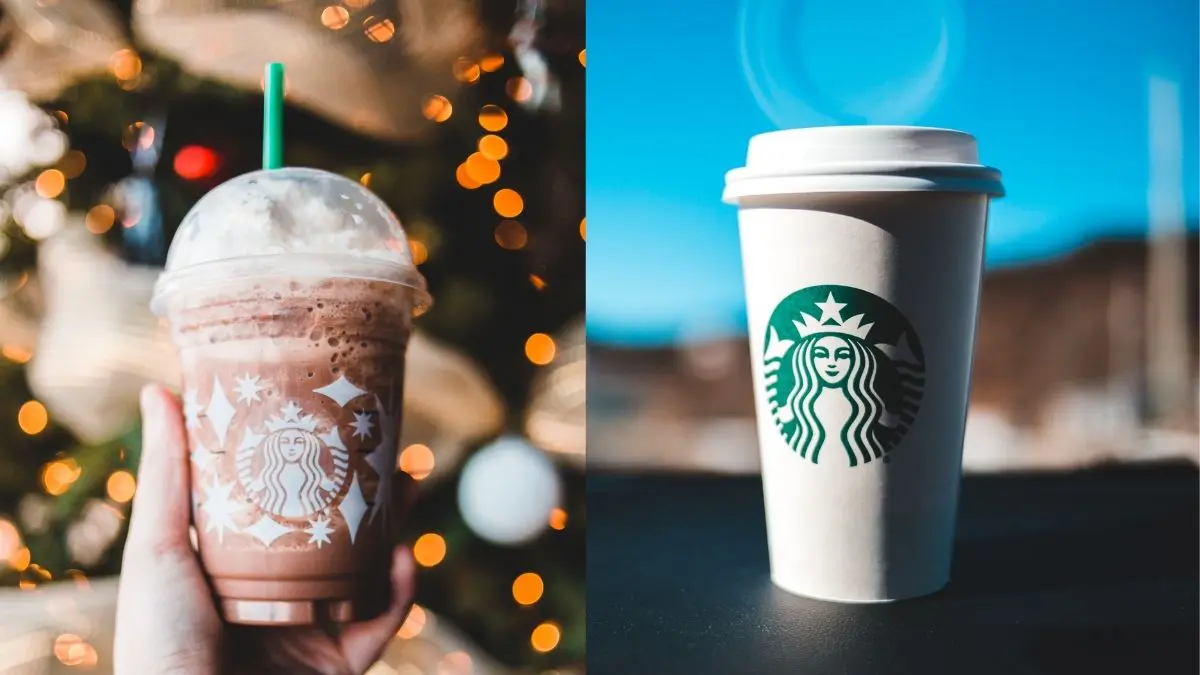
The traditional image of a coffee shop built around steaming cappuccinos and hot black coffee is changing rapidly as younger consumers, particularly Gen Z, increasingly turn toward drinks served ice cold. At Starbucks, the shift has become impossible for the company and investors to ignore: the coffee giant says three out of every four beverages it sells are now cold, including iced coffees, fruity Refreshers, protein drinks and highly customized specialty beverages. The change reflects a much bigger transformation in consumer behavior, where drinks are no longer viewed simply as something to provide caffeine or satisfy thirst. For younger customers, beverages have become part of lifestyle, self-expression and social media culture, creating a lucrative opportunity for brands that can offer visually appealing, customizable and frequently changing products.
One of the clearest examples is the changing relationship between Gen Z consumers and traditional coffee. Many younger customers still drink coffee regularly, but they increasingly prefer iced lattes, cold brews, shaken espresso drinks and flavored coffee rather than a conventional hot cup. The appeal goes beyond temperature. Cold drinks offer brands an enormous range of possibilities for customization through syrups, flavored foams, fruit combinations, alternative milks, toppings and different sizes. That flexibility allows customers to create a beverage that feels unique to them, while giving retailers opportunities to increase the final price through additional customizations. Market researchers say younger consumers increasingly view beverages as products that can be tailored to a particular mood, occasion or personal identity.
The economic implications of this shift are significant because cold beverages can create much more room for premium pricing than a conventional cup of coffee. A basic hot coffee is relatively standardized, making it difficult for a customer to justify paying substantially more simply because of the drink itself. Cold beverages, however, can be transformed through size, layers, flavors, foam, fruit and toppings. That allows brands to sell what is effectively the same underlying beverage at several different price points. Industry analysts say Gen Z customers are often highly price-conscious but remain willing to spend more when a product feels special, functional, visually attractive or highly personalized. The result is a market where a relatively inexpensive beverage can be positioned as an affordable form of luxury.
Social media has accelerated the trend. Platforms such as TikTok and Instagram have turned beverages into highly shareable consumer products, with unusual colors, elaborate toppings and limited-time flavors generating enormous attention. Starbucks has repeatedly used this behavior to create buzz around seasonal and novelty drinks. A brightly colored beverage can become a social-media trend within hours, encouraging customers to visit stores specifically to photograph and share the product. The commercial value of this visibility can be substantial. Data cited in recent reporting showed that Starbucks' limited-edition Unicorn Frappuccino was associated with a 44% increase in foot traffic during its brief appearance. This demonstrates why beverage innovation has become as much a marketing strategy as a product-development exercise.
The trend is not limited to the United States. In India, younger consumers are also increasingly choosing cold coffee, iced lattes and ready-to-drink beverages. Major companies such as Nestlé India, Hindustan Unilever and Tata Starbucks are expanding their cold beverage portfolios in response. Nestlé India has described cold coffee as one of its fastest-growing segments, while its ready-to-drink category has recorded consistent double-digit growth. Tata Starbucks has also reported continued demand for cold brews and iced lattes, with the products increasingly being consumed outside traditional summer months. This suggests that the movement toward cold drinks is becoming a structural consumer trend rather than simply a seasonal reaction to hot weather.
Quick-commerce services are helping accelerate that transformation. Consumers can now order chilled coffee, energy drinks and other specialty beverages from their phones and receive them at home within minutes. This convenience is changing when and where cold drinks are consumed. Previously, iced coffee might have been something people purchased from a café while out shopping or traveling. Increasingly, consumers can keep ready-to-drink versions in their refrigerators and order specialty products whenever they want them. Economic Times reported that cold coffee consumption on Flipkart Minutes surged during the first months of 2026, while searches for cold coffee also increased sharply. Sugar-free, hazelnut and chocolate-flavored options have shown particularly strong demand.
The rise of cold drinks is also helping newer beverage companies compete with traditional coffee chains. Chains such as Dutch Bros have built much of their identity around customizable cold beverages rather than classic hot coffee. According to company data, 94% of Dutch Bros drinks were iced or blended in 2024, illustrating just how completely some emerging beverage businesses have oriented themselves around younger consumers' preferences. Their menus often combine coffee, energy drinks, flavored lemonades and highly customizable toppings. This business model challenges the assumption that coffee chains must primarily sell hot coffee and suggests that the future of the category could look more like a broad beverage platform than a traditional café.
For Starbucks, the development creates both an opportunity and a strategic challenge. The company's global brand was historically built around coffee culture, but the fastest-growing parts of its menu increasingly sit outside traditional hot coffee. That means Starbucks must continue developing products that attract customers who may not identify themselves as traditional coffee drinkers. Refreshers, iced shaken espresso, protein-based drinks and other cold beverages give the company access to consumers who might otherwise choose energy drinks, juices or specialty cafés. The strategy is particularly important for attracting younger customers whose long-term loyalty could determine Starbucks' future growth.
The trend also explains why beverage customization has become such a major part of the restaurant industry's strategy. Gen Z customers want choices, but they also want products that look distinctive. Starbucks and its competitors can respond by offering different syrups, milks, cold foams, fruit flavors and toppings that allow consumers to effectively build their own beverages. Each extra element creates another opportunity to generate revenue while also encouraging customers to share their creations online. From a business perspective, customization turns a basic beverage into a flexible platform that can support hundreds of combinations without requiring restaurants to completely redesign their menus.
However, the cold-drink boom also creates operational challenges. Highly customized beverages require more preparation, ingredients, refrigeration, storage and staff training. During busy periods, complex orders can slow down service and increase pressure on employees. Stores must maintain inventories of numerous flavors and toppings while ensuring that ingredients remain fresh. Starbucks and other large chains therefore face a delicate balance between offering enough customization to attract customers and keeping operations efficient enough to protect profit margins.
The shift is also attracting the attention of beverage manufacturers outside traditional cafés. Consumer-goods companies are investing in ready-to-drink coffee, flavored cold beverages and functional drinks as younger shoppers increasingly seek products that provide caffeine, energy or other perceived benefits. Mintel research points to Gen Z's strong relationship with iced coffee, while industry analysts have identified versatility, taste and food-service-style presentation as important drivers of demand. The result is a growing market that spans supermarkets, convenience stores, cafés, vending machines and delivery platforms rather than remaining confined to traditional coffee shops.
For investors, the important question is whether this represents a temporary fashion or a lasting change in consumer behavior. Current evidence suggests the shift toward cold beverages is increasingly structural. Younger consumers have grown up with specialty cafés, social media and on-demand delivery, creating expectations around personalization and convenience that traditional coffee culture did not necessarily emphasize. In India, for example, seasonal fluctuations in cold-coffee consumption have narrowed dramatically, with brands reporting increasingly consistent demand throughout the year. That kind of behavior would suggest that cold beverages are becoming everyday products rather than summer treats.
The broader beverage industry is therefore entering a period in which temperature, customization and visual appeal are becoming important competitive advantages. Starbucks may still be one of the world's most recognizable coffee brands, but its future growth increasingly depends on winning customers who do not necessarily want traditional coffee. Gen Z's preference for cold, customizable and visually distinctive drinks is forcing established companies to rethink everything from product development and pricing to store operations and marketing. What began as a preference for iced coffee is becoming a much broader transformation of the beverage market, creating new opportunities for brands that understand that for younger consumers, sometimes the most valuable thing in the cup is not the coffee at all.
Related Post

Dow, S&P 500 and Nasdaq Hold Near Records as Investors Assess Fed Rate Outlook

Wall Street Rises as Investors Await Inflation Data While AI Stocks and Rate Cuts Drive Sentiment

TikTok Agrees to $400 Million US Settlement Over Children's Privacy Violations

Emerging Markets Hit by AI Tech Selloff as Investors Question Sustainability of Chip Rally
RECENT POST
- »Trump Announces Deal Giving US Control of 65 Billion Barrels of Venezuelan Oil
- »Gen Z's Love of Cold Drinks Is Reshaping Starbucks and the Beverage Market
- »Why Robotic Pizza Makers Are Struggling to Replace Human Workers
- »Judge Rules Trump Administration Unlawfully Retaliated Against Anthropic
- »Electric Gardening Equipment Is Replacing Petrol Tools as Landscapers Go Greener