Oil Markets React After U.S. Strikes Iran as Traders Watch Strait of Hormuz Risks
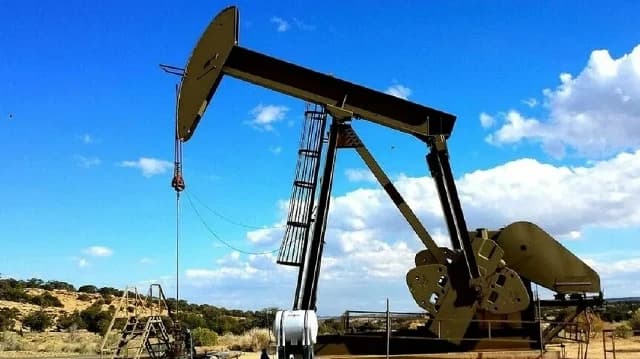
US strikes on Iran are reviving fears of energy supply disruption from the Middle East, adding to pressure on global oil markets.
The latest military escalation, especially with regard to the security of shipping lanes through the Strait of Hormuz, a vital artery for global energy transportation, has led investors to reconsider the risks in one of the world’s most important oil-producing regions.
Oil prices jumped on news of the strikes but markets remained volatile as traders weighed the prospect of further escalation against hopes that diplomatic efforts could avoid a wider conflict.
Traders Eye Tensions in Strait of Hormuz
The narrow Strait of Hormuz still sees a significant share of the world’s oil and gas shipments, and remains a critical matter for global energy.
Shipping disruption in the region could quickly cut global crude supplies, raising transport costs and adding uncertainty to energy markets.
Traders and shipping companies said they were concerned about potential threats to vessels in the region following the latest U.S. strikes. Tensions have continued to rise around the strait, with some insurers starting to issue warnings of caution around shipping routes in the region.
Oil prices remain elevated, with a risk premium as investors monitor military developments and diplomatic responses that could prolong instability.
Oil Markets Balance Supply Outlook, Risks of Conflict
Energy markets have been seeking to balance tough geopolitical issues and expectations of future supply availability.
Crude prices soared on worries over disruption to production and exports after earlier worries about the Iran conflict. Brent crude earlier surged above $78 a barrel as tensions re-escalated and uncertainty over regional shipping grew.
Prices haven't just gone up. Investors are also eyeing the possibility of talks resuming and energy flows normalizing despite the conflict.
Brent crude and U.S. West Texas Intermediate later fell as markets weighed the possibility of de-escalation and continued supply recovery, Reuters said.
See Global Economy: Energy Shock Risks
The rise in oil prices may threaten governments and central banks already battling inflation.
Higher crude prices can affect transportation costs, manufacturing costs and consumer prices in economies.
Energy analysts watch conflicts in the Middle East because short-term disruptions can affect market expectations and cause sharp swings in prices.
Prolonged uncertainty could push up fuel prices, adding pressure on businesses and households in major oil-importing nations.
Conflict Brings New Uncertainty for Energy Investors
The latest strikes come after a period of fragile stability in the conflict between the U.S. and Iran.
Markets had been tracking diplomatic developments closely, hoping negotiations could help ease tensions and restore confidence in energy flows.
The fighting has picked up again and that has changed the picture, forcing investors to think again about the possibility of a long war.
Oil traders are now left with a couple of questions: would there be further attacks, would shipping routes be kept open, would diplomatic channels be able to prevent further escalation?
The Problem is Shipping and Insurance.
The energy markets are watching for crude production, and the safety and cost of transporting oil.
Shipping companies operating in conflict-sensitive regions face increased risks and higher insurance premiums.
Markets expect shortages and even if the amount of oil produced stays the same, fears over transport routes can still affect prices.
The Strait of Hormuz is particularly important because a disruption there could affect not only crude oil but also other energy cargoes, such as liquefied natural gas.
Oil Producers Ponder Market Impact
The situation is being closely watched by major oil producers with still a lot of uncertainty surrounding the outlook.
A long disruption can change global supply patterns and require producers and consumers to change strategies.
Countries with spare capacity could play a bigger role if markets face shortages, while economies that depend on imports might seek alternative suppliers.
Analysts say much will depend on whether the conflict spreads or is contained.
Investors Prepare for Further Volatility
The convergence of geopolitical risks with existing economic headwinds means a period of increased uncertainty for financial markets.
Oil prices are expected to be driven by headlines relating to military operations, diplomatic talks and shipping activity in the region, while investors are also watching how energy prices are impacting inflation expectations and broader market sentiment.
A jump in the price of crude could hit airline costs, industrial production and consumer spending.
Next Step for Energy Markets
The recent US strikes on Iran have again put Middle East security in the spotlight of global energy conversations.
Oil markets have so far avoided an immediate supply crisis but uncertainty is high as traders price in the risk of further escalation.
The coming days will be determined by the pace of military action, the tempo of diplomatic efforts, and the fate of vital shipping lanes.
It is another reminder to the world’s energy markets that geopolitical events can quickly alter oil prices and expectations about the world economy.

Markets Desk
Markets Desk covers technology sectors, corporate earnings, and global market dynamics.
Related Post

Securitize Tokenizes $295M of Stock on Solana and Avalanche After NYSE Listing in Landmark Crypto IPO Moment
Asian Stocks Rise While U.S. Futures Slip Amid Progress in U.S.-Iran Talks

Tech Rout Wipes More Than $1 Trillion From Nasdaq 100 as SpaceX Leads Declines

Global Markets Steady as Oil Prices Stabilize and AI-Driven Rally Lifts Asian Shares
RECENT POST
- »Asian Markets Rally as United States and Iran Move Closer to Possible Deal
- »Family Offices in 2026: Shifting from Preservation to Planetary Impact
- »Trump-Backed Moore Captures Alabama GOP Senate Nomination
- »Meta Whistleblower Sues Company Over Alleged Attempt to Silence Memoir ‘Careless People’
- »Former Israeli PM Claims Starlink Receivers Were Secretly Moved Into Iran