OPEC+ Raises Production Targets, Oil Prices Slip and Asian Shares React to Increased Supply
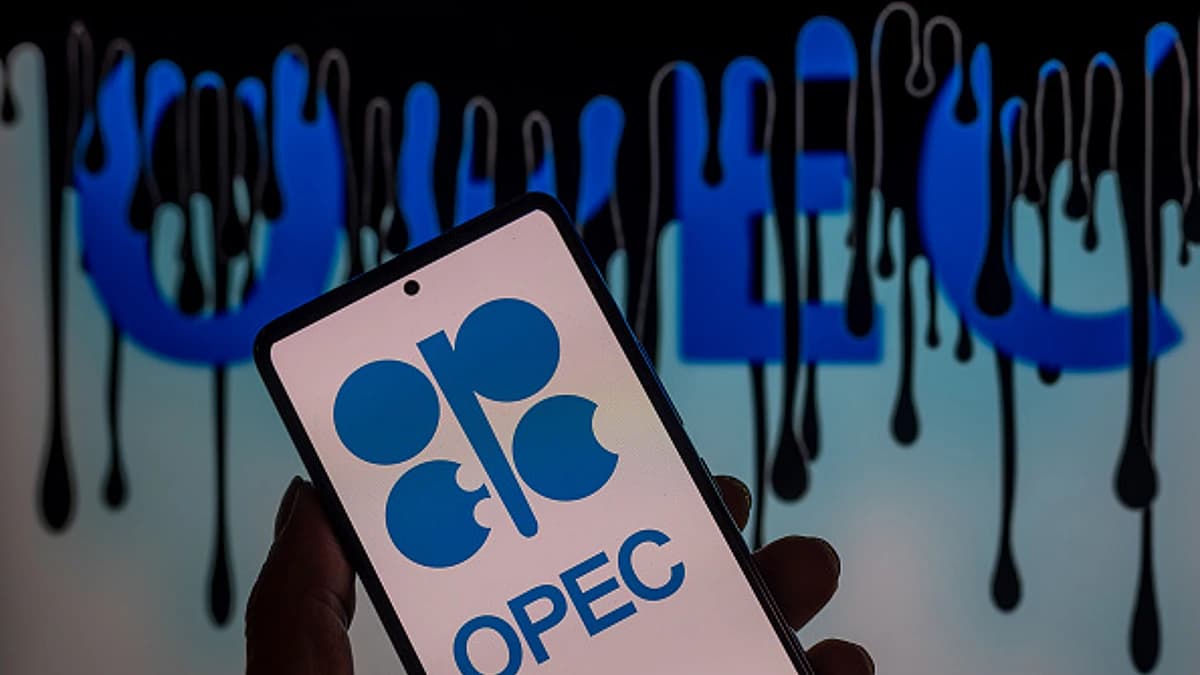
Oil prices dropped on July 6, 2026 after the Organization of the Petroleum Exporting Countries and allied producers, known collectively as OPEC+, said they would raise official output targets from August 2026. The group agreed to raise quotas by about 188,000 barrels a day, the fifth consecutive monthly increase in output. The announcement comes as efforts continue to balance markets and manage expectations for global supply and demand. The move was seen by market participants as a sign of more supply to come and helped to weaken benchmark crude prices.
Brent crude futures dropped about $0.24 to trade at $71.88 a barrel. U.S. West Texas Intermediate crude fell about $0.11 to $68.58 a barrel. The declines were mainly due to expectations that more OPEC+ supply would ease the tightness caused by production cuts in previous months, analysts said. The announcement also came after a recovery in exports from Gulf producers through the Strait of Hormuz, adding to the view the market will have access to higher volumes of crude in the near term.
But some traders were wary of the dip, citing geopolitical risks, regional unrest and lingering uncertainty over energy demand which could still cause short-term volatility. barring any unexpected occurrences in major producing regions, an increase in the production quota and more stable shipping conditions are expected to keep oil prices in a range-bound movement.
Asian Stocks Follow Oil, Earnings View
Asian shares were mixed as investors digested the OPEC+ decision and looked ahead to upcoming corporate earnings. Lower oil prices helped ease inflation concerns in energy intensive sectors but overall risk appetite was cautious with investors looking at earnings guidance and economic data. Other markets were mostly flat with the main benchmarks in Japan, South Korea and China fractionally higher with no clear drivers other than the move in oil prices.
Traders said the drop in crude prices could indirectly help equities by lowering input costs for companies, especially manufacturers and transportation firms. The earnings season may also draw market attention as investors look for tangible results before placing larger bets, analysts said. The region has had measured trading due to interaction between falling commodity prices and expectations on financial performance
Market Drivers and Market Outlook
There are a variety of things happening that are driving the recent moves in oil and equities. OPEC+ is making modest adjustments to its production levels to respond to the needs of the global market, suggesting the group is sticking to its plan as it rolls back some of the cuts it had put in place earlier. Higher export volumes from Gulf producers, especially through important maritime chokepoints such as the Strait of Hormuz, have also raised expectations for more supply in the world crude market.
Demand-side concerns about slowing consumption in large economies such as China and the United States have weighed on bullish sentiment. Investors are watching macro-economic indicators such as inflation figures, interest rate guidance and manufacturing activity that could impact future commodity and equity performance.
Oil prices are likely to remain relatively steady, with small swings in a medium range in the near term, analysts say, but volatility could be introduced by geopolitical events, supply disruptions which come out of the blue or changes in expectations for economic growth. Asian shares likely remain sensitive to corporate earnings reports and commodity market news. Rising OPEC+ quotas and cautious investor sentiment should nudge energy and wider equities slightly higher in the coming weeks.
Related Post

Securitize Tokenizes $295M of Stock on Solana and Avalanche After NYSE Listing in Landmark Crypto IPO Moment
Asian Stocks Rise While U.S. Futures Slip Amid Progress in U.S.-Iran Talks

Tech Rout Wipes More Than $1 Trillion From Nasdaq 100 as SpaceX Leads Declines

Allbirds Rebrands as Smartbird, Abandons Footwear to Focus on AI Infrastructure
RECENT POST
- »Asian Markets Rally as United States and Iran Move Closer to Possible Deal
- »Family Offices in 2026: Shifting from Preservation to Planetary Impact
- »Trump-Backed Moore Captures Alabama GOP Senate Nomination
- »Meta Whistleblower Sues Company Over Alleged Attempt to Silence Memoir ‘Careless People’
- »Former Israeli PM Claims Starlink Receivers Were Secretly Moved Into Iran