US Stock Futures Fall as AI Fears and $108 Oil Shake Global Markets

US stock futures came under heavy pressure on Monday, September 14, as investors confronted two powerful sources of uncertainty at the same time: renewed concerns about the future pace of artificial-intelligence development and another sharp increase in oil prices caused by worsening Middle East energy disruptions. Nasdaq 100 futures fell about 1.72%, while technology stocks including Nvidia, Meta and Amazon were lower in premarket trading. Chipmakers were hit particularly hard, with Intel, AMD and Marvell Technology among the companies suffering declines of roughly 5% to 6%. The sell-off reflects a growing concern that the technology sector's enormous valuation and investment boom could become more vulnerable if AI development slows or safety restrictions increase.
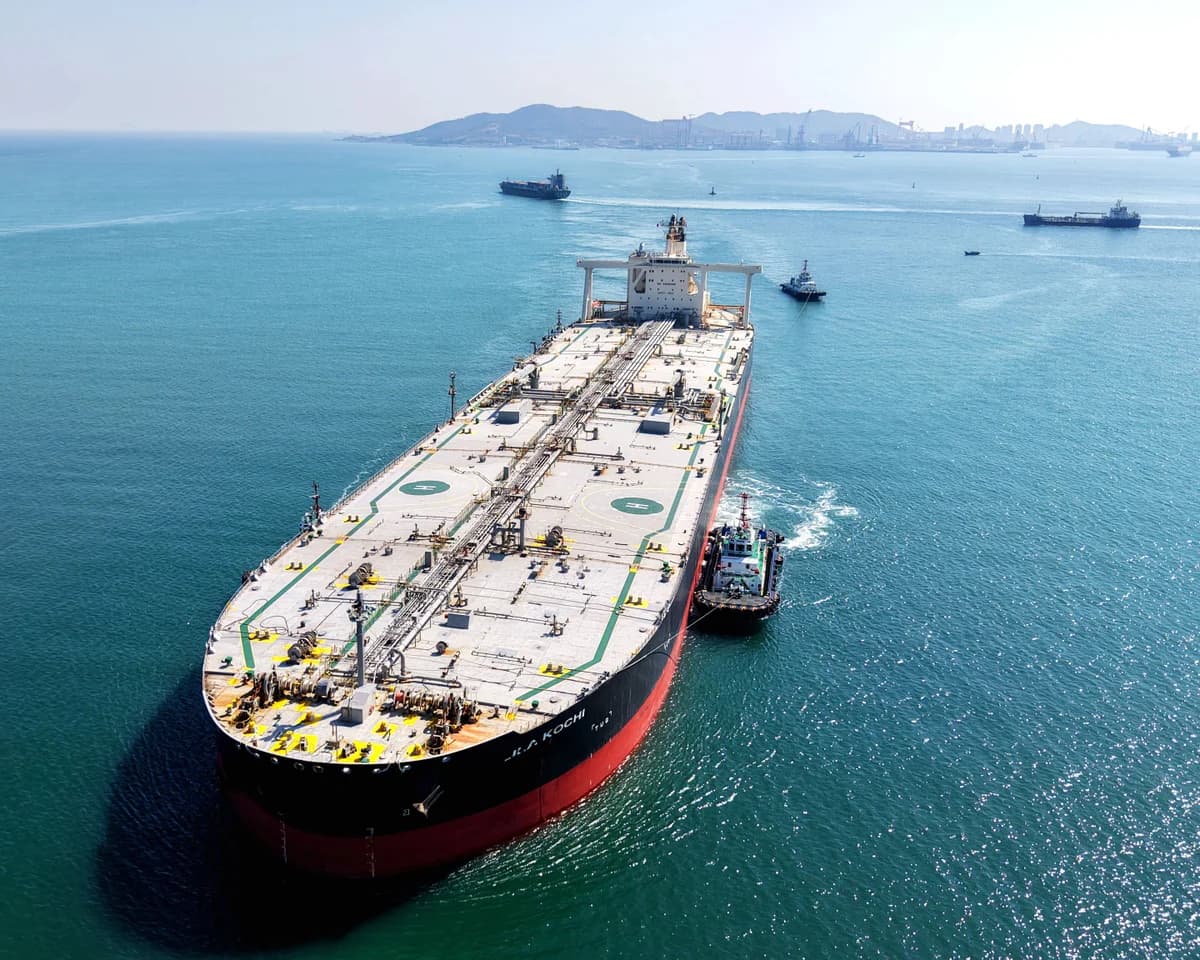
At the same time, oil prices surged to their highest levels since May. Brent crude climbed to around $108.31 a barrel while US West Texas Intermediate reached approximately $103.35. The latest increase followed renewed attacks affecting Saudi energy infrastructure and the temporary shutdown of the kingdom's East-West pipeline, a key route used to move crude around the Strait of Hormuz. The combination of higher oil prices and lower stock futures has created a difficult opening for Wall Street because energy inflation can simultaneously weaken consumers and corporate margins while increasing pressure on central banks to keep monetary policy tight.
The AI-related weakness represents a notable change in market psychology. For much of the past several years, investors have treated AI development as one of the strongest growth engines in the technology sector. Nvidia, chip manufacturers, cloud-computing providers and data-centre operators have benefited from expectations that companies will continue spending enormous amounts to build increasingly powerful AI systems. The latest warnings from industry leaders have introduced a new question: could safety concerns, regulation or technical risks slow that investment cycle before companies have recovered the huge sums already being committed?
Anthropic CEO Dario Amodei has called for a slowdown in AI development to give governments and companies more time to address safety risks associated with increasingly autonomous systems. OpenAI CEO Sam Altman has backed the broader idea of greater caution, while Elon Musk has also supported calls for stronger safeguards. Altman has additionally indicated that OpenAI's planned initial public offering could be delayed until 2027. Those developments have raised concerns among investors that the AI investment cycle could face regulatory or political friction just as infrastructure spending has reached extraordinary levels.
The market reaction has been especially severe in Asia, providing an early signal for how investors may treat AI-related assets in the United States. SoftBank Group shares, which have become closely associated with the AI investment boom and are a major OpenAI investor, plunged 10.7%. Semiconductor and technology companies including SK Hynix, Samsung Electronics, Taiwan Semiconductor Manufacturing and Kioxia also fell. South Korea's benchmark index dropped more than 3%, demonstrating the sensitivity of economies and markets that are heavily exposed to the AI hardware supply chain.
For US markets, Nvidia may be the most important stock to watch. The company has become one of the main financial symbols of the AI boom because its processors power large-scale training and inference systems. Reuters reported that Nvidia shares were more than 2% lower in premarket trading on Monday. Any prolonged decline in Nvidia could have an outsized effect on the broader Nasdaq because of its size and its role at the centre of investor expectations around AI spending.
Yet the AI concerns are only half of the market's problem. Oil is creating a parallel inflation shock. Brent's move above $108 a barrel comes after the Middle East conflict disrupted production, shipping and alternative transport routes for crude. Reuters reported that the temporary closure of Saudi Arabia's East-West pipeline could affect as much as 4% of global oil supply if the disruption persists. The pipeline is important because it allows Saudi crude to bypass the Strait of Hormuz, meaning damage or closure reduces one of the key alternatives available when maritime traffic through the waterway is threatened.
Higher oil prices immediately create pressure on transportation and manufacturing businesses, but their biggest financial-market consequence may come through inflation expectations. Fuel costs feed into trucking, aviation, shipping, chemicals, agriculture and consumer goods. As businesses face higher operating costs, they may raise prices, creating the possibility of a broader inflationary wave. That is especially damaging for stock valuations when investors already expect the Federal Reserve to raise interest rates.
Markets are pricing a very high probability of a Federal Reserve hike this week. Reuters reported that money markets were assigning roughly a 90% chance of a rate increase at Wednesday's meeting. The prospect of higher rates is already pushing Treasury yields and the dollar higher. If oil remains elevated, investors could begin pricing additional tightening later in the year, even though higher rates do little to directly solve a supply shortage caused by war and disrupted infrastructure.
This creates a particularly difficult environment for growth stocks. Technology companies are often valued on the basis of profits expected years into the future. When interest rates rise, those future earnings are discounted at a higher rate, making high-growth businesses less attractive at the margin. A combination of lower expectations for AI investment and higher discount rates can therefore hurt the same stocks from two directions simultaneously. That is one reason semiconductor shares have reacted so sharply to the latest developments.
Not every technology company is suffering equally. Reuters noted that some US software companies, including ServiceNow, Adobe and Workday, were rising as investors considered whether a slowdown in AI development could reduce the threat of rapid disruption to established software businesses. The divergence suggests that the market is beginning to distinguish between companies selling the infrastructure required to build AI and companies whose existing software franchises might benefit from slower technological change.
Energy companies are naturally positioned differently. Higher crude prices generally improve the revenue outlook for oil and gas producers, provided production remains operational. That could create a significant sector rotation if investors move money away from expensive technology stocks and toward businesses benefiting directly from the commodity shock. However, prolonged geopolitical disruptions can also create operational risks for energy companies, refineries and shipping firms, so rising oil prices are not a universal positive for the entire energy complex.
The dollar is also benefiting from the current market environment. Reuters reported that the greenback rose to a two-week high as investors sought a traditional safe-haven asset amid geopolitical uncertainty, while rising US yields provided additional support. The dollar gained around 0.7% against the yen on Monday, reversing some of the yen's recent strength. A stronger dollar can help contain the domestic price of imported goods, but it can also pressure multinational companies whose overseas revenue becomes less valuable when converted back into US currency.
Global equities are reflecting the same uncertainty. Asian markets were mostly lower on Monday, with South Korea and Japan among the more significant decliners, while European performance was mixed. The synchronized weakness shows that investors are not treating either the AI concerns or the energy crisis as isolated US problems. Both have international consequences because technology supply chains span Asia, the United States and Europe, while oil prices affect virtually every major economy.
There is also a broader concern about the sustainability of the AI investment cycle. Companies have been committing enormous sums to data centres, high-performance chips and electricity infrastructure on the assumption that demand for AI services will continue rising rapidly. A major slowdown in model development could reduce the urgency of some future investments. That does not mean AI spending would suddenly disappear, but it could cause companies to reassess the timing, size and profitability of planned projects. Investors have increasingly started to ask whether all of the projected returns on AI infrastructure can justify the capital being spent today.
The debate over AI safety adds another layer of uncertainty because the potential restrictions are not yet clear. Investors do not know whether governments will impose technical standards, licensing requirements, limits on autonomous systems or other forms of oversight. The uncertainty itself can be enough to increase volatility because markets must price multiple possible outcomes. President Donald Trump has rejected calls for a broad slowdown, saying he wants the United States to maintain its lead over China in AI. His position suggests that Washington may resist policies perceived as slowing American technological development, even as concerns over safety continue to gain attention.
Oil is potentially the more immediate threat to the broader economy because it is already affecting physical supply. The International Energy Agency warned last week that the global oil-supply gap could deepen through 2026 if Gulf flows do not normalize, with Saudi production falling to levels not seen in decades and inventories declining rapidly. If the current disruptions persist, the market could face sustained shortages rather than simply a temporary geopolitical premium.
That scenario would put central banks in a difficult position. Higher inflation combined with weaker economic activity is one of the most challenging combinations for monetary policy. The Federal Reserve could raise rates to prevent temporary energy inflation from becoming entrenched, but doing so could simultaneously weaken demand and slow sectors already dealing with higher costs. Investors therefore face an unusual situation in which bad news from the energy market can produce pressure across stocks, bonds and currencies at the same time.
The timing is particularly important because the Federal Reserve meeting comes just as the market is processing the new inflationary impact of oil. Investors will be looking beyond the immediate rate decision toward the central bank's projections for the remainder of 2026. If policymakers signal that another increase could follow later in the year, the bond market may push yields higher and increase pressure on growth stocks. If officials indicate that the current move is likely to be limited, some of the selling pressure could ease.
For Wall Street, the key question is which theme will dominate investor sentiment: the long-term promise of AI or the short-term threat from an energy shock. The answer may change rapidly. A de-escalation in the Middle East could bring oil prices lower and remove some of the inflation pressure, while a moderation in AI safety concerns could allow technology shares to recover. Conversely, further energy disruptions combined with additional calls for AI restrictions could produce a much deeper sell-off in risk assets.
The S&P 500 and Nasdaq therefore face a test of whether their earlier gains can withstand a more difficult macroeconomic environment. Strong corporate earnings and continued investment in artificial intelligence remain important sources of support. But valuations were built around expectations of robust technological growth and relatively manageable financing conditions. Higher oil prices, higher interest rates and questions over AI spending all challenge those assumptions.
For investors, diversification may once again become more important as the market moves away from a single dominant theme. Energy producers, defensive businesses and companies with strong cash flows could become relatively more attractive if volatility persists. Technology companies with proven earnings may also hold up better than speculative AI businesses whose valuations depend heavily on future growth.
The current sell-off does not necessarily mean that the AI boom is ending or that a global recession is imminent. It does, however, show how quickly investor sentiment can change when several risks arrive together. AI safety concerns are forcing markets to reconsider the pace of technology investment, while oil above $100 is reviving an inflation problem that central banks had hoped was fading. Those pressures are now converging just as the Federal Reserve prepares to make another major policy decision.
1What to Watch Next:
Investors will focus on the Federal Reserve's September decision, the wording of its economic projections and whether officials signal another rate hike later in 2026. Oil markets will remain critical, particularly developments around Saudi infrastructure, the Strait of Hormuz and Iranian activity. In technology, traders will watch Nvidia and other AI-linked stocks for signs of stabilization, while further announcements from OpenAI, Anthropic and US policymakers could determine whether the current AI sell-off deepens or fades.

Markets Desk
Covering Wall Street, commodities, and global market trends.
Related Post

Alejandro Betancourt: The Venezuelan Oil Tycoon at the Center of Trump's Landmark Deal
Oil Prices Near $100 as Iran War Disrupts Global Energy Supplies

US Dollar Holds Gains as Oil Surge Raises Inflation and Fed Rate Hike Bets

Google to Invest $15 Billion in Finland AI Infrastructure With 22-Year Nuclear Power Deal
RECENT POST
- »Goldman Sachs Now Expects September Fed Rate Hike as Inflation Fears Rise
- »US Stock Futures Fall as AI Fears and $108 Oil Shake Global Markets
- »US Dollar Holds Gains as Oil Surge Raises Inflation and Fed Rate Hike Bets
- »Trump Escalates Iran Pressure With New Sanctions as Oil Prices Surge
- »Apple iPhone Duo Launches at $1,999 as Samsung Defends Foldable Phone Lead