US Warns Siemens Industrial Devices Are Being Targeted as Water Infrastructure Faces Cyber Threats
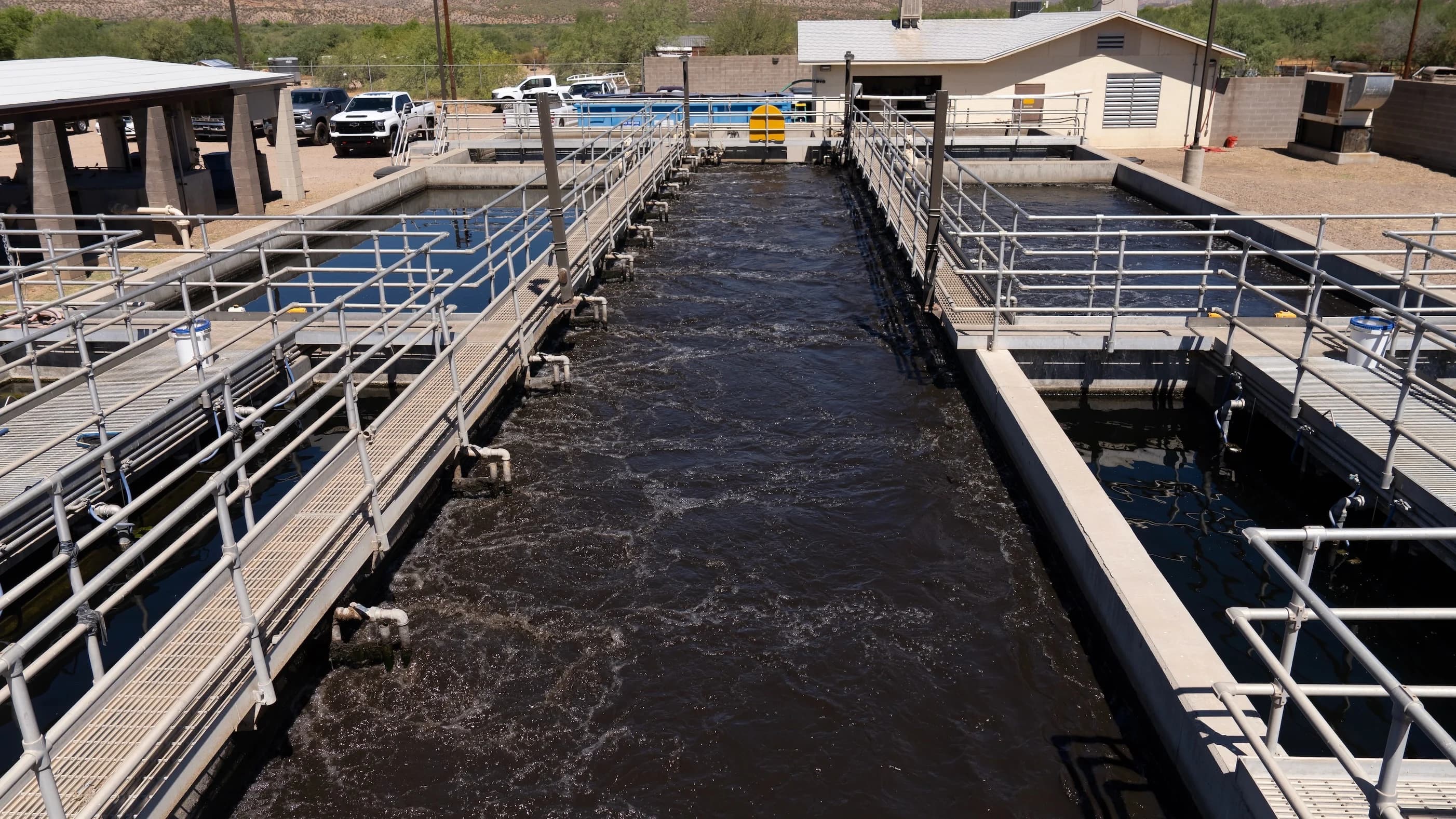
The U.S. has issued a cybersecurity warning about Siemens industrial control devices used in water facilities and other critical infrastructure systems, citing a growing wave of cyber assaults targeting essential services. Several federal agencies have warned of hackers actively targeting vulnerabilities in Siemens S7 Series programmable logic controllers (PLCs) that are commonly used to control and monitor industrial systems.
The advisory was released by the National Security Agency (NSA), Federal Bureau of Investigation (FBI), Department of Energy, Environmental Protection Agency and Cybersecurity and Infrastructure Security Agency (CISA). The threat is “active” and impacting many industries, including water and wastewater facilities, energy networks, manufacturing plants, chemical facilities and food production and agriculture systems, officials said.
This warning follows a number of cyber incidents that have hit local water systems in a number of US states. Cybersecurity experts are concerned some of the attacks could be tied to Iranian-linked hacking groups, but federal officials have not formally attributed the recent incidents to Iran.
The warning reflects rising concern about the vulnerability of industrial infrastructure as more critical services depend on digitally connected control systems.
Successful attacks could disrupt operations, create safety risks, damage equipment, expose sensitive information and cause wider disruptions across interconnected networks, officials warned.
1Warning on Siemens PLC Systems Critical Infrastructure
The government advisory cited Siemens S7 Series programmable logic controllers as a target for cybercriminals.
PLCs are computer controllers used for industrial processes. The purpose is to control equipment in water facilities such as pumps, treatment systems and monitoring operations. Similar systems are in use across energy, manufacturing and other critical industries.
Successful cyber intrusions may have consequences beyond the theft of data, as these devices are directly interfacing with physical infrastructure.
Federal agencies have warned that compromised industrial control systems could cause operational disruptions, damage equipment or create unsafe conditions depending on the environment affected.
The alert comes amid previous warnings from CISA about the growing targeting of industrial control systems. Earlier advisories have identified vulnerabilities impacting equipment from leading industrial technology companies like Siemens, Rockwell Automation and Schneider Electric.
Security professionals have turned their attention more and more to operational technology networks, many of which were built for reliability, not the modern security demands of internet-connected devices.
Industrial control environments are different from regular computer systems in that they are often involved in the management of physical processes. Such systems could be the target of a cyberattack that might disrupt water, manufacturing or energy supplies.
The latest warning is not that all Siemens systems are compromised, but officials urged operators to review their security practices, limit unnecessary network exposure and apply recommended protections.
Siemens had not publicly responded to the advisory.
2Water Systems Targeted as Iran Cyber Concerns Rise
The cybersecurity warning comes amid heightened tensions between the United States and Iran, which has raised concerns that geopolitical conflicts could spill over into cyberspace.
Cybersecurity officials have been tracking suspected Iran-linked activity targeting infrastructure networks including water systems.
But the US agencies have stopped short of formally confirming Iran was behind the latest attacks. President Donald Trump has previously disputed claims that Iran was behind some incidents and pointed to domestic sources following cyber events reported in Minnesota.
That uncertainty is a function of how hard it is to attribute cyberattacks. Cyber campaigns can use false identities, compromised systems and techniques to disguise the origin of an attack, unlike traditional military operations.
State-linked groups often target critical infrastructure because even small disruptions can create public concern and pressure governments, experts say.
Water facilities have become an increasingly worrisome area because they are essential services and often have less cyber security resources than larger government agencies or corporations.
The recent attacks have renewed debate on whether local infrastructure operators have enough funding and technical expertise to combat sophisticated threats.
Federal agencies have told utilities to bolster cybersecurity protections, including better network monitoring, isolating operational systems from public networks, and reviewing access restrictions.
This episode demonstrates that cyber assaults have become a key element of modern geopolitical competition.
3Artificial Intelligence-Driven Cyberattacks Easier to Start
U.S. officials also warned that hackers are increasingly using tools based on artificial intelligence to lower the expertise and time needed to create cyber exploits.
AI capabilities are enabling attackers to enhance their ability to discover vulnerabilities and develop techniques to target industrial systems,” the advisory says.
Security agencies are increasingly concerned about the use of AI in cyber operations as it reduces technical barriers for attackers.
In the past, exploiting complex industrial systems required deep specialised knowledge of programming, engineering and operations of infrastructure.
Attackers can use AI tools to analyse technical information, generate malicious code and automate parts of the attack process.
But cybersecurity researchers are also using AI defensively to find vulnerabilities, detect unusual activity and improve response times.
One of the defining issues regarding cybersecurity has become the growing competition between AI-powered attacks and AI-based defences.
Industrial systems are different in that a lot of them run 24/7 and can’t easily be shut down to apply security updates.
“Companies that are custodians of critical infrastructure need better security planning that includes technology upgrades in addition to employee training and emergency response plans,” experts say.
Siemens’ warning illustrates a bigger challenge for governments around the world: how to protect ageing infrastructure in an era of rapidly changing cyber assaults.
4US Boosts Protection of Critical Infrastructure Networks
The new warning is part of broader US efforts to improve security of critical infrastructure against cyber assaults.
Water systems, energy networks, transportation systems and manufacturing facilities are increasingly targeted by cybercriminals and state-linked groups.
U.S. government officials urged infrastructure operators to improve cybersecurity practices, including regular vulnerability assessments, better monitoring and faster response procedures.
The problem is especially acute for smaller utilities that do not have the resources of large corporations or federal agencies.
Many water systems in the United States rely on interconnected technologies that predate the advent of cybersecurity as a major concern.
Improving these systems needs a massive investment, technical expertise and coordination between government agencies and private operators.
The latest advisory underscores the increasing need to protect operational technology networks, not just traditional computer systems.
Cyber security experts say attacks on industrial systems could have real-world consequences because they involve physical processes.
The warning also points to the shifting nature of national security.
Modern conflicts are fought increasingly with digital operations alongside traditional military strategies. Critical infrastructure is a potential target.
As tensions between world powers increase, governments are preparing for a future in which cyberattacks could be used to disable vital services without actually declaring war.
US agencies are for now telling organisations that use Siemens industrial systems and other critical technologies to brace defences and watch for potential attacks.
Related Post
Apple May Bring iPhone Clipboard Sharing to Windows PCs With New Cross-Platform Feature

Snapchat Introduces New Measures to Fight Low-Quality AI Content Across Its Platform
Trump Weighs AI Controls After OpenAI Security Incident

Linus Torvalds Says AI-Driven Bug Finding Has Made Huge Linux Kernel Updates the New Normal
RECENT POST
- »Bitcoin Surges Above $70,000 After Trump Urges Congress to Pass Crypto Regulation Bill
- »US Warns Siemens Industrial Devices Are Being Targeted as Water Infrastructure Faces Cyber Threats
- »Reddit Shares Jump 11 After SP 500 Inclusion Announcement
- »Dow, S&P 500 and Nasdaq Hold Near Records as Investors Assess Fed Rate Outlook
- »Twitch Allows Amazon AI Training on Stream Content as Creators Receive New Opt-Out Option