Dow, S&P 500 and Nasdaq Hold Near Records as Investors Assess Fed Rate Outlook
Share:
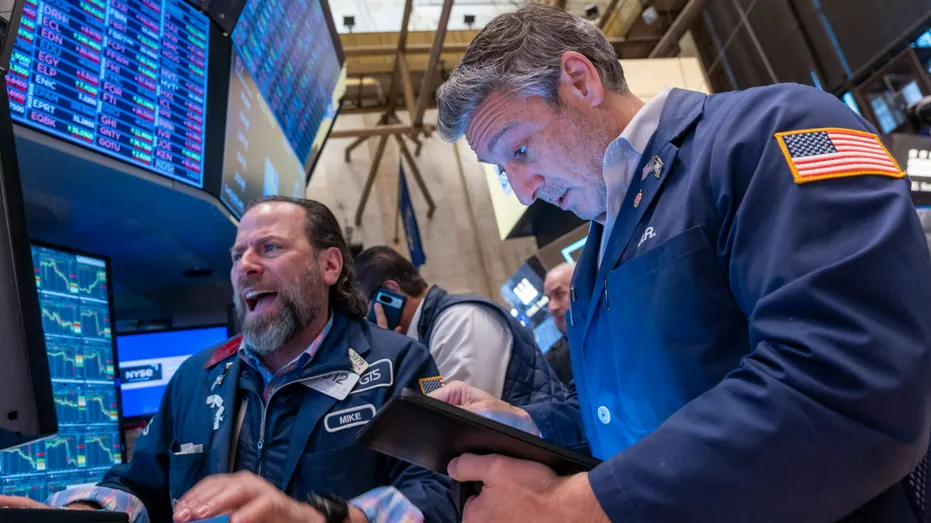
US equities are hovering near record territory as investors weigh a supportive inflation backdrop against renewed geopolitical and energy market risks. The S&P 500 hit another record high on Thursday, with the Nasdaq also rising slightly as investors reacted to softer wholesale inflation and strong tech-sector performance.
The S&P 500 rose roughly 0.7% to 7,798.99 Thursday, and the Nasdaq Composite gained 0.8% to 26,803.03. The Dow Jones Industrial Average added about 0.1% to close at 53,839.99.
Signs that inflation pressures might be easing have helped the latest rally, easing fears that the Federal Reserve will have to keep monetary policy restrictive for longer. Weaker-than-expected July producer-price data helped to push Treasury yields lower and boosted hopes that another interest-rate hike may not be necessary in September.
Investors remain focused on artificial intelligence and semiconductor stocks, which have been some of the biggest drivers of the broader market. Technology stocks have remained in favor on the back of strong corporate earnings and sustained hopes for spending on AI infrastructure.
## S&P 500 Hits New Record as Inflation Pressure Cools
Another milestone for the US equity market is the S&P 500’s latest record close. The index rose 0.7% Thursday, adding to gains as July’s producer-price data gave investors another indication that inflation may be cooling.
The Producer Price Index was flat in July after a 0.1% drop in June, missing economists’ forecasts for a 0.2% increase. The softer reading boosted expectations that the Federal Reserve may not need to raise interest rates at its September meeting.
That development matters for equities as lower inflation can take pressure off the Fed to keep or increase restrictive interest rates. Lower Treasury yields can also help to make growth stocks relatively more attractive, particularly technology companies whose valuations are based primarily on future earnings.
Recent consumer inflation data had pointed to moderation and a more favorable environment for investors. Cooling inflation and robust corporate earnings have aided the S&P 500 and Nasdaq to inch closer to a third straight week of gains.
The market also underscored how swiftly investor sentiment can change if economic data alleviates fears of more monetary tightening.
But the inflation outlook is still a bit fluid. Oil prices have jumped amid heightened geopolitical tensions around Iran, potentially reigniting inflationary pressures. Higher energy prices can influence transportation, manufacturing and consumer prices.
That leaves investors watching both the economy and energy markets to try to gage what the Federal Reserve will do next.
## AI & Semiconductor Stocks Continue to Drive Market Movements
Artificial intelligence continues to be a major driver of the rally in the U.S. stock market. Semiconductor and technology companies have attracted strong investor interest as businesses continue to invest heavily in AI infrastructure, computing capacity and data centers.
Memory-chip and semiconductor stocks have been among the biggest gainers in trading. Shares of SanDisk jumped 14% Thursday after the company provided upbeat long-term revenue and margin expectations and Micron, Arm and other chip-related stocks also rallied.
The rally in semiconductor stocks is robust as investors are increasingly seeing chip demand as one of the clearest indicators of the durability of the AI investment cycle.
Nvidia continues to be a major focus going into its August 26 earnings report. Its results have made the company one of the most closely watched stocks in the market, offering investors a window into demand for AI computing infrastructure.
But not all of the technology companies have prospered equally. Shares of Cerebras plunged after investors pressed the company on its revenue growth, while Cisco also dipped after providing cautious guidance.
The mixed performance suggests investors are becoming more selective within the AI trade.
Big profits and signs of continued demand can still produce huge gains, but companies are being asked more and more to prove that the money they’re spending on AI is translating into continued revenue and profits.
That dynamic may become even more relevant as the market moves further into the second half of 2026. Investors are no longer simply betting on an AI boom, but rather increasingly judging which companies are best placed to capture the economic value generated by that investment.
## Oil Prices Skyrocket, Iran Tensions Linger as Wall Street Faces New Risk
U.S. stocks are reaching new highs, but geopolitical risks remain a significant threat to market stability.
Oil prices climbed Friday on renewed tensions involving Iran and uncertainty about the future of the conflict. Brent crude climbed on the United States' hint at imposing an indefinite naval blockade of Iran and ceasefire talks still stalled, Reuters reported.
Higher oil prices are a challenging backdrop for financial markets as they could simultaneously raise inflation expectations while eroding consumer purchasing power.
The recent drop in oil prices was one of the things that had been underpinning investor sentiment. US oil futures eased about 2.4% on Thursday, easing inflation concerns and helping set the stage for a positive market backdrop.
That Friday reversal is thus an important change in the market backdrop.
And if energy prices remain high, investors might start to fret that inflation will prove more stubborn than recent economic data suggests. That could complicate the Federal Reserve’s policy decisions and possibly temper expectations for interest-rate cuts or hikes in the future.
The situation around the Strait of Hormuz is especially important because the waterway is a key route for oil shipments worldwide. The effects of any long-lasting disruption could be felt beyond financial markets.
For now investors are relatively calm. Despite the geopolitical risks, the VIX sat around 14.6 Friday, meaning traders weren't pricing in unusually high near-term volatility.
That resilience speaks to the strength of corporate earnings and the ongoing excitement around AI stocks, but also implies markets could become more sensitive if energy disruptions worsen.
## Investors Look To Retail Sales, Fed’s Next Moves
The next leg of the market rally will be highly reliant on incoming economic data and Federal Reserve commentary.
Investors will pore over July retail sales figures for clues on the strength of the US consumer. Economists are looking for only modest increases in retail sales, and the University of Michigan’s August consumer-sentiment survey will be another measure of household confidence.
The data will be especially telling as markets seek to gage whether the US economy can continue to expand even as inflation nears the Federal Reserve’s favored path.
The market narrative is also likely to remain centered on Fed officials. Chicago Fed President Austan Goolsbee is optimistic about easing inflation, but other policymakers continue to debate how quickly monetary policy should change.
Investors will have another major opportunity to gage the Fed’s policy direction at the upcoming Jackson Hole symposium.
The market enters this period in a place of considerable strength. The S&P 500 is at record highs; the Nasdaq is close to its highs and stocks related to AI are attracting capital. The S&P 500 was up roughly 13.9% year to date and the Nasdaq had risen about 15.3% as of Thursday.
But record highs also increase the stakes. And with geopolitical and inflation risks still looming, investors now have to decide if earnings growth can justify the higher valuations.
The big question for Wall Street is whether robust corporate earnings, spending on artificial intelligence and easing inflation will keep outweighing risks from energy prices, central banks and global conflicts.
Tags:
Dow Jones
,S&P 500
,Nasdaq
,Wall Street
,stock market
,Federal Reserve
,inflation
,AI stocks
,semiconductor stocks
,oil prices
,interest rates
Related Post

Global Markets Rise as AI Stocks Rebound While Investors Monitor Iran Tensions and Trump Policies
Markets Desk|July 22, 2026

Wall Street Rises as Investors Await Inflation Data While AI Stocks and Rate Cuts Drive Sentiment
Michael Chen|August 11, 2026

Brent and WTI Slide as U.S.–Iran Tensions Ease; Global Oil Markets React
Markets Desk|July 27, 2026

Emerging Markets Hit by AI Tech Selloff as Investors Question Sustainability of Chip Rally
Tech Desk|August 6, 2026
RECENT POST
- »Reddit Shares Jump 11 After SP 500 Inclusion Announcement
- »Dow, S&P 500 and Nasdaq Hold Near Records as Investors Assess Fed Rate Outlook
- »Twitch Allows Amazon AI Training on Stream Content as Creators Receive New Opt-Out Option
- »Apple Seeks Publisher Deals to Give Siri AI Access to Real-Time News Content
- »Xbox Elite Series 3 Controller Leak Reveals Built-In Screen, Cloud Gaming Features and Replaceable Battery