Nike Tightens China Online Sales Strategy as Sportswear Giant Battles Declining Demand and Local Rivals
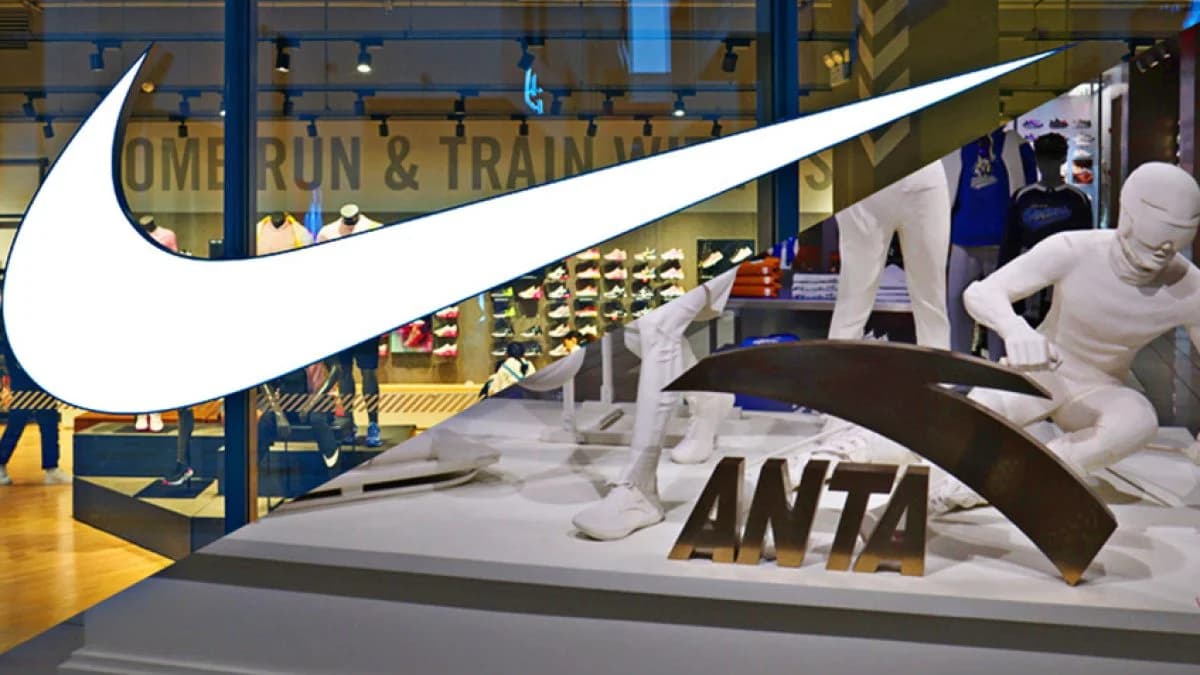
Nike is reshaping its e-commerce sales strategy in China as it tries to regain momentum in a key overseas market. The company said it will reduce sales through thousands of third-party distributor channels online and move to a more curated digital retail system focused on official Nike platforms and select online marketplaces.
From January, Nike’s own digital storefronts in China, including its website and app and official stores on major e-commerce platforms including Tmall, JD.com and Douyin, will sell a larger share of the company’s products online in China. “Wholesale partners that are currently selling Nike products online will be moving some of that focus to physical retail.”
The move represents a major shift for Nike’s business in China, which has long relied on a broad network of retail partners to sell products across the country’s cutthroat online shopping ecosystem. But the marketplace was becoming more fragmented, making it harder to maintain consistency in pricing, brand presentation and the customer experience, Nike executives said.
“We want to make our products more premium, more trustworthy so that consumers are guided to official channels,” said Cathy Sparks, vice president and general manager for Greater China at Nike. The strategy is designed to reduce customer confusion, protect brand equity and encourage more full price purchases instead of deep discounting across multiple online platforms.
Nike faces growing pressure in China, where local sportswear brands are gaining ground and consumers are becoming more discerning with their spending. Brands such as Anta and Li Ning are well positioned selling products popular with Chinese consumers, competing hard on price, innovation and local marketing.
Nike Wants More Control of its Brand as Sales Fall in China
The move comes as Nike’s China business is struggling. Greater China has long been a key growth market for Nike, but the company’s latest financial results show continued weakness as demand is hit by economic uncertainty, changing consumer tastes and stronger local competition.
Sales in the Greater China region fell sharply in recent quarters, weighing on CEO Elliott Hill’s broader turnaround strategy, Nike said. The company said it had seen signs of improvement in some markets, but China is still one of the biggest challenges for Nike as it tries to return to growth and build stronger consumer relationships.
The company believes that by owning its own online marketplace, it can solve many problems. With thousands of independent digital storefronts selling Nike products, we face challenges around inconsistent pricing, product presentation and customer service standards. Nike says fewer official channels will help it better manage inventories, promotions and consumer engagement.
But analysts have questioned whether simply changing distribution would solve Nike's China woes. Some industry observers say the company’s problem is not just how it sells its products but whether its products still appeal to Chinese consumers. Local brands have been gaining traction, designing and marketing in a way that’s more relevant to local tastes.
The company’s restructuring also fits into a wider trend among global brands in China. With online marketplaces becoming more competitive and consumers demanding more personalized shopping experiences, many international companies are rethinking their digital strategies. Nike will have to strike a balance between controlling its brand and having sufficient market presence to compete with local rivals that are still expanding their online and offline networks.
Nike to End Distributor-Led Online Sales, Impacting Retail Partners
The strategic move by Nike is likely to be a challenge for some of its retail partners in China that relied on Nike’s online sales. The announcement caused a big market reaction for some of the big distributors as investors considered the loss of online Nike revenue streams.
More emphasis on physical retail, customer service and other sportswear brands will mean retailers with Nike online stores will have to change their business models. Nike has maintained relationships with select partners, but the company’s move devalues the general third-party online distribution.
That move by Nike has risks for retailers, and opportunities. Some partners may be able to build stronger ties to their own brands and wider product portfolios by leaving Nike’s e-commerce sales, even if it may hurt revenue in the immediate future.
The shift also mirrors growing tensions between global brands and the big online marketplaces. Companies want more control over customer relations, pricing and brand identity. Digital platforms have historically provided a means for products to reach millions of consumers from a variety of sellers.
Nike's move is consistent with a broader direct-to-consumer strategy that many big brands have been pursuing in recent years. Companies aim to improve loyalty programs, gain better data on consumers and increase profit margins by taking more control of the customer journey.
But direct control means more operations duties. Now, through its official online channels, Nike needs to deliver the convenience, prices and product selection that Chinese consumers have come to expect with modern e-commerce channels.
Nike Faces Tough Competition as China Sportswear Market Expands
Nike’s China shake-up comes amid intensifying competition in the sportswear market there. Local brands are on a high-growth trajectory fueled by strong local brand awareness and growing consumer appetite for products designed in China.
For instance, Anta and Li Ning have invested heavily in innovation, athlete sponsorships and digital marketing campaigns in order to reach Chinese consumers. They have come to challenge the domination once enjoyed by the international sportswear giants and have made firms such as Nike and Adidas rethink their strategy.
Chinese consumer behavior has changed dramatically too. Younger shoppers are placing more importance on authenticity, cultural relevance, sustainability and unique product experiences than on reputation. This has created space for local companies who understand the local tastes better.
Nike is trying to solve this by being more aggressive in localization efforts, including better product development and developing products specifically for Chinese consumers. The company has also created leadership roles to better understand trends in local markets.
Nike’s new online strategy will depend on its capacity to combine more control over distribution with greater product appeal. There could be some consistency if the numbers of online sellers was scaled back but to keep the consumer excited is going to take innovation, competitive pricing and more customer engagement in China.
Investors will be watching closely as Nike starts to roll out the changes to see if the strategy stabilizes sales in China or presents more challenges in an already competitive market. The company is hoping a more managed digital ecosystem will help it claw its way back into the embrace of one of the world's largest sportswear markets.

Emily Rodriguez
Emily Rodriguez covers global business trends and corporate strategies.
Related Post

Meta Whistleblower Sues Company Over Alleged Attempt to Silence Memoir ‘Careless People’

Ryanair CEO Michael O'Leary Signs New Contract With Potential £130M Payout

A Gift of Movement: Britannia Financial Group, Serpentine and the Public Legacy of Jesús Rafael Soto

Apollo Launches £5.7 Billion Takeover Offer for easyJet, Outbidding Rivals
RECENT POST
- »The 2026 Climate Milestone: Global Emissions Peak and the Path Downward
- »Family Offices in 2026: Shifting from Preservation to Planetary Impact
- »Trump-Backed Moore Captures Alabama GOP Senate Nomination
- »Meta Whistleblower Sues Company Over Alleged Attempt to Silence Memoir ‘Careless People’
- »Meta to Manufacture Its Own AI Chips as It Expands Computing Capacity