Global Markets Slide as AI Stock Selloff, Iran Tensions and Rate Uncertainty Shake Investors
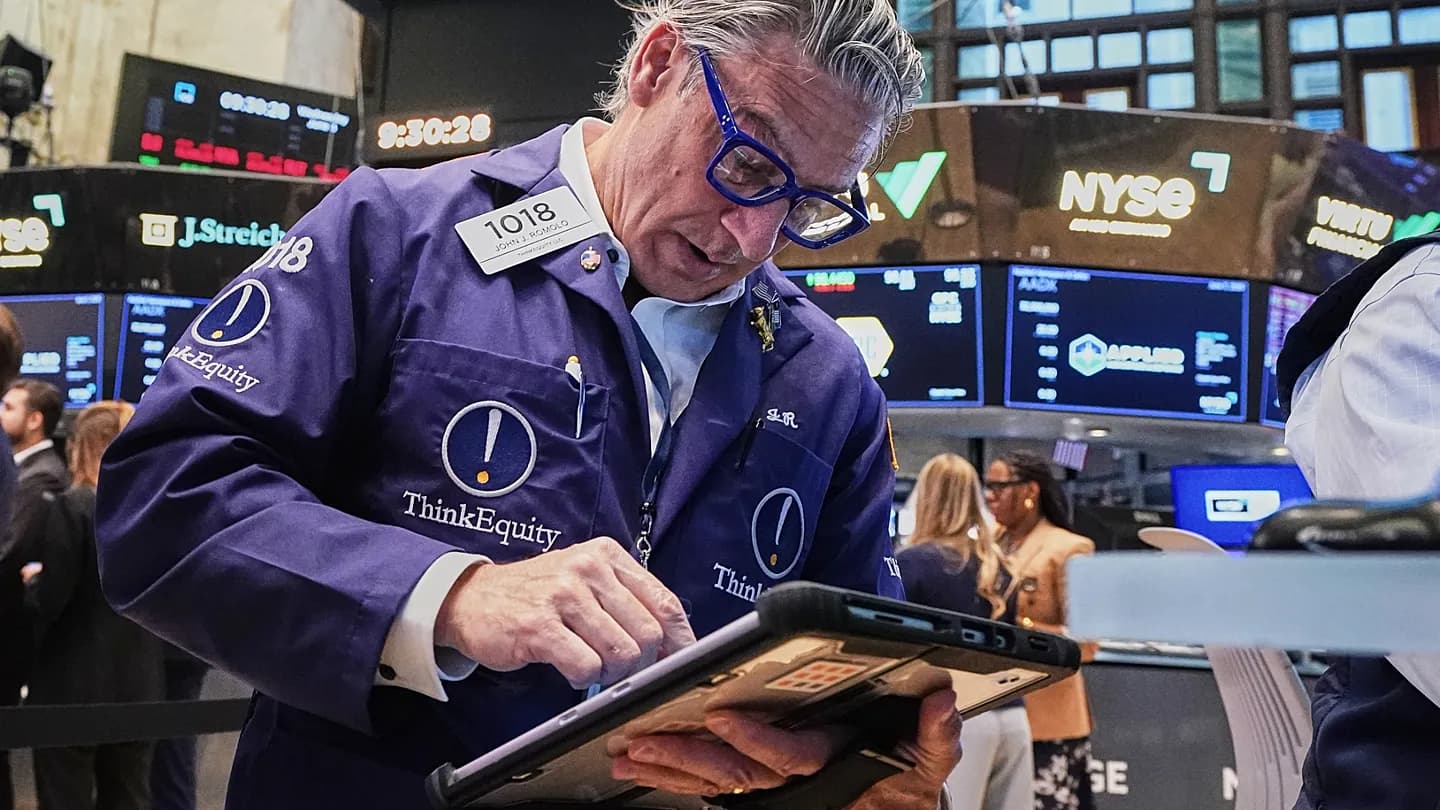
A new wave of volatility shook financial markets around the world as investors faced a perfect storm of pressures including a sharp sell-off in artificial intelligence-related tech stocks, rising geopolitical tensions in the Middle East and higher oil prices and uncertainty about future interest rate decisions. US, European and Asian stocks fell as traders offloaded their holdings of high-growth technology companies that have been behind much of the rally of late. Among the biggest losers were semiconductor companies as investors questioned if valuations for AI had gotten too far ahead of business fundamentals. The market fall is a sign of a change in investor mood as optimism about artificial intelligence growth clashes with concerns about the economy, the risk of inflation and geopolitical instability.
AI Stock Boom at Critical Crossroads
Artificial intelligence has been one of the biggest drivers of global markets, creating huge demand from investors for semiconductor companies, cloud providers and technology giants. But signs are emerging in recent days that the AI-powered rally could be running out of steam. Big tech and chip makers that had benefited from a massive investment boom in AI fell sharply as investors reassessed valuations and trimmed positions in crowded trades. The sell-off weighed on some of the world’s biggest technology companies, with semiconductor stocks particularly hard hit. Investors are now watching to see if the huge spending on AI infrastructure will pay off quickly enough to justify current market valuations.
Stocks Fall; Semiconductors Lead Losses
The latest market slump has been in the semiconductor area. Demand was strong for companies producing AI chips, memory technology and advanced computing infrastructure as companies invested heavily in artificial intelligence (AI) systems. But too much optimism spooked investors and they took their profits. Technology-oriented market indexes fell sharply, with Asian markets among the worst hit. The Taiwanese stock market fell as heavy selling hit chip-related companies and Japan’s tech sector weakened. The slump came despite strong profits from some of the largest semiconductor companies, suggesting investors are looking past current results and to expectations of future growth.
Wall Street Stressed as Tech Weaknesses Continue
U.S. markets were also lower, with technology shares weighing on the major indexes. The Nasdaq Composite was the worst performer among major U.S. indexes as investors dumped artificial intelligence and semiconductor stocks. The S&P 500 also fell, even as a number of companies posted good earnings. Market analysts attributed the decline to concerns that AI-focused companies had become overvalued after months of strong gains. Non-tech companies lagged the broader market, but big AI stocks meant the sector’s declines had a disproportionate effect on the overall indexes.
New Geopolitical Pressure from the Iran Conflict
Adding to the technology problems, rising tensions involving the United States and Iran added another layer of uncertainty for global investors. Renewed violence in the Middle East has raised concerns about energy supplies, shipping routes and inflation pressures. The situation around the Strait of Hormuz, one of the world’s most important energy transit routes, is closely watched by financial markets. A long-lasting disruption would cut the world’s supply of oil and drive up costs for businesses and consumers. Traders’ assessment of the possible effect of the ongoing instability led to gains in oil prices.
Oil Prices Climb, Impacting Energy Markets
Energy markets have responded quickly to higher geopolitical risks. Brent crude prices rose as investors weighed the risk of supply disruptions from tensions in the Middle East. Central banks are concerned about higher oil prices as they could add to inflation pressures when policymakers are trying to balance economic growth with price stability. Higher crude prices benefited energy companies, but more uncertainty weighed on industries heavily tied to fuel and transportation costs.
Fed Rate Expectations Color Market Outlook
Interest rate expectations are still driving investors’ decisions. Markets are eyeing inflation data and Federal Reserve policy signals for hints of rate cuts or further tightening. High-for-longer interest rates can be a drag on technology companies as investors discount future earnings more heavily when borrowing costs are high. And at the same time lower rates could help growth stocks if inflation fears recede. The blend of geopolitical uncertainty and inflation risks makes the Fed’s next moves harder to predict.
Investors Turn to Safe Haven Assets
In uncertain markets investors tend to move money into safer assets. When risk appetite falls, government bonds, defensive stocks and some commodities are usually in greater demand. The latest market move points to more caution after a long run-up fueled by optimism about technology. “They are not necessarily throwing in the towel on artificial intelligence as a long-term theme but they are becoming more selective on valuations and on individual companies.
Global Markets: Risk v Growth
Today, the marketplace environment is a clash between two giant forces. Meanwhile, artificial intelligence is driving corporate spending, investment and innovation. Meanwhile, investors are more worried that growth could be constrained ahead by economic conditions, inflation, interest rates and geopolitical conflicts. And that tension has created more volatility in the daily market, more uncertainty.
Impact On China, Asian Markets Globally
Asian markets under heavy pressure as tech, semiconductor stocks tumble. Investors also weighed risks to the global economy and the impact of weaker technology sentiment that affected markets in China. Markets today are interdependent, so a weakness in one major sector can quickly ripple through regions. Technology supply chains, especially for semiconductors, link firms in the U.S., Taiwan, South Korea, Japan and China.
What's Next on Investors' Radar
Investors are watching several key events: future earnings reports from AI companies, and if those investments can deliver sustained returns. They’re also keeping an eye on the demand for semiconductors, a key barometer for the health of the tech sector overall. The Federal Reserve’s interest rate decisions and policymakers’ response to changing inflation data across the world’s largest economies are also in focus. Development in the oil prices continue to be a key concern especially with the ongoing geopolitical tensions in the Middle East. Investors are watching tensions between the U.S. and Iran, which could roil energy markets and world trade if they flare. The path of these factors will probably decide if the recent market selloff is a short-term correction or the start of a longer period of volatility.
Markets Enter New Phase of Uncertainty
The recent selloff across global markets indicates investors are becoming more cautious following years of strong tech-led expansion. Artificial intelligence continues to be one of the largest investment themes in the global economy but expectations are being scrutinized more closely. But the inflation risks and the geopolitical tensions are also a reminder that markets are exposed to external shocks. This uncertain backdrop facing Wall Street and the wider world means the tug-of-war between AI optimism and economic reality will remain one of the biggest drivers of financial markets in 2026

Markets Desk
The Markets Desk provides breaking news and analysis on global financial markets.
Related Post

Securitize Tokenizes $295M of Stock on Solana and Avalanche After NYSE Listing in Landmark Crypto IPO Moment
Global Markets Slip as Semiconductor Sell-Off Overshadows TSMC's Record Profit
Oil Markets React After U.S. Strikes Iran as Traders Watch Strait of Hormuz Risks
World Markets Fall While Oil Hits One-Month High After Trump's Strait of Hormuz Move
RECENT POST
- »The 2026 Climate Milestone: Global Emissions Peak and the Path Downward
- »Family Offices in 2026: Shifting from Preservation to Planetary Impact
- »Trump-Backed Moore Captures Alabama GOP Senate Nomination
- »Meta Whistleblower Sues Company Over Alleged Attempt to Silence Memoir ‘Careless People’
- »Meta to Manufacture Its Own AI Chips as It Expands Computing Capacity