Panama Canal to Cut Daily Ship Transits as El Niño Threatens Water Supplies
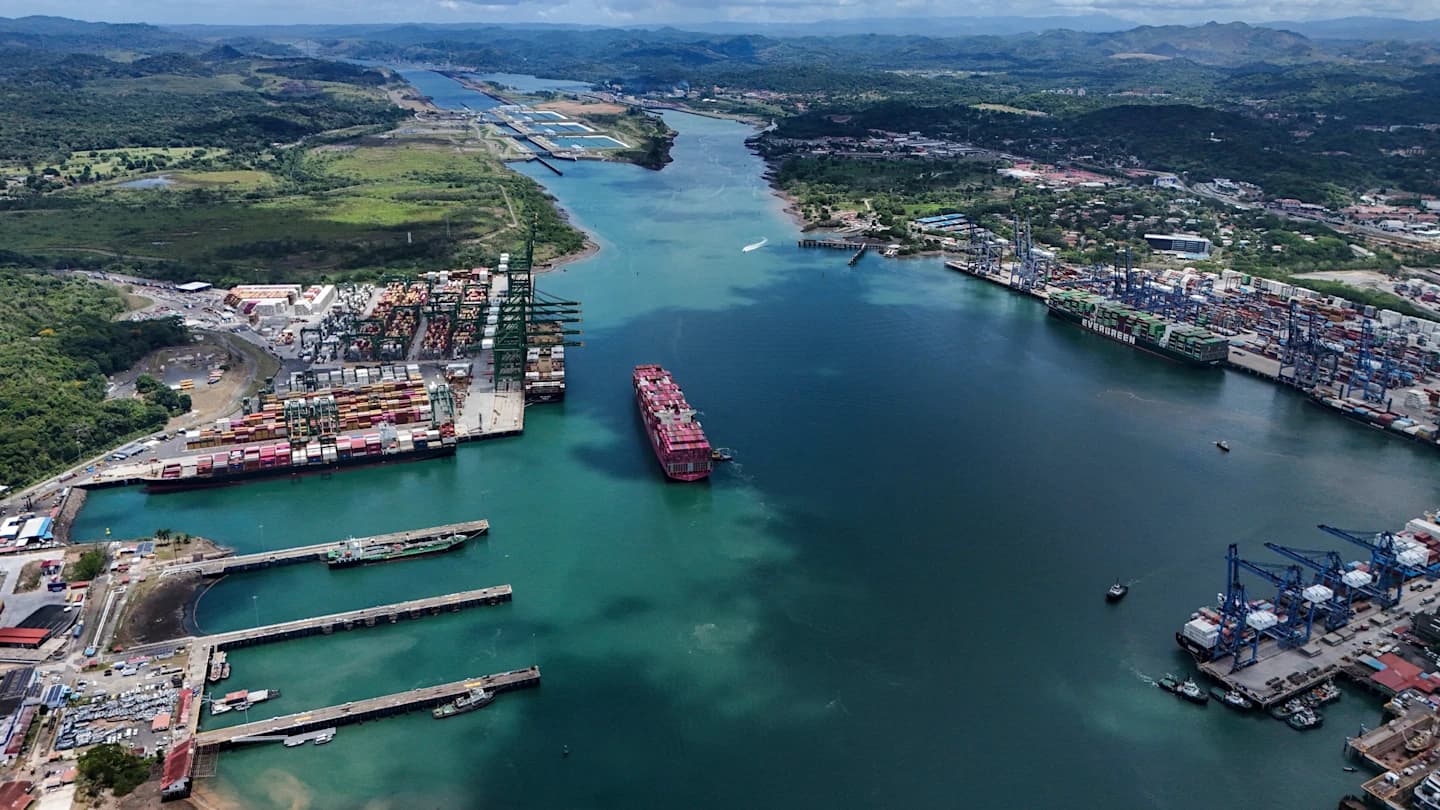
The Panama Canal is preparing to reduce the number of ships allowed to pass through the vital waterway as an intensifying El Niño weather pattern threatens to bring lower rainfall and falling water levels to the canal's watershed. The Panama Canal Authority said daily vessel transits will be reduced beginning in September, with the number of crossings eventually falling to 32 ships per day, down from the current level of around 36. The decision represents another major challenge for global shipping companies that rely on the canal to move cargo between the Atlantic and Pacific oceans without having to make the much longer journey around South America.
The canal's decision is primarily driven by concerns over water availability. Unlike conventional sea-level waterways, the Panama Canal depends heavily on freshwater reservoirs to operate its locks. Every vessel passing through the canal requires large quantities of freshwater to raise and lower the ship between different elevations. That water eventually flows toward the ocean, meaning prolonged drought can directly restrict the canal's ability to handle traffic. The authority said rainfall between May and August was approximately 34% below the historical average, while inflows into the canal's watershed were around 44% below normal, raising concerns about whether existing water supplies will be sufficient if dry conditions continue.
The restrictions will be introduced gradually. From early September, the canal will reduce its daily capacity to 34 vessels, before lowering the number further to 32 ships per day from September 15. The authority is also adjusting the number of available slots at its different lock systems. The larger Neopanamax locks will have nine daily transit slots, while the older Panamax locks will eventually be limited to 23 slots. The measures are designed to conserve water while keeping the canal operational and avoiding the much more severe restrictions experienced during the previous drought.
The situation is particularly significant because the Panama Canal is one of the world's most important trade routes. It provides a shortcut between the Atlantic and Pacific, allowing vessels carrying containers, agricultural commodities, energy products and other goods to avoid sailing around the southern tip of South America. The waterway handles more than 3% of global maritime trade, meaning prolonged capacity restrictions can have consequences well beyond Panama. Shipping companies may have to adjust routes, delay cargo, pay higher transit fees or use alternative routes if the restrictions become more severe.
Shipping companies are already preparing for the possibility of higher costs and delays. The canal experienced a similar crisis during the severe drought of 2023 and 2024, when authorities progressively reduced the number of vessels allowed to transit. At the height of that crisis, daily capacity fell dramatically, forcing some shipping companies to reroute vessels or compete for limited transit slots. The experience demonstrated how quickly a weather-related disruption in Panama can spread through international supply chains, particularly when alternative shipping routes are significantly longer and more expensive.
The latest restrictions also come at a time when global shipping markets are already facing considerable uncertainty. Geopolitical conflicts have disrupted several important maritime routes, forcing shipping companies to reconsider traditional trade corridors. Higher insurance premiums, longer voyages and increased fuel consumption have already pushed up transportation costs in some parts of the world. Any additional limitation on the Panama Canal could therefore place further pressure on freight rates and supply chains, particularly for businesses transporting goods between Asia, the United States and Europe.
Another important concern is the maximum amount of cargo vessels can carry through the canal. The authority has already introduced tighter draft restrictions, limiting how deeply large vessels can sit in the water. When draft limits are reduced, ships may be forced to carry less cargo in order to pass safely through the locks. This means that even when a vessel successfully obtains a transit slot, it may not be able to operate at full capacity. The Panama Canal Authority recently announced further draft restrictions as water levels came under pressure, illustrating how water shortages can affect shipping capacity in multiple ways.
The restrictions could also affect Panama's economy. The canal is one of the country's most important sources of government revenue, generating nearly $3 billion during fiscal 2025. Fewer ship crossings could therefore reduce transit-related income if restrictions remain in place for an extended period. At the same time, Panama has a strong incentive to protect its water resources because the same reservoirs supporting canal operations are also important for the country's domestic water supply. The canal authority has emphasized that water management is not simply a shipping issue but a broader national resource challenge.
The authority's decision also represents a change from its earlier expectations. In May, Panama Canal officials had indicated that they did not expect to impose transit restrictions during 2026, saying water reserves were sufficiently strong and that conservation measures were already being implemented. Conditions have since deteriorated faster than expected, with rainfall significantly below normal and forecasts pointing toward a potentially prolonged El Niño event. The authority now says it must take preventive action rather than wait until water levels reach critically low levels.
El Niño is a naturally occurring climate pattern involving unusually warm ocean temperatures in the tropical Pacific, but its effects can extend across the globe. In Panama, strong El Niño conditions can contribute to hotter and drier weather, reducing rainfall in the watershed that supplies the canal's reservoirs. The expected 2026-27 El Niño is raising particular concern because forecasts suggest it could be unusually strong and potentially long-lasting. Canal officials have said the experience of the 2023-24 drought has given them greater preparation and discipline in managing water during periods of severe weather stress.
For global businesses, the latest decision highlights the growing vulnerability of critical infrastructure to extreme weather. Ports, canals, railways, highways and energy infrastructure all depend on stable environmental conditions, and disruptions can quickly translate into higher costs for companies and consumers. The Panama Canal is particularly important because there are limited alternatives that can match its combination of speed, capacity and geographic convenience. If restrictions continue for months, shipping companies may have to make longer-term adjustments to their networks and schedules.
The immediate impact is expected to depend heavily on how severe and persistent the El Niño conditions become. If rainfall returns and reservoir levels recover, the canal could eventually restore higher transit capacity. If the dry conditions worsen, however, further restrictions could become necessary. For now, the Panama Canal Authority says it will continue monitoring water levels and weather forecasts closely and will provide shipping companies with updates as conditions change.
The latest restrictions are therefore more than a temporary adjustment to shipping schedules. They demonstrate how a changing climate pattern can affect one of the world's most important trade routes and create consequences for companies thousands of kilometres away. With global supply chains already under pressure from geopolitical disruptions and rising transportation costs, businesses will be watching the Panama Canal closely in the months ahead. The ability of Panama to manage its limited freshwater resources could determine whether the latest restrictions remain a manageable inconvenience or develop into another major disruption for international trade.
Related Post

EU Approves $110 Billion Paramount-Warner Bros Merger as US Review Continues

Paramount Delays Warner Bros. Discovery Deal as Antitrust Battle Moves to Court

Twitch Allows Amazon AI Training on Stream Content as Creators Receive New Opt-Out Option

Paramount CEO David Ellison Threatens California Exit Over Warner Bros. Merger Dispute
RECENT POST
- »Keir Starmer Donates His Own Biography to Historic Downing Street Library
- »Panama Canal to Cut Daily Ship Transits as El Niño Threatens Water Supplies
- »Bitcoin Surges Above $70,000 After Trump Urges Congress to Pass Crypto Regulation Bill
- »US Warns Siemens Industrial Devices Are Being Targeted as Water Infrastructure Faces Cyber Threats
- »Reddit Shares Jump 11 After SP 500 Inclusion Announcement