Paramount Delays Warner Bros. Discovery Deal as Antitrust Battle Moves to Court
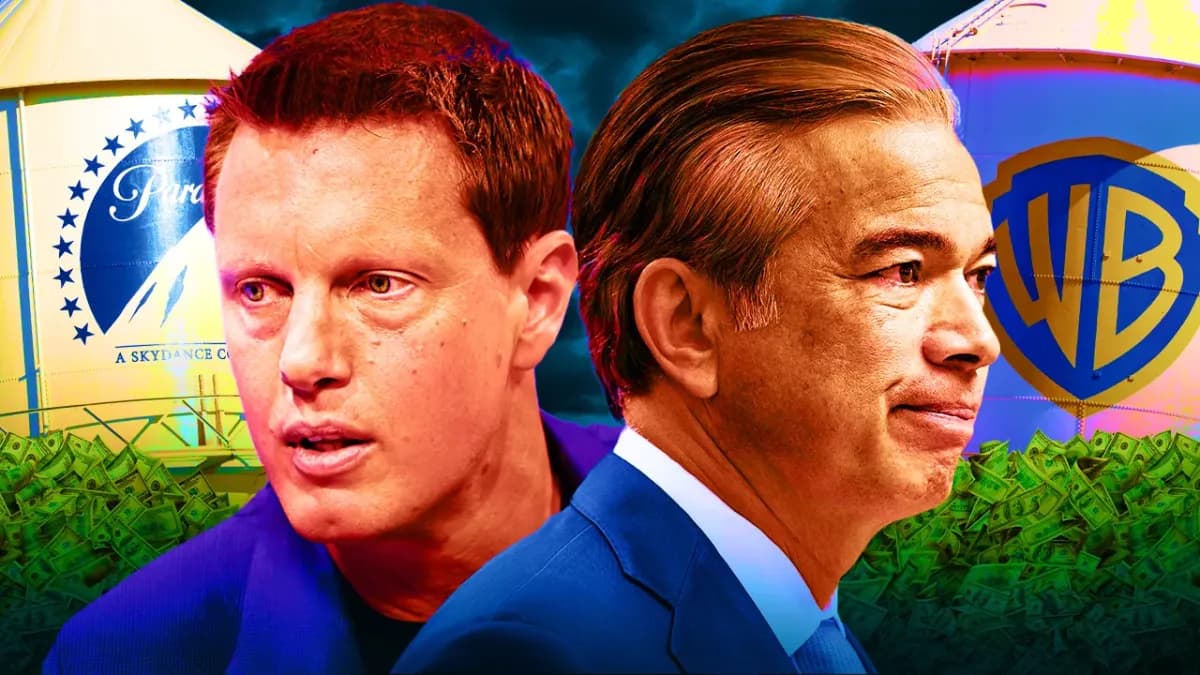
Paramount Skydance and Warner Bros. Discovery have agreed to delay the closing of their proposed merger as the companies face a major legal challenge from U.S. states concerned that the deal could lessen competition in the entertainment industry.
The deal puts the $110 billion agreement on hold while an antitrust lawsuit makes its way through the courts, casting uncertainty on one of the biggest proposed mergers in Hollywood. The companies now expect the legal process to take until 2027, having initially sought to complete the acquisition by the end of 2026.
The merger would unite two major entertainment companies with huge film studios, TV networks, streaming services and content libraries. Supporters say the combination would be a stronger competitor to global streaming giants such as Netflix and Disney, while critics say it could concentrate too much power in one media company.
Antitrust Suit Poses Hurdle for Hollywood Deal
The delay comes after a lawsuit by California and 11 other U.S. states against the Paramount-Warner Bros. combination. The deal could hurt competition by giving the combined company more clout in movie distribution, television programming and licensing markets, state officials say.
The lawsuit has become one of the biggest obstacles for Paramount CEO David Ellison’s plans to transform the company into a bigger global media player. A federal judge previously issued a temporary halt to the acquisition as the court weighs arguments from both sides.
Fewer big entertainment companies could mean higher prices for consumers, fewer options for audiences and fewer opportunities for creators, state officials have said. Paramount has dismissed those claims, saying the merger would enhance competition in a fast-evolving media landscape.
Paramount Faces Financial Pressure from Delay
The legal hold could be lucrative for Paramount Skydance. Under the terms of the agreement, Paramount may have to pay more money if the transaction is not completed in a timely manner.
Shareholders might be owed large “ticking fees” while they wait for the legal process to play out, Reuters reported, putting more pressure on Paramount leadership to settle the dispute quickly.
The delay also creates uncertainty for employees, investors and the wider Hollywood industry. Both companies have been working on potential restructuring and integration plans, but those efforts may now be on hold until the court case is resolved.
Hollywood Expansion Plan Under Pressure for David Ellison
The Warner Bros. Discovery deal is a big part of David Ellison’s efforts to expand Paramount Skydance’s footprint in entertainment.
The deal would combine Paramount’s film and TV assets with Warner Bros.’ historic studio operations, HBO-related properties and massive entertainment catalogue. Backers say the combination would produce a stronger company able to compete in the global streaming market.
But critics are saying the merger could reduce competition across Hollywood. Critics have raised concerns over the impact on movie theaters, independent producers, choice in streaming and media diversity.
The legal battle has also become part of a broader debate about consolidation in the entertainment industry, with Ellison’s ambitions at its centre.
Media Consolidation Fueled by Streaming Competition
The Paramount-Warner Bros. deal arrives at a time when legacy entertainment companies are racing to keep up with technology-driven streaming services.
As competition in the streaming space heats up, companies across Hollywood have been looking for greater scale, stronger content libraries and better financial efficiencies. Paramount says it could spend more efficiently on content creation and digital platforms if it pooled its resources with Warner Bros.
But opponents say too much consolidation could hurt competition instead of help it. The lawsuit’s result could affect the way future media mergers are scrutinized in the United States.
Court Decision Could Define Hollywood’s Future
The fate of the Paramount-Warner Bros. merger now depends on the outcome of the antitrust proceedings. A court ruling could decide whether one of Hollywood’s biggest proposed mergers moves ahead or becomes an also-ran in the long history of failed media consolidations.
The delay is a big test of Paramount’s strategy for growth. The uncertainty raises questions about the direction of Warner Bros. Discovery and its long-term competitive position.
The case is expected to be a big test of how U.S. regulators and courts treat big entertainment mergers in the era of streaming services, artificial intelligence and changing consumer habits.

Sarah Jenkins
Sarah Jenkins covers media industry news and corporate business strategies.
Related Post
EU Approves $110 Billion Paramount-Warner Bros Merger as US Review Continues
Nike Tightens China Online Sales Strategy as Sportswear Giant Battles Declining Demand and Local Rivals

A Gift of Movement: Britannia Financial Group, Serpentine and the Public Legacy of Jesús Rafael Soto

Apollo Launches £5.7 Billion Takeover Offer for easyJet, Outbidding Rivals
RECENT POST
- »The 2026 Climate Milestone: Global Emissions Peak and the Path Downward
- »Family Offices in 2026: Shifting from Preservation to Planetary Impact
- »Trump-Backed Moore Captures Alabama GOP Senate Nomination
- »Meta Whistleblower Sues Company Over Alleged Attempt to Silence Memoir ‘Careless People’
- »Meta to Manufacture Its Own AI Chips as It Expands Computing Capacity