Panama Canal to Reduce Daily Ship Traffic as El Niño Drives Drought

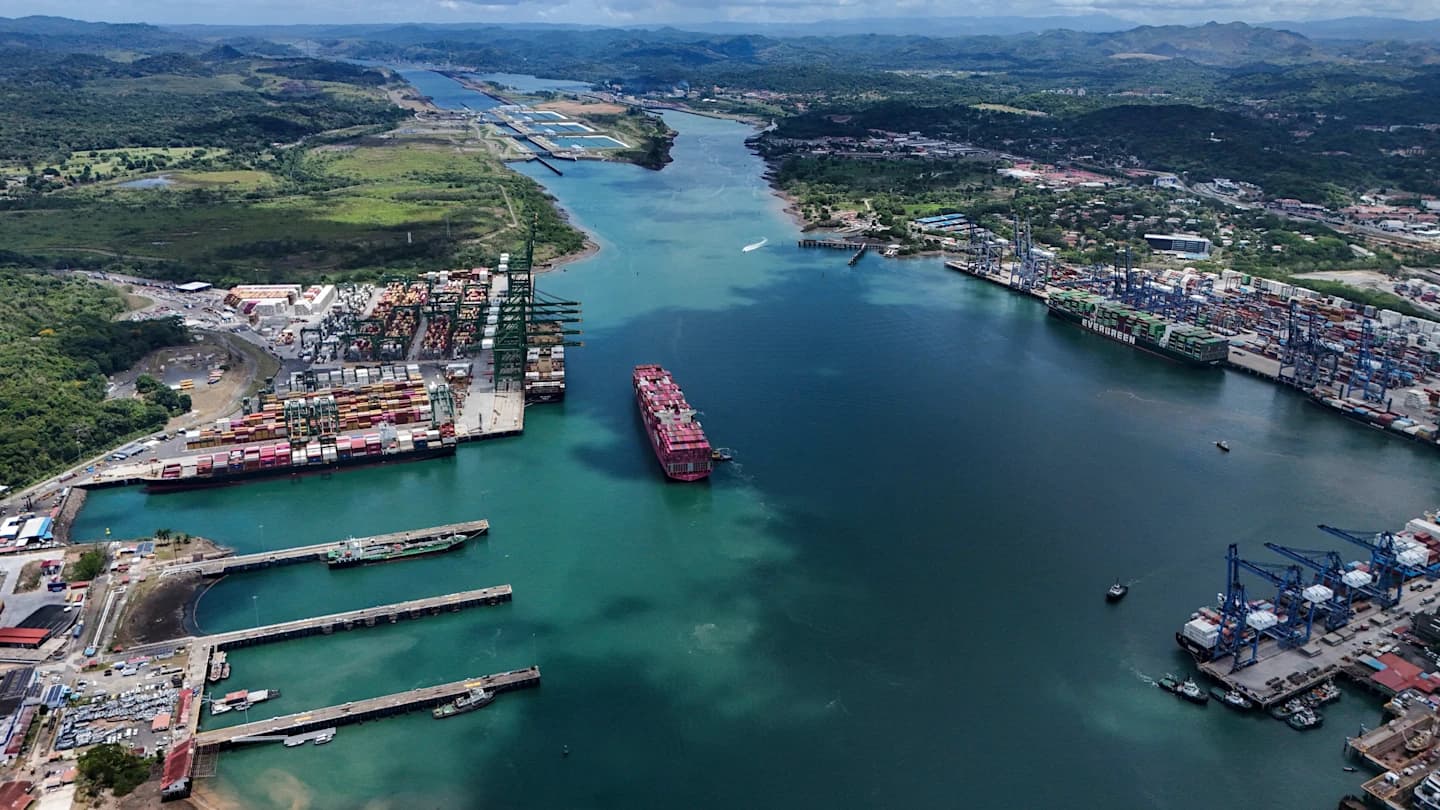
The Panama Canal is preparing to reduce the number of vessels allowed to pass through the crucial waterway as an intensifying El Niño weather pattern threatens to reduce rainfall and water supplies in Panama. The Panama Canal Authority announced that daily transit capacity will be reduced to 34 ships from September 4, followed by a further reduction to 32 vessels per day from September 15. The decision reflects concerns over falling water levels in the canal's reservoirs and comes after rainfall across the canal watershed ran significantly below historical averages during the recent months. The move is likely to increase pressure on global shipping networks that already face disruptions, higher costs and longer alternative routes.
Unlike the Suez Canal, which connects two seas at approximately sea level, the Panama Canal depends on a system of freshwater-fed locks to lift ships over the terrain separating the Atlantic and Pacific oceans. Every vessel that passes through the locks requires large volumes of freshwater from reservoirs including Gatun Lake and Lake Alajuela. When rainfall declines and reservoir levels fall, canal operators must carefully restrict the amount of water used for each transit. This makes the canal particularly vulnerable to extended periods of drought. The return of El Niño has therefore become a major operational concern because the weather pattern can alter rainfall across Panama and leave less freshwater available for both shipping and local communities.
The latest figures show why authorities have become increasingly cautious. Rainfall between May and August was 34% below the historical average, while inflows into the canal's watershed were approximately 44% below normal, according to the canal authority. Those figures have increased concerns that water supplies could deteriorate further as El Niño strengthens. The authority is attempting to act before conditions reach the extreme levels experienced during the 2023-24 drought, when transit restrictions became significantly more severe and caused widespread disruption for shipping companies.
The reduction in vessel numbers is significant because the Panama Canal is one of the world's most strategically important trade routes. It provides a much shorter connection between the Atlantic and Pacific than sailing around South America's Cape Horn region. Ships carrying containers, liquefied natural gas, agricultural commodities, petroleum products and other cargo rely on the waterway to reduce journey times and fuel consumption. Any reduction in capacity therefore has the potential to raise transportation costs across multiple industries. Shipping companies unable to secure a canal slot may have to wait, reroute, or adjust their cargo strategies depending on the type of vessel and destination.
The new restrictions are being introduced in stages. Starting September 4, the total number of daily booking slots will fall to 34, including nine slots for larger Neopanamax vessels. From September 15, the daily total will decline to 32 as Panamax slots are reduced from 25 to 23. The authority says the measures are intended to conserve water and maintain reliable operations rather than shut down or severely restrict the canal. However, it has warned that further changes could become necessary if water conditions deteriorate further.
The latest restrictions are already affecting the economics of canal transit. Limited booking slots have encouraged shipping companies to compete for priority access through auctions, pushing some transit costs sharply higher. Financial reports indicate that auction prices for scarce slots have reached extraordinary levels, with some large-vessel positions attracting bids worth millions of dollars. For shipping operators, paying a premium to cross the canal can still make financial sense when compared with the additional fuel, crew costs and time required to travel through alternative routes. But those extra costs ultimately have the potential to spread through global supply chains and reach importers and consumers.
The situation is particularly complicated because global maritime trade is already facing pressure from geopolitical disruptions. The conflict involving Iran has altered shipping patterns and increased demand for alternative routes and energy transportation, adding to congestion across major trade corridors. As a result, a reduction in Panama Canal capacity comes at a particularly difficult moment for shipping companies. Some vessels are already being rerouted around the Cape of Good Hope or through other longer routes, increasing fuel consumption and journey times. The combination of weather-related restrictions in Panama and geopolitical disruption elsewhere could make global logistics significantly more expensive.
The effects could also extend beyond shipping companies themselves. Importers and exporters use canal transit times when planning inventories, factory production and delivery schedules. If vessels face longer waiting periods, businesses may have to hold more stock or find alternative transportation options. Manufacturers dependent on imported components could face delays, while retailers may experience higher freight costs. Energy markets could also be affected if LNG and other fuel shipments have to take longer routes. In an increasingly interconnected global economy, even a relatively small reduction in the capacity of a major waterway can create ripple effects across industries far from the canal itself.
Panama also faces a difficult economic balancing act. The canal generates billions of dollars in revenue for the country and represents one of its most important economic assets. Reducing traffic could eventually affect toll income, but allowing vessels to continue operating at high levels without sufficient water could create more serious long-term problems. The canal authority therefore has to manage two competing priorities: protecting the water resources needed for future operations while maintaining as much commercial traffic as possible today. The authority has also emphasized that freshwater from the canal watershed is important not only to shipping but to Panama's domestic water needs.
Authorities have been developing longer-term strategies to make the canal less vulnerable to changing weather patterns. One possibility is the development of additional reservoirs, including the proposed Río Indio reservoir, which could provide another source of water for canal operations and nearby communities. Such projects could improve resilience, but they also face environmental and political challenges. The broader problem is becoming increasingly urgent as climate variability creates greater uncertainty over rainfall patterns and water availability. The Panama Canal's experience demonstrates how critical infrastructure designed around historical weather conditions can become vulnerable when those conditions change.
For the global shipping industry, the biggest question now is whether the latest restrictions will remain temporary or become the beginning of a much larger capacity crisis. Weather forecasts suggest that El Niño could strengthen further during the 2026-27 northern hemisphere winter, increasing the risk of continued drought conditions. If reservoir levels continue falling, the Panama Canal Authority could be forced to introduce additional limits on vessel numbers, cargo weight or draft. That would increase pressure on already stretched international shipping networks and could contribute to higher freight rates and broader supply-chain inflation.
The Panama Canal's latest decision is therefore more than a local response to bad weather. It is an example of how climate patterns can directly affect international commerce, infrastructure and corporate costs. With the canal handling a significant share of global maritime trade, businesses around the world will be watching water levels in Panama as closely as they monitor fuel prices, shipping disruptions and geopolitical developments. Whether El Niño remains a manageable seasonal challenge or turns into another prolonged shipping crisis will depend largely on rainfall over the coming months and the canal's ability to protect its increasingly valuable freshwater reserves.
Related Post
Panama Canal to Cut Daily Ship Transits as El Niño Threatens Water Supplies

Paramount Delays Warner Bros. Discovery Deal as Antitrust Battle Moves to Court

Twitch Allows Amazon AI Training on Stream Content as Creators Receive New Opt-Out Option

Paramount CEO David Ellison Threatens California Exit Over Warner Bros. Merger Dispute
RECENT POST
- »TikTok Agrees to $400 Million US Settlement Over Children's Privacy Violations
- »Panama Canal to Reduce Daily Ship Traffic as El Niño Drives Drought
- »Keir Starmer Donates His Own Biography to Historic Downing Street Library
- »Panama Canal to Cut Daily Ship Transits as El Niño Threatens Water Supplies
- »Bitcoin Surges Above $70,000 After Trump Urges Congress to Pass Crypto Regulation Bill