Trump Warns Iran on Nuclear Weapons as U.S. Builds Military Presence Ahead of Talks
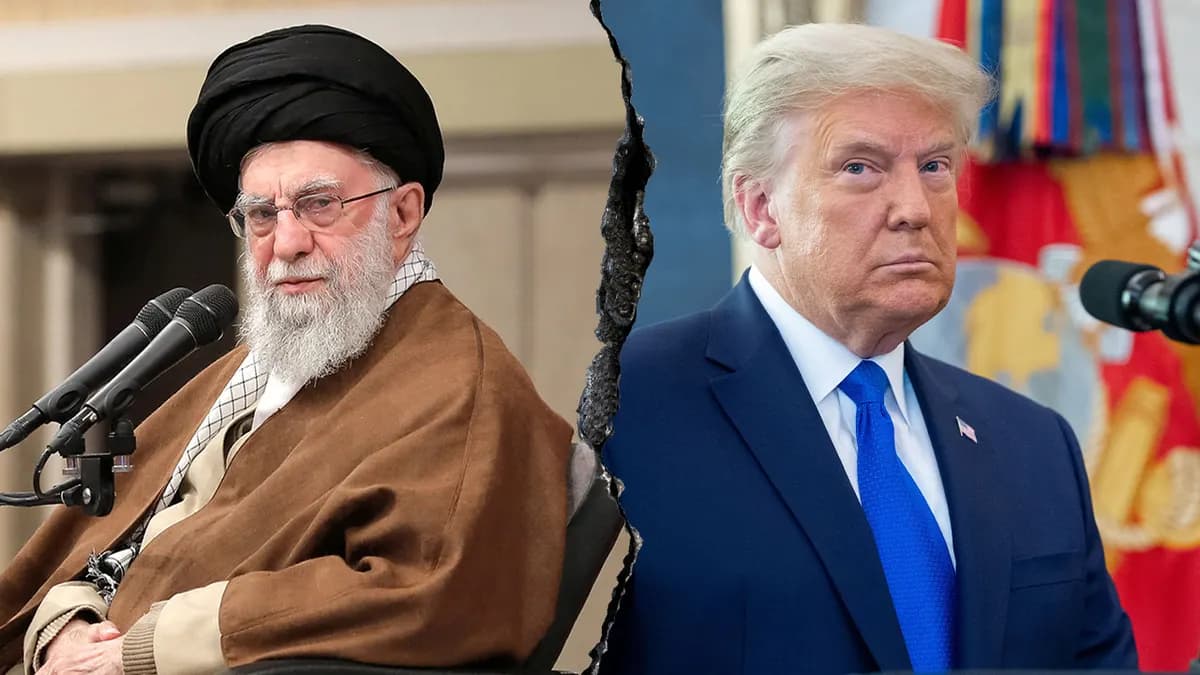
President Donald Trump warned during his State of the Union address that he will never allow Iran to acquire nuclear weapons, as the U.S. escalates its military presence in the Middle East and prepares for high-stakes nuclear negotiations in Geneva.
During his State of the Union speech on Tuesday, President Donald Trump stated that he wants to prevent Iran from acquiring nuclear weapons. "I will never allow the world's No. 1 sponsor of terror, which they are by far, to have a nuclear weapon," the leader stated. "Can't let that happen." President Trump also warned that Iran is developing long-range missiles capable of reaching U.S. soil.
They've already developed missiles that can threaten Europe and our bases overseas, and they're working to build missiles that will soon reach the United States of America.
Trump stated that his "preference is to resolve this problem through diplomacy," but made clear that military options remain on the table. The remarks came during his first State of the Union address of his second term.
Military Buildup and Security Assessments
As the Trump administration prepares to reopen discussions with Iran over its nuclear program, the United States has been increasing its military presence in the Middle East with the largest deployment of American warships and aircraft in decades. The Pentagon has deployed dozens of warships, two aircraft carrier strike groups, fighter jets, refueling aircraft, and air defense systems near Iran.
In an assessment released earlier this year, the Defense Intelligence Agency estimated that Iran may develop 60 intercontinental ballistic missiles (ICBMs) by 2035. "Iran has space launch vehicles it could use to develop a militarily-viable ICBM by 2035 should Tehran decide to pursue the capability," the DIA stated. On Monday, the State Department ordered the evacuation of non-emergency workers from the U.S. Embassy in Beirut.
Diplomatic Efforts and Nuclear Talks
Despite the military buildup, the Trump administration has not ruled out diplomacy. Special envoy Steve Witkoff and Trump's son-in-law Jared Kushner are scheduled to meet with Iranian officials in Geneva, Switzerland, for another round of nuclear talks. Iran wants to make a "deal" more than the United States, President Trump claimed Tuesday, though Tehran's refusal to commit to not developing nuclear weapons remains the biggest obstacle.
Iranian Foreign Minister Abbas Araghchi told CBS's "Face the Nation" that he was still working on a compromise plan that would address both sides' "concerns and interests." Iran has indicated willingness to export half of its most highly enriched uranium, dilute the remainder, and form a regional enrichment consortium — in exchange for sanctions relief and recognition of its right to enrich uranium. The previous rounds of negotiations failed to produce a breakthrough.
Escalating Tensions and Deadlines
Tensions have risen considerably as Washington increases its military presence in the region. Trump set a two-week deadline for Tehran to secure a nuclear deal, warning that "really bad things" will happen unless Iran agrees to a compromise. Trump also confirmed he was considering limited airstrikes on Iran if talks fail, following the second session of Geneva negotiations where Iranian President Masoud Pezeshkian stated talks had "yielded encouraging signals" but warned Iran was prepared for "any potential scenario."
Market and Energy Impact
Oil prices rose on fears of looming military action. U.S. West Texas Intermediate crude jumped 41 cents, or 0.62%, to $66 per barrel, while Brent futures rose 45 cents, or 0.64%, to $71.20. Further escalation could push U.S. crude oil prices beyond $70 and potentially toward $80 per barrel, though analysts note geopolitically driven rallies are often short-lived.
Domestic Politics and State of the Union Context
Trump's speech comes amid a turbulent domestic backdrop: the Supreme Court recently struck down his sweeping tariffs, a partial government shutdown of the Department of Homeland Security is ongoing, and public surveys show the president losing popularity for his economic policies ahead of the November 2026 midterm elections. Trump was expected to highlight his administration's accomplishments and make his case for keeping his party in power, while commemorating America's 250th anniversary of independence.

Michael Chen
Michael Chen covers U.S. foreign policy, military affairs, and global geopolitics for The Quest for Profit.
Related Post
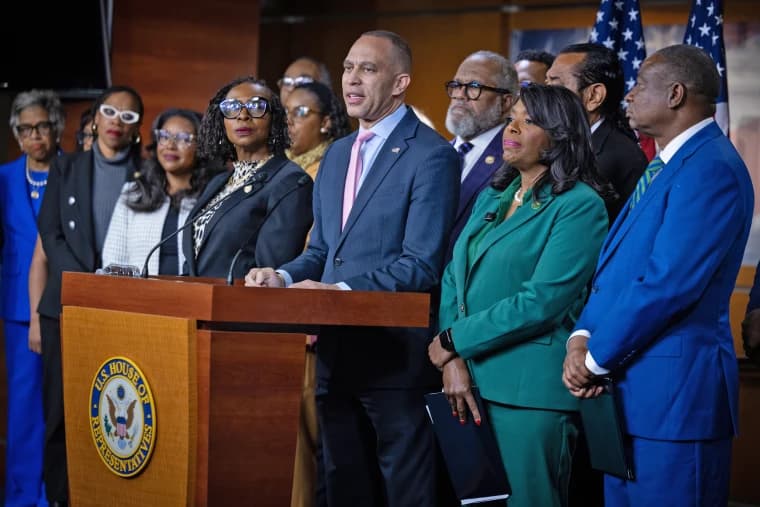
Louisiana Republicans Advance Congressional Map Reducing Majority-Black Districts
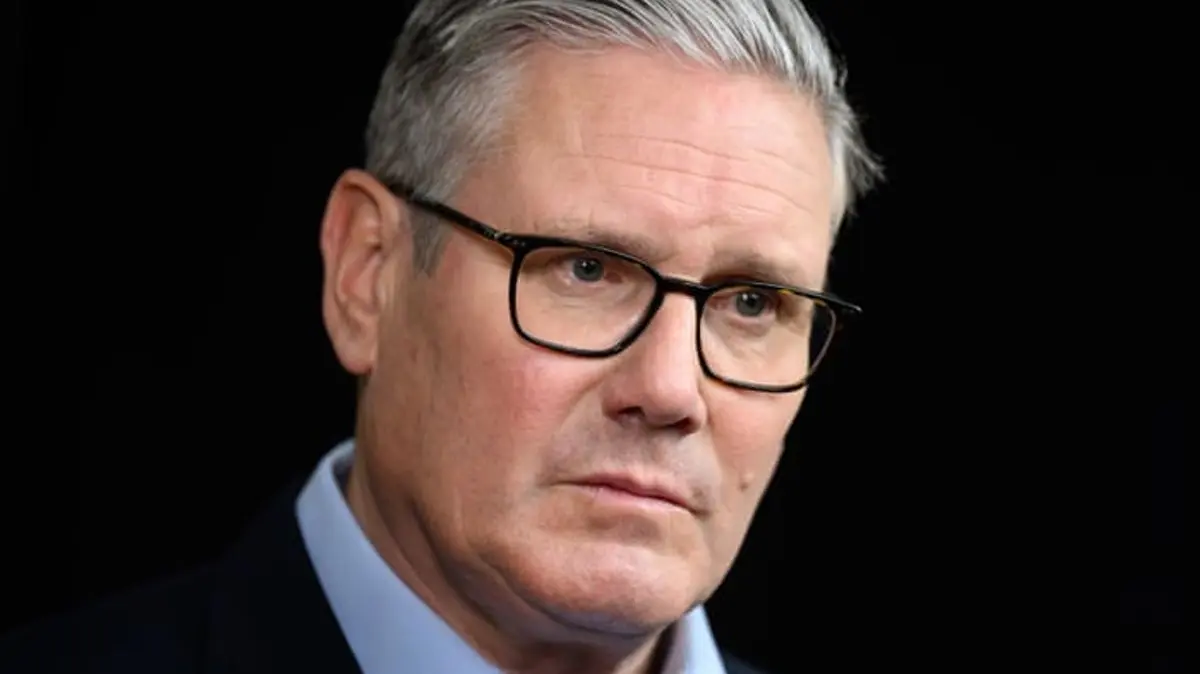
Keir Starmer Faces Growing Revolt Within Labour After Election Setback
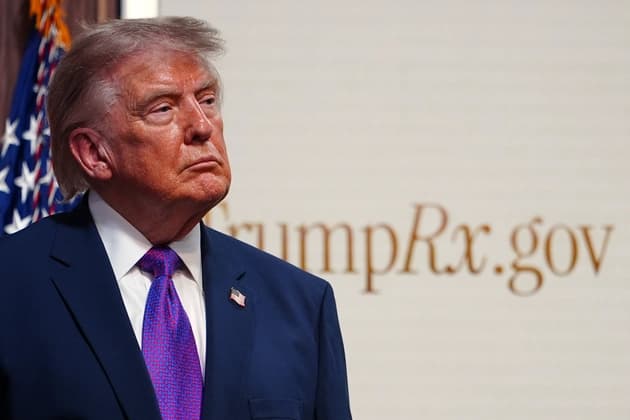
Donald Trump Announces $1.8 Billion “Anti-Weaponization Fund” After IRS Settlement
Democratic National Committee Autopsy Report Blames Strategic Failures for Kamala Harris’s 2024 Defeat
RECENT POST
- »Asian Markets Rally as United States and Iran Move Closer to Possible Deal
- »Family Offices in 2026: Shifting from Preservation to Planetary Impact
- »Louisiana Republicans Advance Congressional Map Reducing Majority-Black Districts
- »Marco Rubio Pushes US Energy Exports During Critical India Visit
- »OpenAI Reportedly Explores Legal Options Against Apple Over AI Partnership