UFC Freedom 250 White House Event Lost $30 Million as TKO Reveals High Production Costs
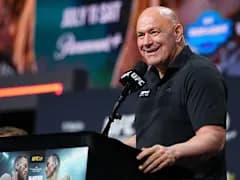
TKO Group Holdings, parent company of the Ultimate Fighting Championship, said the UFC's groundbreaking Freedom 250 event at the White House attracted huge attention around the world but posted a reported loss of $30 million. The event was held on the South Lawn of the White House, billed as a major spectacle combining mixed martial arts and celebrations of the 250th anniversary of American independence.
Despite the financial failure of the event, UFC executives claimed it was a huge promotional success due to the massive audience engagement, international exposure and long-term brand value. The event was attended by thousands of invited guests and some of the biggest names in MMA including Justin Gaethje, Ilia Topuria, Alex Pereira and Ciryl Gane.
The financial disclosure has reignited the debate over whether the event is a money-losing production or a strategic investment to increase UFC’s global footprint. Its supporters say the publicity and media impact generated value beyond immediate revenue; critics question the high costs of a politically important sporting event.
UFC Freedom 250 – One of the Most Expensive Promotions in History
UFC Freedom 250 was one of the oddest and most expensive productions in the history of the company. This was a massive event that required a large temporary set up, a full UFC style arena, lighting, broadcast, security and a lot of production on the White House South Lawn.
TKO Group Holdings lost $30 million on the event as production costs far exceeded revenue directly generated from the show. Freedom 250 was not built on big ticket sales like a traditional UFC pay-per-view which would eat into one of the company’s largest sources of event revenue.
The White House event was by invitation with some 4,300 guests attending. The exclusivity added an element to the event’s historical significance, but it also meant less opportunity for revenue through traditional ticket sales.
Major sponsorship involvement and broadcast partnerships were also important in helping to cover some of the production costs. But executives conceded that the expense of holding such a large event on that scale outweighed the short-term financial benefits.
But TKO executives have insisted the loss should be put in perspective with the larger promotional windfall. The company said it could develop long term value through enhanced brand visibility, audience growth and significant global exposure.
The event was an indication of the UFC’s willingness to throw big money at one-off promotional opportunities. Most UFC events are built on ticket sales, pay-per-view revenue and sponsorship income, but Freedom 250 was more of a global media event that was designed to make a cultural splash.
Justin Gaethje Wins at White House for Historic Fight Night Headliner
The main event between Justin Gaethje and Ilia Topuria for the UFC lightweight title was the sporting highlight of Freedom 250. One of the biggest moments of Gaethje’s career came when he stopped Topuria by TKO with Topuria’s corner throwing in the towel and Gaethje winning the undisputed lightweight gold.
The unusual setting and the names of the two fighters made the fight a big draw. Topuria was a dominant champion coming into the fight and Gaethje was considered a veteran fighter looking for one last shot at an undisputed title.
There were a couple other big fights on the card, including Ciryl Gane beating Alex Pereira and Sean O’Malley beating Aiemann Zahabi. UFC officials said every bout on the card ended in a knockout or technical knockout, making for a night fans won’t soon forget.
Gaethje also earned performance bonuses for his championship win, which was one of the defining moments of the event. UFC officials called it a dramatic way to end a long-awaited card.
It was a significant expansion of UFC’s footprint into mainstream culture, outside of the results inside the Octagon. Having a fight card at the White House put mixed martial arts in a political and historical context rarely seen in professional sports.
Championship fights, star power and a strange venue made Freedom 250 one of the most talked-about UFC events of the year, even as questions were raised about the financial outcome.
High Exposure Supports UFC’s Defense of Event’s Strategic Value
The Freedom 250 was a financial bust, but UFC brass said the event had tons of marketing value. The company highlighted strong audience numbers and said the global attention the event generated has benefits beyond traditional event revenue calculations.
The event was reportedly watched by tens of millions of fans around the world and was one of the UFC’s highest-profile productions ever staged. The setting at the White House created a level of media coverage, social media buzz and international interest that would have been hard to match with a regular arena event.
Executives at TKO Group Holdings said the event was a success, generating substantial earned media value and boosting the UFC's brand visibility. “The publicity will help with future partnerships, sponsorship opportunities and audience growth,” they said.
The loss associated with the event was not material to the company’s overall financial performance. “TKO delivered good top-line growth in the quarter driven by media rights deals and other commercial activities across its sports entertainment businesses.
But the event also came under fire for its links to politics and the White House. Some critics questioned the wisdom of such an expensive production and whether the financial sacrifice was worth the promotional benefit.
The debate is part of a larger question facing modern sports organizations: should big cultural events be judged on short-term profitability alone or also on long-term brand impact?
It appears the UFC leadership viewed Freedom 250 as a strategic investment in creating a historic moment rather than simply a means to maximize short term revenue.
UFC Growth Not Derailed by Freedom 250 Financial Blow
The loss of Freedom 250 is unlikely to affect UFC’s long-term business strategy much, as the organization continues to grow through media rights, sponsorship deals, international events and digital platforms. “The UFC continues to be one of the strongest brands in global sports entertainment,” TKO Group Holdings said.
The event showed the possibilities, but also the risks, of big sport productions. Freedom 250 was highly visible, but also highlighted the financial challenges of staging a one-off event outside of traditional venues.
UFC President Dana White has said many times how important it is to create moments that non-fight fans can relate to. Freedom 250 was a reflection of that philosophy, bringing together sports competition, entertainment and cultural importance in one event.
The financial results have sparked discussion among analysts as to how companies should determine success for big promotional events. While traditional accounting places the loss at $30 million, supporters say the event created long-term brand exposure and business opportunities.
As the UFC expands into larger global shows, the promotion will likely walk the line between spectacle and financial conservatism. “Going forward, we can look at future projects in terms of both the direct revenue they will bring in, as well as their broader strategic impact.
Not only for the unusual White House venue and the unforgettable fights, but as a lesson in the cost of staging a global sports spectacle. The Freedom 250 card can be an indelible moment in UFC history.

Tech Desk
The Tech Desk covers sports business, media economics, and major corporate promotions.
Related Post
EU Approves $110 Billion Paramount-Warner Bros Merger as US Review Continues
Nike Tightens China Online Sales Strategy as Sportswear Giant Battles Declining Demand and Local Rivals

Paramount Delays Warner Bros. Discovery Deal as Antitrust Battle Moves to Court

Shell Profits Double as Oil Prices Surge Amid Iran War
RECENT POST
- »UFC Freedom 250 White House Event Lost $30 Million as TKO Reveals High Production Costs
- »Wesley Bell Beats Cori Bush in Missouri Primary as Democratic Party Divisions Deepen
- »Apple May Bring iPhone Clipboard Sharing to Windows PCs With New Cross-Platform Feature
- »Capital One Rejects Trump Debanking Claims, Says Account Closures Followed AML Investigation
- »US and Japan Take Coordinated Action to Stabilize Yen Amid Currency Volatility