Hewlett Packard Enterprise (HPE) Posts Record Quarter as AI Infrastructure Demand Soars
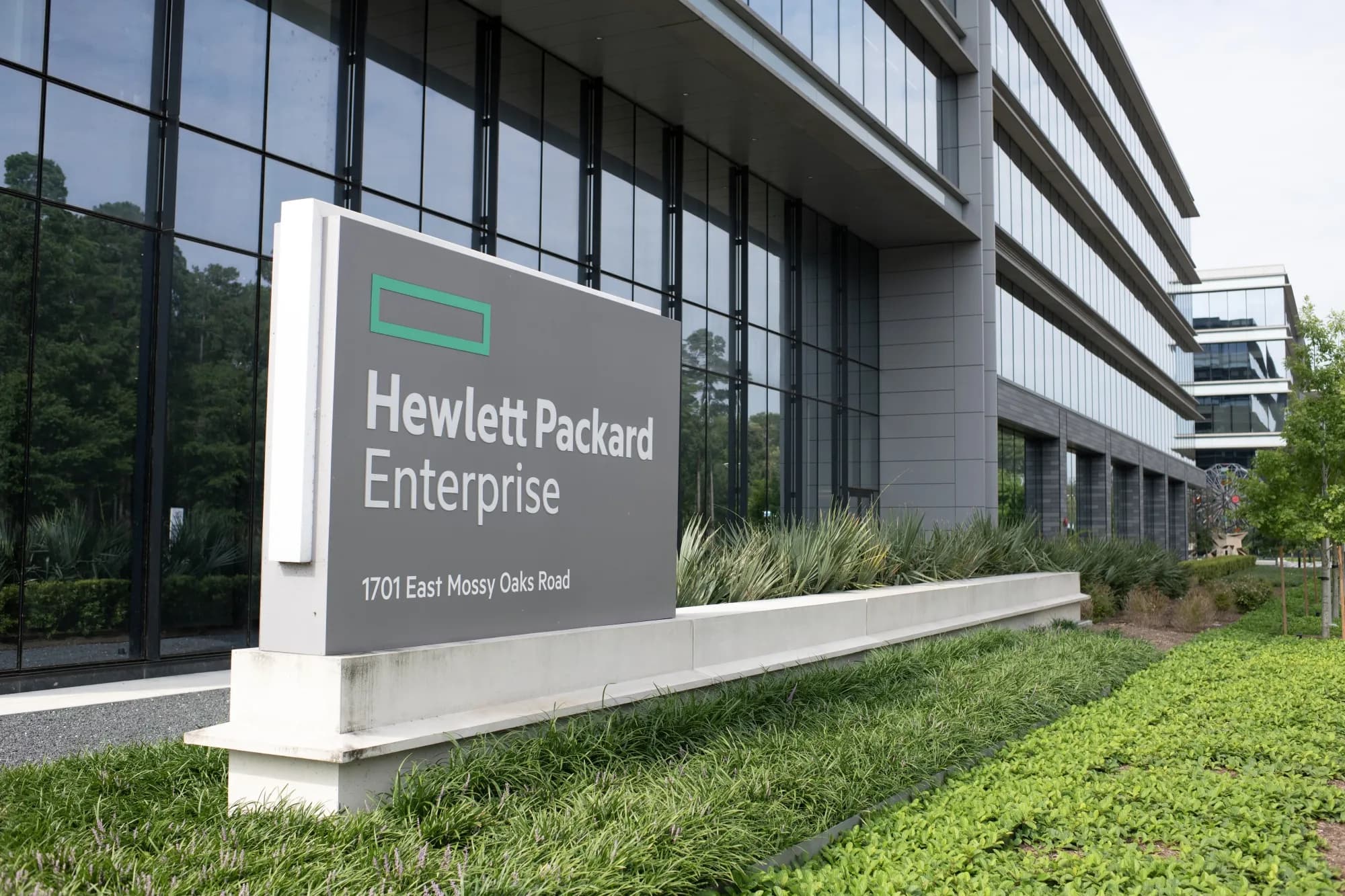
Hewlett Packard Enterprise (HPE) reported record quarterly financial results today, driven by an unprecedented surge in demand for artificial intelligence (AI) infrastructure, high-performance computing, and specialized enterprise networking solutions. The company's stellar performance prompted executive leadership to raise their full-year financial outlook, signaling sustained momentum in the enterprise AI space.
Under the leadership of Chief Executive Officer Antonio Neri, HPE has aggressively repositioned itself at the vanguard of the artificial intelligence hardware revolution. The strategy appears to be paying off spectacularly, with the company's hybrid cloud and AI system orders reaching historic highs. Analysts noted that the massive capital expenditures by hyperscalers, large enterprises, and sovereign governments on AI model training and inference systems are directly feeding into HPE's record backlog, positioning the enterprise giant as a critical partner in the global rollout of generative AI capabilities.
Massive Backlog and Revenue Surges in Key Segments
For the second quarter of fiscal year 2026, HPE reported overall net revenue of $7.8 billion, representing a significant year-over-year increase that comfortably exceeded Wall Street's consensus estimates. The primary engine of this growth was the Server segment, specifically AI-optimized systems featuring next-generation accelerator chips from NVIDIA, AMD, and Intel. Order bookings for these advanced platforms grew by double-digit percentages, leaving HPE with a multibillion-dollar backlog that ensures strong delivery pipelines for the remainder of the fiscal year.
Moreover, HPE's Intelligent Edge division, bolstered by robust demand for unified secure networking products, continued to deliver high-margin profitability. Financial analysts raised their price targets for HPE stock following the announcement, expressing confidence in the sustainability of enterprise IT spending. The company's board of directors also approved an increased quarterly dividend, reflecting the robust cash generation capabilities of the business as it transitions to a more software- and services-defined recurring revenue model under the GreenLake platform.
The Transformational Impact of the Juniper Networks Acquisition
A crucial driver of HPE's long-term enterprise strategy is the ongoing integration of Juniper Networks, which HPE agreed to acquire in a landmark $14 billion cash deal. CEO Antonio Neri emphasized that combining Juniper's industry-leading AI-driven Mist enterprise networking software with HPE's high-performance computing systems creates an unmatched end-to-end portfolio. This combined architecture allows enterprise customers to seamlessly connect, protect, and analyze data across hybrid cloud and on-premises environments.
The integration is expected to yield substantial cost synergies while dramatically accelerating HPE's ability to cross-sell comprehensive networking fabrics alongside its premium AI server hardware. Chief Financial Officer Marie Myers noted that the financial profile of the combined entity will enable greater investment in cutting-edge R&D and rapid debt reduction, strengthening HPE's balance sheet while enhancing its overall competitiveness against rivals like Dell Technologies and Cisco Systems.
Sustaining Enterprise Momentum in a Dynamic Market
Looking ahead, HPE raised its full-year revenue growth projection and non-GAAP diluted net earnings per share guidance, reflecting strong confidence in ongoing supply chain execution and structural demand. While geopolitical tensions and macroeconomic crosscurrents remain a general concern for global tech spending, HPE's executives believe that the secular shift toward enterprise artificial intelligence and automated hybrid cloud systems is highly resilient.
Industry observers highlighted that HPE's strategic focus on energy-efficient liquid cooling technologies for data centers is becoming a key differentiator. As power constraints and heat dissipation become critical hurdles for modern AI data facilities, HPE's decades-long expertise in direct liquid cooling (DLC) gives it a substantial competitive edge. The company is actively collaborating with global utility providers and real estate developers to design the next generation of highly sustainable AI data centers, ensuring that enterprise digital transformations can scale efficiently and responsibly.

Sarah Wu
Sarah analyzes the convergence of decentralized protocols and traditional financial institutions.
Related Post

UK Car Finance Compensation Scheme Paused After Legal Challenge, Delaying Payouts Until 2027 or Later

Stock Market Today: Dow, S&P 500, Nasdaq Swing as Tech Stocks Trigger Global Market Volatility

Crypto.com Secures $400 Million Citadel Securities Investment at $20 Billion Valuation

Andrew Bailey Pushes Back on Banking Deregulation as UK Finance Faces AI and Growth Challenges
RECENT POST
- »The 2026 Climate Milestone: Global Emissions Peak and the Path Downward
- »Family Offices in 2026: Shifting from Preservation to Planetary Impact
- »Trump-Backed Moore Captures Alabama GOP Senate Nomination
- »Meta Whistleblower Sues Company Over Alleged Attempt to Silence Memoir ‘Careless People’
- »Meta to Manufacture Its Own AI Chips as It Expands Computing Capacity