Brent and WTI Slide as U.S.–Iran Tensions Ease; Global Oil Markets React
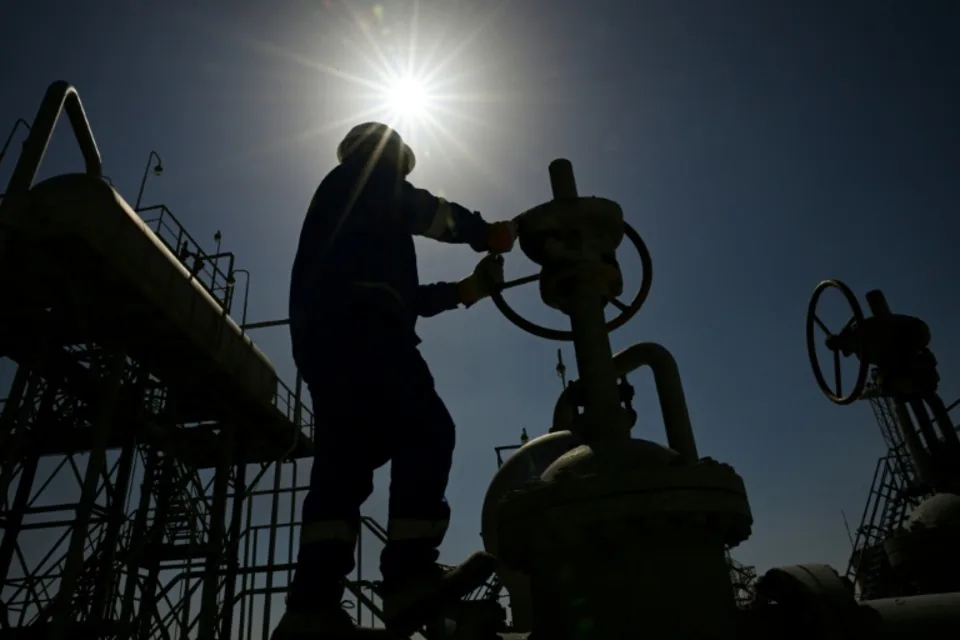
Planned strikes on Iran were called off by the United States, removing a major source of geopolitical risk for energy markets and sending global oil prices tumbling. Brent crude and West Texas Intermediate (WTI) – the two major global benchmarks – were both down more than 5 per cent in early trading, a sign sentiment among traders and investors had turned sharply.
The fall followed a period of eased tensions in the Persian Gulf, a traditional source of volatility in energy prices, after U.S. authorities said they would delay any imminent military actions. Markets are seeing the selling pressure on crude futures as a sign of a lower risk of a military conflict escalation and lower supply disruption in the near term.
Brent crude, the global benchmark, fell on major exchanges and so did WTI. Both benchmarks were still trading well below recent highs set at a spike of tensions in the Middle East.
**Geopolitical Calm Triggers Profit Taking, Risk Re-Pricing** The decline in crude prices was said to be a mix of risk re-pricing and profit taking following sharp gains in recent weeks as fears of a wider Middle East conflict pushed energy prices higher. The rapid retreat from military strikes against Iran offered some investors a sense of relief and funds and speculative positions pared their exposure to oil, contributing to the sell-off.
Iran is a major player in global oil markets, a long-time crude producer and member of OPEC+. Even the threat of direct conflict with Tehran can disrupt world supplies through precautionary measures and risk premiums. On the other hand, if the perceived threat fades, some of the premium previously built into oil prices could be unwound quickly.
**Market Reaction and Wider Economic Impacts** The effects of cheaper oil are different for different countries. Some relief may come for consumers and businesses that are grappling with high fuel and energy prices as crude prices ease and this could help ease inflationary pressures. But for energy exporters and producers, the revenue could be down, particularly in countries more reliant on high oil prices to balance their budgets.
Traders and economists will be watching to see how the price move impacts other markets, including equities and currencies in oil producing countries. Some commodity markets can experience sharp declines on geopolitical events, which create short-term volatility before settling back down on the basis of supply-demand fundamentals.
**Risks to Oil Prices Ahead** And while the threat of immediate strike action has eased anxieties, analysts warn the situation remains fluid. Oil markets remain sensitive to news flow from the Middle East including political developments, military escalations and policy decisions of major producers.
Looking ahead, price trends will continue to be driven by critical factors such as the growth in global demand, the output policies of OPEC+, inventory levels and broader macroeconomic conditions. But geopolitical headlines will continue to cause short-term price volatility as they always have in oil markets.

Related Post

Global Markets Rise as AI Stocks Rebound While Investors Monitor Iran Tensions and Trump Policies
Global Markets Slide as AI Stock Selloff, Iran Tensions and Rate Uncertainty Shake Investors
Global Markets Slip as Semiconductor Sell-Off Overshadows TSMC's Record Profit
World Markets Fall While Oil Hits One-Month High After Trump's Strait of Hormuz Move
RECENT POST
- »The 2026 Climate Milestone: Global Emissions Peak and the Path Downward
- »Family Offices in 2026: Shifting from Preservation to Planetary Impact
- »Trump-Backed Moore Captures Alabama GOP Senate Nomination
- »Meta Whistleblower Sues Company Over Alleged Attempt to Silence Memoir ‘Careless People’
- »Meta to Manufacture Its Own AI Chips as It Expands Computing Capacity