Wall Street Rises as Investors Await Inflation Data While AI Stocks and Rate Cuts Drive Sentiment

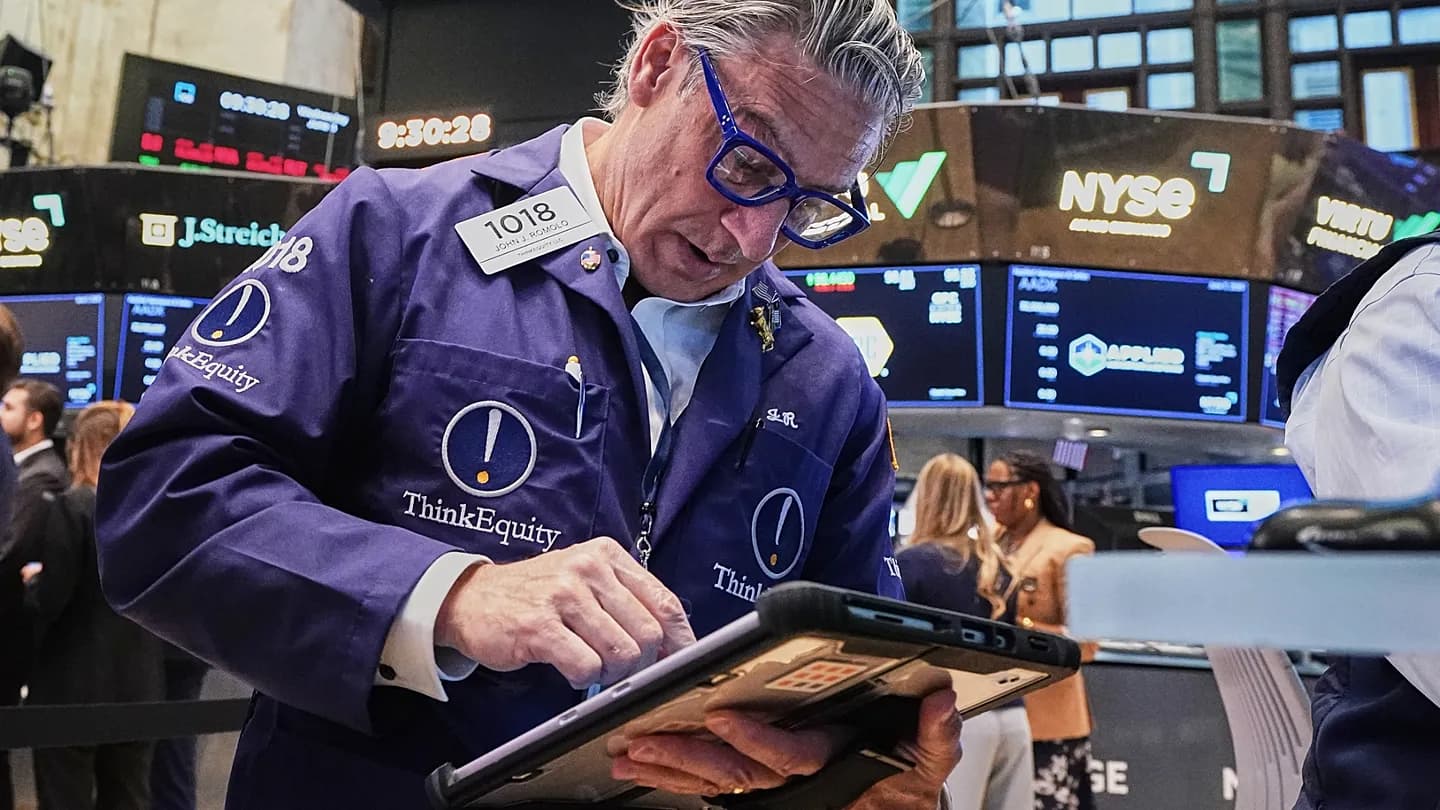
U.S. stocks rose Tuesday as investors braced for key inflation data, but also mulled the outlook for Federal Reserve interest-rate policy, artificial intelligence investment and global geopolitical risks. Markets attempted to build on recent momentum with the Dow Jones Industrial Average, S&P 500 and Nasdaq Composite all higher.
The positive market sentiment comes after a rally for equities that was backed by strong corporate earnings and continued enthusiasm about AI-related companies. Tech stocks continued to be a major driver of market sentiment, with companies increasing their spending on AI infrastructure and applications.
Investors also were looking ahead to upcoming inflation data that could shape expectations for future Federal Reserve action. Higher inflation could also restrict the central bank’s room to maneuver while lower inflation could support bets for rate cuts.
Markets remained sensitive to geopolitical developments in Iran and the Strait of Hormuz, especially regarding energy prices and inflation expectations. Traders continued to watch the tensions for their effect on world oil supplies and the broader economic backdrop.
1Stocks Rise as Investors Brace for Key Inflation Report
Wall Street opened Tuesday with an eye on the latest inflation numbers and what they may mean for monetary policy. The market has become more sensitive to economic data as traders try to guess what the Federal Reserve will do next with interest rates.
Recent labor-market data show signs of cooling, and buoy expectations that the Fed could eventually switch to a more accommodative policy stance. Inflation is the arbiter of whether policymakers can cut borrowing costs.
Lower rates are generally considered more positive for equities as they lower the cost of financing for companies and make risk assets more attractive. Technology companies, which tend to rely heavily on expectations of future growth, are especially sensitive to changes in interest rate forecasts.
The S&P 500 and the Nasdaq have been boosted by investor confidence in the artificial intelligence space. Big technology corporations are still proclaiming massive investments in AI infrastructure, cloud computing and advanced semiconductor technology.
Investors paid close attention to economic reports, but remained bullish on corporate earnings and growth fueled by AI, according to market coverage from CNBC and Yahoo Finance.
But market valuations priced in continued earnings strength, analysts cautioned. Volatility could return with any sign that inflation is persistent or the economy is slowing down.
The recent market rally has been a mix of optimism and caution. Corporate data is still good and that encourages investors, but they are waiting for clearer signals from economic data and central bank policy.
Tuesday’s session showed that investors are still willing to invest money in equities but the next moves are likely to be highly dependent on inflation trends and the Fed’s reaction to them.
2Market Optimism Driven by AI Stock
Artificial intelligence remained one of the biggest themes influencing Wall Street as investors turned their attention to companies benefiting from the growing demand for artificial intelligence (AI) technology.
Technology companies that are involved in AI chips, cloud computing and data-center infrastructure have been some of the best-performing in the market. Investors are piling into firms that stand to benefit from AI applications that are spreading across industries.
The AI investment narrative has remained centered on semiconductor companies, big cloud providers and Nvidia. The sector is generating buzz as companies pour billions of dollars into building up the computing power required to run advanced AI models.
The AI boom has been good for software, too. Investors are paying closer attention to the physical infrastructure supporting artificial intelligence, including semiconductor manufacturing, data centers and energy systems.
Nvidia’s recent moves to partner with financial institutions to finance AI infrastructure have further supported the view that investment in AI will remain high.
The enthusiasm about AI has helped support technology shares even as investors are uncertain over inflation and interest rates.
But some analysts have warned that expectations for AI companies have risen sharply. Companies will need to be showing strong revenue growth and profitability to justify the current valuations.
AI stocks remain a key indicator for the broader market, and when Technology stocks do well, they often lift major indexes such as the Nasdaq and S&P 500.
For now at least, investors appear to have bought into the idea of AI as an ongoing engine of economic growth. The challenge will be whether the current levels of investment will deliver sustainable long-term returns.
3Fed Outlook Still Key to Market Direction
Almost all the big moves in the financial markets are still driven by interest rate expectations. Investors are looking for economic data that might indicate the Federal Reserve will start to ease monetary policy.
The central bank has been cautious as officials try to balance two competing risks: Bringing down inflation without hurting economic growth too much.
The economic indicators appear to have moderated recently and market expectations have recalibrated recently. Bets have been growing among investors that rate cuts could become more likely if inflation continues to trend lower.
Lower rates could support stocks via easing financial conditions and improving investors’ risk appetite.
But policymakers are still trying to bring inflation under control sustainably before making major moves.
The inflation report due out next week is therefore seen as one of the most important catalysts for the market. A weaker than expected reading could boost expectations for rate cuts, and a stronger than expected reading could bring renewed uncertainty.
Investors are weighing their expectations for interest rates against ongoing concerns about geopolitical developments and economic growth, AP News reported.
The inflation figures are likely to impact Treasury yields, currency markets and equity valuations.
For investors, the question is whether the economy is headed into a period of decelerating inflation and long-term expansion or whether inflationary pressures could linger as a challenge.
One of the biggest influences on Wall Street performance for the rest of the year is likely to be what the Federal Reserve does next.
4Risks From Oil, Iran Tensions Still Market Elements
Market hot topics were economic data and AI investment, while geopolitical risks weighed on investor sentiment.
The situation involving Iran and the Strait of Hormuz remained a major issue for energy markets. The area is a key route for the world’s oil transportation and any disruption could affect energy prices globally.
Higher oil prices could add to inflationary pressures thru higher costs for transportation, manufacturing and consumer goods.
This has meant that markets are watching diplomatic developments very closely. Signs of de-escalation can calm fears, while a new flare-up can heighten volatility.
Investors were weighing geopolitical risks against interest rates and growth expectations in the tech sector, said AP News.
The equity markets have brushed aside these concerns. The strong earnings, investment in AI and hopes of more monetary easing in the future have helped offset some of the geopolitical uncertainty.
Energy stocks also stayed in focus as traders considered potential changes in oil supply conditions.
Investors are in a precarious cocktail of geopolitical risks and economic optimism.
But there are a number of positives underpinning markets at the moment including strong corporate earnings and investment related to AI. But uncertainty around inflation, interest rates and global conflicts remains a potential risk.
As investors move further into August, the path of stocks seems determined by the extent to which economic fundamentals continue to support current valuations.
Wall Street is cautiously optimistic for now as investors await inflation data, Federal Reserve policy and global developments for the next big market signal.
Related Post

Global Markets Rise as AI Stocks Rebound While Investors Monitor Iran Tensions and Trump Policies
Global Markets Slide as AI Stock Selloff, Iran Tensions and Rate Uncertainty Shake Investors

Brent and WTI Slide as U.S.–Iran Tensions Ease; Global Oil Markets React

Emerging Markets Hit by AI Tech Selloff as Investors Question Sustainability of Chip Rally
RECENT POST
- »Intel Launches $15 Billion Stock Sale as AI Boom Fuels Semiconductor Turnaround
- »Wall Street Rises as Investors Await Inflation Data While AI Stocks and Rate Cuts Drive Sentiment
- »Linus Torvalds Says AI-Driven Bug Finding Has Made Huge Linux Kernel Updates the New Normal
- »Wall Street Futures Edge Higher as Investors Weigh Iran Demands, Hormuz Outlook and Berkshire Results
- »Senate Panel Moves Toward Contempt Vote Against Anthony Fauci Over COVID Hearing Dispute