Markets Turn Volatile as Iran Tensions Threaten Global Energy Supply
Global markets are once again being pulled into the emotional rhythm of the Iran conflict — rallying on hope one day, sliding back into fear the next.
This week, renewed clashes between the United States and Iran shook investor confidence and reignited concerns about the stability of ceasefire talks and the future of shipping through the Strait of Hormuz, one of the world’s most important energy routes. Oil prices jumped, stock futures slipped, and markets around the world returned to the tense, headline-driven trading pattern that has defined much of the crisis.
What makes the situation especially difficult for investors is how quickly sentiment keeps changing. One diplomatic headline can trigger a market rally. Hours later, reports of new fighting can erase it. That instability was visible again Friday morning as optimism surrounding peace negotiations weakened following a sharp exchange between Washington and Tehran.
The market mood right now can almost be summarized in one sentence: investors still hope diplomacy wins, but they no longer fully trust that it will.
Why the Strait of Hormuz matters so much
At the center of nearly every market reaction is the Strait of Hormuz — a narrow shipping route that carries a massive share of the world’s oil and natural gas exports. For global energy markets, it is one of the most sensitive choke points on Earth. If shipping through Hormuz becomes unstable, energy prices around the world can rise almost instantly.
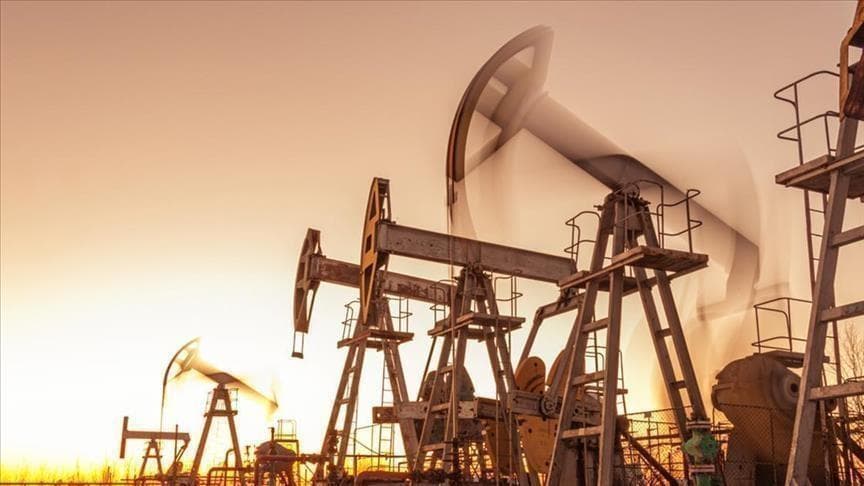
After renewed fighting raised concerns about possible disruptions in the Persian Gulf, oil prices climbed sharply again. Reuters reported that U.S. crude futures rose as much as 3% as traders worried the conflict could further threaten shipping access through Hormuz. Analysts say the concern is not just about immediate supply disruptions, but ripples throughout the global economy via higher transportation costs and inflation.
Markets are reacting emotionally — not just economically
One of the clearest patterns emerging from this crisis is how emotional market behavior has become. The days of investors trading purely on company earnings or long-term forecasts are gone. Instead, markets are reacting minute-by-minute to geopolitical developments: missile strikes, ceasefire rumors, and military warnings.
That has created a strange atmosphere where financial markets can swing sharply in both directions within hours. Technology and AI-related stocks have been especially volatile. Investors are already worried about expensive AI spending and now they are trying to factor in geopolitical instability, inflation risks and higher energy costs.
Inflation fears are coming back
When oil rises sharply, transportation becomes more expensive. Shipping costs rise. Manufacturing costs increase. Airlines pay more for fuel. This is why economists are increasingly worried about inflation returning just as many central banks were hoping price pressures were finally easing. Oil prices above $100 per barrel have already intensified fears that inflation could remain stubbornly high.
Investors moved toward safer assets, the U.S. dollar strengthened, and markets became more cautious ahead of major economic reports and Federal Reserve decisions. The outcome is a market environment characterized by uncertainty, as investors try to price in war, diplomacy, and shortages all at once.

Sarah Jenkins
Sarah brings decades of experience covering global health and medical research, with a focus on central banking and fiscal strategy.
Related Post

Emerging Markets 2026: The Rise of the 'Digital Tiger' Economies
Copper: The New Oil of the Electrification Era

Netflix Walks Away as Paramount’s $111B Bid for Warner Bros Discovery Wins
Gold Hits Record High as Safe Haven Asset
RECENT POST
- »Emerging Markets 2026: The Rise of the 'Digital Tiger' Economies
- »Family Offices in 2026: Shifting from Preservation to Planetary Impact
- »The 2026 Midterm Shift: A Deep Dive into the Battle for the House
- »Trump’s 15% Tariff Shock Sends U.S. Stock Futures Lower, Fuels Inflation Fears
- »Alzheimer’s Prediction Tool: Blood Test Estimates Symptom Onset Within 3–4 Years