World Markets Fall While Oil Hits One-Month High After Trump's Strait of Hormuz Move
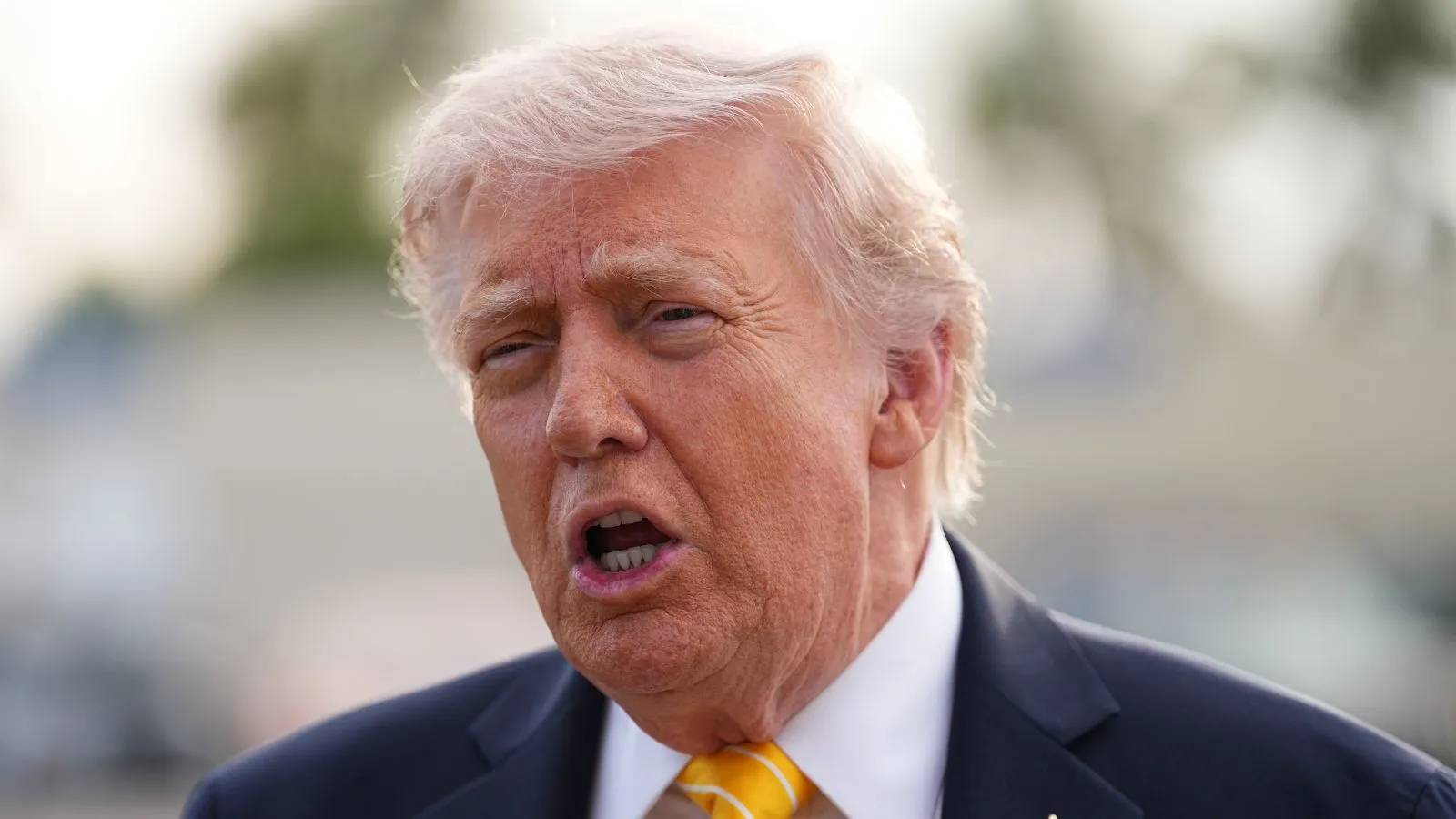
Global financial markets retreated on Tuesday as investors reacted to a sharp surge in oil prices following President Donald Trump's announcement of a new 20% levy on cargo traffic moving through the Strait of Hormuz, one of the world's most important energy shipping routes. The move, combined with renewed restrictions on Iranian shipping, raised fresh concerns about global oil supplies, sending Brent crude to its highest level in more than a month and prompting investors to reduce exposure to riskier assets. Stock markets across Europe and the United States fell while government bond yields climbed, reflecting growing worries that higher energy prices could reignite inflation and complicate monetary policy decisions for major central banks.
Brent crude climbed above $86 per barrel, gaining more than $3 during trading as fears of supply disruptions spread across commodity markets. The Strait of Hormuz handles nearly one-fifth of global oil shipments, making any threat to shipping activity a major concern for energy traders. The latest developments follow several days of escalating tensions in the Gulf, including military activity involving U.S. and Iranian forces. Analysts said even if physical supplies remain largely uninterrupted, the increased geopolitical risk premium is likely to keep oil prices elevated in the near term. Higher crude prices immediately translate into concerns over transportation costs, manufacturing expenses, and consumer fuel prices, all of which can contribute to broader inflationary pressures across the global economy.
European equity markets were among the biggest losers, with the STOXX 600 index falling as investors sold shares in travel, leisure, and industrial companies that are particularly vulnerable to rising fuel costs. Airline stocks came under pressure as markets anticipated higher operating expenses if oil prices remain elevated for an extended period. Travel demand has remained resilient throughout the year, but sustained increases in jet fuel costs could squeeze airline profit margins and eventually lead to higher ticket prices. Investors also reduced exposure to consumer-focused businesses amid fears that inflation could weaken household spending in the coming months.
Wall Street also experienced renewed selling pressure. The S&P 500 and Nasdaq closed lower as investors rotated out of technology shares and other high-growth sectors. Semiconductor companies led declines after weakness in Asian chipmakers spilled into U.S. trading. Rising Treasury yields further weighed on technology stocks because higher interest rates reduce the present value of future earnings, making growth companies less attractive relative to defensive sectors. Energy companies, however, outperformed the broader market as stronger crude prices boosted expectations for higher revenues and profits.
Asian markets presented a mixed picture. Chinese equities advanced after stronger-than-expected June trade data pointed to resilient export demand, particularly in semiconductors and electric vehicles. South Korean shares also posted gains despite continued volatility in technology stocks, while Taiwan's benchmark index declined amid heavy selling in semiconductor companies. Market participants noted that positive economic data from China helped offset some of the negative sentiment generated by geopolitical developments, although investors remained cautious ahead of additional economic releases later in the week.
Bond markets reflected the growing uncertainty surrounding inflation and monetary policy. Yields on U.S. Treasury securities moved higher as traders adjusted expectations for future Federal Reserve action. Investors had previously hoped easing inflation would allow policymakers to begin lowering interest rates, but a sustained rise in oil prices could delay those plans by increasing energy-related inflation. Market attention is now focused on upcoming U.S. consumer price inflation data and remarks from Federal Reserve officials, both of which could provide important clues about the direction of interest rates during the second half of the year.
Safe-haven assets also benefited from the heightened uncertainty. Gold prices moved higher as investors sought protection from increased geopolitical risks, while the Japanese yen strengthened against several major currencies. Bitcoin also recorded gains, continuing its recent pattern of attracting investor interest during periods of financial market volatility. Currency markets remained relatively stable overall, although commodity-linked currencies experienced increased volatility alongside fluctuations in oil prices. Analysts said investors are likely to remain highly sensitive to geopolitical headlines until there is greater clarity regarding developments in the Gulf region.
The latest market volatility comes just as the second-quarter corporate earnings season begins. Several major U.S. banks and multinational corporations are scheduled to report results over the coming days, giving investors a clearer picture of how higher borrowing costs and global economic uncertainty are affecting business performance. Technology companies will be under particular scrutiny following recent weakness in semiconductor stocks and growing questions about whether massive artificial intelligence investments will continue generating strong returns. Positive earnings could help stabilize markets, while disappointing guidance may intensify the recent sell-off.
Despite the current market weakness, many analysts believe investors remain fundamentally optimistic about the global economy. Strong corporate earnings, resilient labor markets, and continued investment in artificial intelligence have supported equities throughout much of the year. However, the combination of rising oil prices, geopolitical tensions, and uncertainty surrounding central bank policy has created a more challenging environment for financial markets. Traders are expected to closely monitor developments in the Strait of Hormuz, upcoming inflation data, and corporate earnings reports to determine whether the latest decline represents a temporary pullback or the beginning of a broader shift in global market sentiment

Maria Sanchez
Maria specializes in global equity markets and monetary policy.
Related Post

Securitize Tokenizes $295M of Stock on Solana and Avalanche After NYSE Listing in Landmark Crypto IPO Moment

Asian Stocks Rise While U.S. Futures Slip Amid Progress in U.S.-Iran Talks

Tech Rout Wipes More Than $1 Trillion From Nasdaq 100 as SpaceX Leads Declines
Oil Markets React After U.S. Strikes Iran as Traders Watch Strait of Hormuz Risks
RECENT POST
- »The 2026 Climate Milestone: Global Emissions Peak and the Path Downward
- »Family Offices in 2026: Shifting from Preservation to Planetary Impact
- »Trump-Backed Moore Captures Alabama GOP Senate Nomination
- »Meta Whistleblower Sues Company Over Alleged Attempt to Silence Memoir ‘Careless People’
- »Meta to Manufacture Its Own AI Chips as It Expands Computing Capacity