Keir Starmer Faces Growing Revolt Within Labour After Election Setback
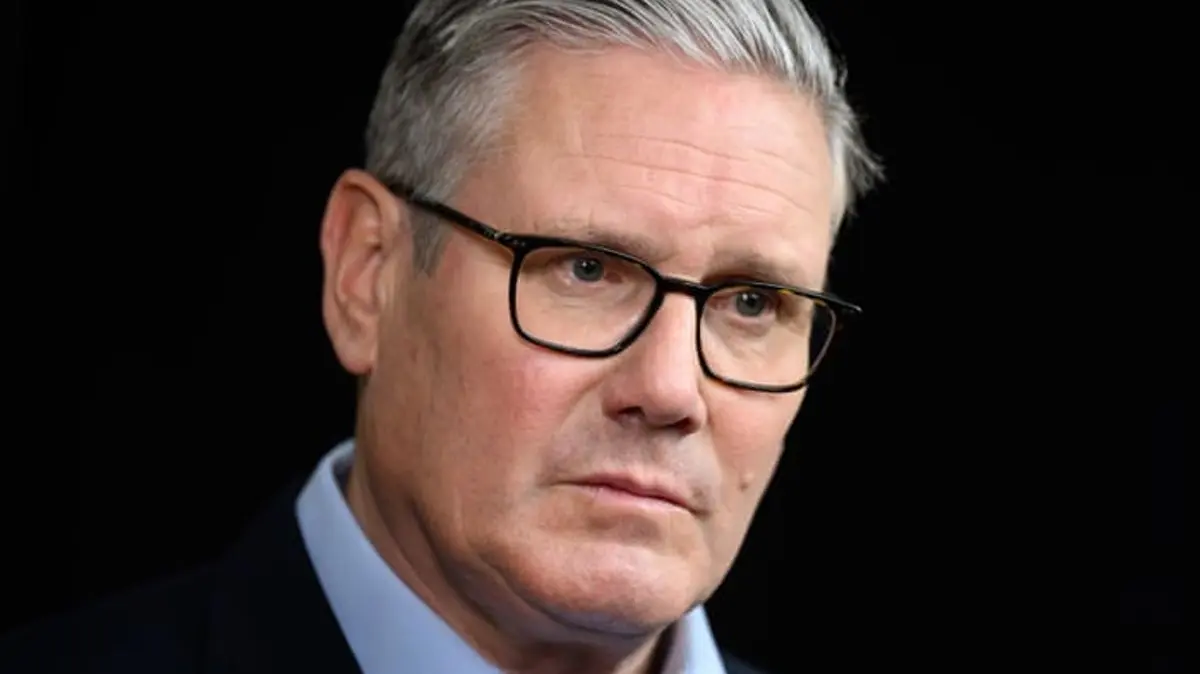
British Prime Minister Keir Starmer is facing the most serious political challenge of his premiership after a damaging series of election results triggered growing unrest within the ruling Labour Party.
What was once viewed as a stable leadership position has rapidly transformed into a deepening political crisis as increasing numbers of Labour MPs privately and publicly question whether Starmer can continue leading the government into the next general election. The pressure intensified following what many Labour figures described as a 'disastrous' electoral performance in local contests across parts of England.
The results exposed dissatisfaction among voters and reignited concerns inside the party about Labour’s political direction. Several senior MPs reportedly fear that continued losses could seriously damage Labour’s ability to remain competitive nationally and undermine confidence in the government’s long-term future. Despite the mounting criticism, Starmer has insisted he has no intention of stepping aside.
History shows that even leaders with strong parliamentary majorities can be forced out if enough MPs conclude electoral recovery is unlikely.
Labour MPs Grow Increasingly Restless
Reports from Westminster suggest frustration within Labour ranks has been building for weeks. Several lawmakers reportedly believe the election results exposed deeper structural problems inside the party rather than temporary setbacks. Some MPs are said to be questioning whether Starmer’s leadership style and cautious political strategy are still capable of energizing voters on issues including the economy and public services.
The unrest has also revived speculation about possible future leadership contenders. Although no major challenger has formally emerged, Westminster discussions increasingly focus on who could potentially replace Starmer if pressure intensifies. Senior cabinet members and prominent Labour figures are already being discussed privately as possible alternatives.
Starmer Attempts to Project Stability
In response to the growing criticism, Starmer has publicly rejected suggestions that his leadership is under immediate threat. Allies of the prime minister insist Labour remains united and argue that midterm election setbacks are common for governing parties. Starmer has continued emphasizing his government’s policy priorities, arguing that long-term reforms require patience and discipline.
The prime minister’s supporters believe removing a leader during a difficult political period could deepen Labour’s problems rather than solve them. They argue that another leadership contest would create months of uncertainty at a time when the country faces significant economic and geopolitical challenges. Still, the efforts to project calm have not fully stopped speculation.
Future of Starmer Premiership Remains Uncertain
The coming weeks may prove critical for the survival of Starmer's premiership. Much will depend on whether Labour MPs believe the government can recover politically before dissatisfaction hardens into organized rebellion. Starmer’s immediate priority will be preventing further divisions inside Labour while attempting to rebuild public trust.

Michael Chen
Michael has been reporting from Westminster and international summits for over 15 years, specializing in UK constitutional politics and foreign policy.
Related Post

The 2026 Midterm Shift: A Deep Dive into the Battle for the House
The UN Leadership Transition: Predicting the Next Secretary-General

Global Summit Addresses Rising Inflation Concerns
Trump Warns Iran on Nuclear Weapons as U.S. Builds Military Presence Ahead of Talks
RECENT POST
- »Emerging Markets 2026: The Rise of the 'Digital Tiger' Economies
- »Family Offices in 2026: Shifting from Preservation to Planetary Impact
- »The 2026 Midterm Shift: A Deep Dive into the Battle for the House
- »Trump’s 15% Tariff Shock Sends U.S. Stock Futures Lower, Fuels Inflation Fears
- »Alzheimer’s Prediction Tool: Blood Test Estimates Symptom Onset Within 3–4 Years