Chick-fil-A Franchisee Sued by US Government Over Religious Discrimination
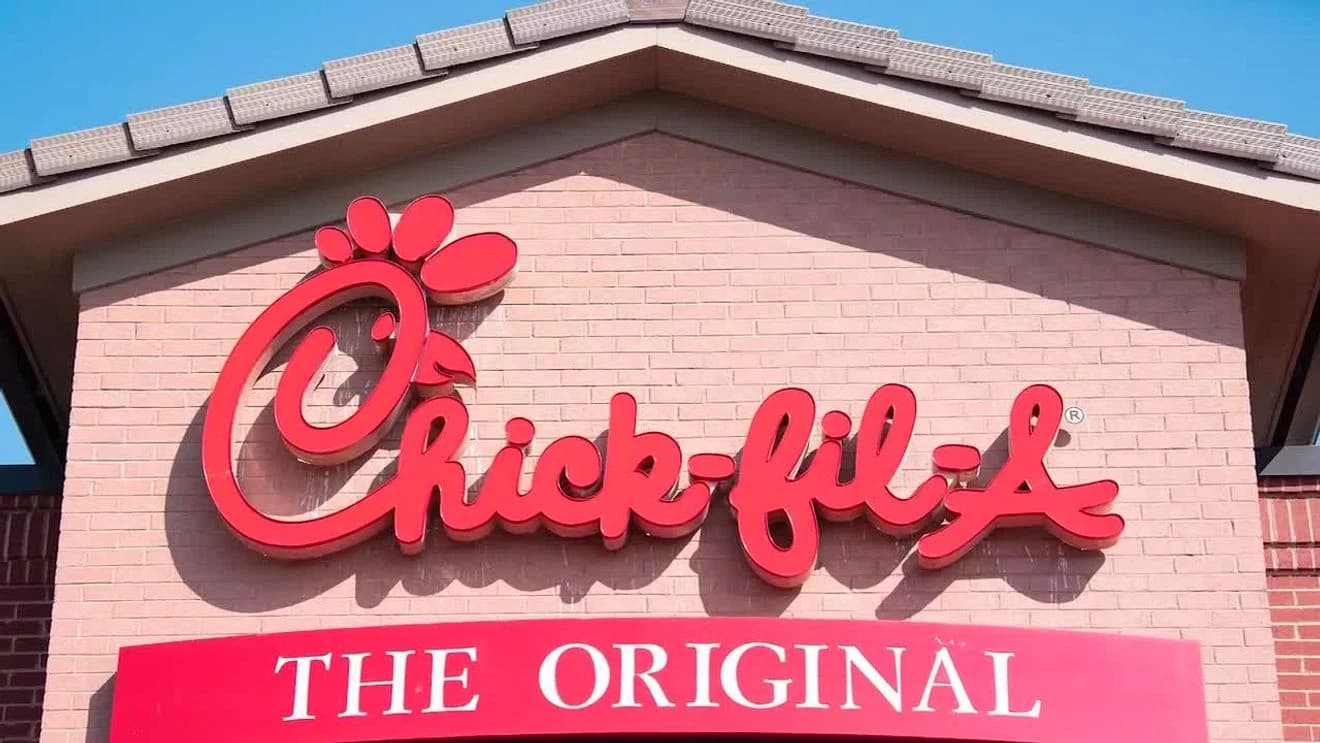
The U.S. government has sued a Chick-fil-A franchise operator, alleging religious discrimination against an employee in a case that raises questions about workplace rights and accommodations.
A Chick-fil-A franchise operator is facing a lawsuit from the U.S. government over allegations of religious discrimination in the workplace, adding another high-profile case to the growing national debate surrounding employee rights and religious accommodations at work. According to federal officials, the lawsuit claims that the franchisee violated U.S. employment laws by failing to properly accommodate an employee’s religious beliefs and by allegedly subjecting the worker to discriminatory treatment connected to those beliefs.
The legal action was filed by the U.S. Equal Employment Opportunity Commission, commonly known as the EEOC, which is responsible for enforcing federal laws that prohibit workplace discrimination. The case has quickly drawn national attention because of Chick-fil-A’s long history of public discussion surrounding religion, corporate values, and workplace culture in the United States.
According to the complaint, federal authorities allege that the employee requested a religious accommodation connected to scheduling or workplace responsibilities but was either denied proper accommodation or faced negative treatment afterward. The lawsuit argues that employers are legally required under Title VII of the Civil Rights Act to make reasonable efforts to accommodate workers’ sincerely held religious beliefs unless doing so would create significant operational hardship for the business. The EEOC claims the franchise operator failed to meet those obligations and that the employee experienced discrimination as a result.
Federal officials are seeking financial damages, policy changes, and corrective workplace measures through the lawsuit. Although the full details of the allegations have not yet been publicly disclosed in court filings, the case reflects broader tensions surrounding religion, labor rights, and employer responsibilities in modern workplaces across the United States.
Chick-fil-A’s Corporate Identity and Local Management
Chick-fil-A is one of the largest and most recognizable fast-food chains in America, famous for its chicken sandwiches, strong customer service culture, and religiously influenced corporate identity. Founded in 1967, the company has historically promoted Christian values and is widely known for closing all restaurant locations on Sundays. Over the years, Chick-fil-A has frequently found itself at the center of political and cultural debates involving religion, LGBTQ issues, and corporate activism.
However, the current lawsuit specifically targets an individual franchise operator rather than Chick-fil-A’s corporate headquarters directly. Like many large restaurant chains, Chick-fil-A operates primarily through independently managed franchise locations, meaning employment decisions are often handled at the local level by franchise owners or operators. Still, because of the company’s public image and association with faith-based values, the lawsuit has attracted significant media attention and public scrutiny.
Legal Standards for Religious Accommodations
Legal experts say religious discrimination cases in the workplace have become increasingly important in recent years as courts, businesses, and employees continue navigating evolving interpretations of religious freedom and labor protections. Under U.S. law, employers generally cannot discriminate against workers because of their religion and must provide reasonable accommodations for religious practices when possible. These accommodations may involve scheduling flexibility, dress code exceptions, prayer breaks, or adjustments to workplace policies.
However, conflicts sometimes emerge when employers argue that certain accommodations create operational challenges or interfere with business needs. Courts often must determine whether employers made sufficient efforts to accommodate employees fairly while balancing workplace efficiency and operational requirements. Recent Supreme Court decisions have also strengthened legal protections for workers seeking religious accommodations, increasing pressure on employers to carefully review workplace policies and compliance procedures.
The EEOC’s Role in Protecting Employee Rights
The lawsuit also highlights the growing role of the EEOC in pursuing workplace discrimination cases involving religion. The agency has expanded its focus on protecting religious rights in employment settings, especially as workplaces become more culturally and religiously diverse. EEOC officials argue that workers should not have to choose between maintaining employment and following sincerely held religious beliefs. In recent years, the agency has pursued lawsuits involving scheduling disputes, religious attire, mandatory workplace activities, and conflicts involving prayer or worship obligations.
Business groups, however, sometimes express concern that expanding accommodation requirements can create uncertainty for employers trying to manage staffing and operational consistency. The outcome of cases like this could influence how businesses across multiple industries handle future accommodation requests and employee disputes involving religion.
Industry Vulnerabilities and Reputational Risks
Employment law specialists say the restaurant and retail industries are especially vulnerable to these types of disputes because of complex scheduling systems, shift-based work environments, and high employee turnover. Fast-food chains often rely on flexible staffing arrangements to maintain operations during busy periods, which can sometimes create conflicts when workers request accommodations related to religious holidays, Sabbath observance, or worship schedules.
Experts note that businesses are increasingly investing in human resources training and legal compliance programs to reduce the risk of discrimination claims and costly lawsuits. Failure to properly address accommodation requests can expose employers to financial penalties, legal settlements, reputational damage, and increased regulatory scrutiny.
The case may also create renewed public debate surrounding Chick-fil-A’s broader corporate image and relationship with religion. Analysts say large companies with strong public identities tied to religion or social values often face greater scrutiny when workplace disputes emerge because consumers tend to hold them to higher standards of consistency between public messaging and internal practices.
Conclusion and Moving Forward
The lawsuit remains ongoing, and the franchise operator will have an opportunity to respond to the allegations in court. Legal proceedings could take months or even years depending on whether the case moves toward settlement or trial. For now, the dispute serves as another reminder of the growing legal and cultural importance of workplace religious accommodations in the United States. Employers across multiple industries will likely watch the case closely because its outcome could influence how businesses handle future employee accommodation requests and discrimination claims moving forward.

Emily Rodriguez
Emily covers corporate strategy, labor law, and the intersection of business and society.
Related Post
Trump’s 15% Tariff Shock Sends U.S. Stock Futures Lower, Fuels Inflation Fears

The Circular Economy Mandate: Retail's 2026 Sustainability Pivot
Nvidia CEO Jensen Huang Says Markets Are Wrong About AI Threat to Software Companies
CoreWeave Beats Revenue Expectations but Investors Worry About Spending
RECENT POST
- »Emerging Markets 2026: The Rise of the 'Digital Tiger' Economies
- »Family Offices in 2026: Shifting from Preservation to Planetary Impact
- »Louisiana Republicans Advance Congressional Map Reducing Majority-Black Districts
- »Trump’s 15% Tariff Shock Sends U.S. Stock Futures Lower, Fuels Inflation Fears
- »OpenAI Reportedly Explores Legal Options Against Apple Over AI Partnership