Toshifumi Suzuki Transformed 7-Eleven Into a Global Retail Giant
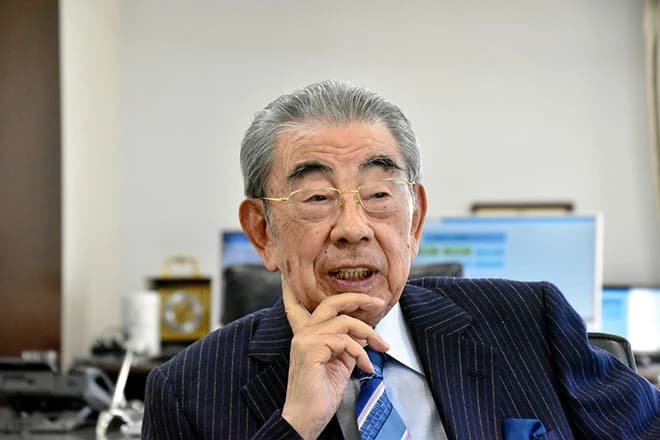
Toshifumi Suzuki, the businessman widely credited with transforming Japan’s convenience store industry and building the global 7-Eleven empire, died at the age of 93 from heart failure. Seven & i Holdings confirmed that Suzuki died on May 18 at his home in Tokyo. Reuters described him as the “father of Japan’s convenience stores” because of his enormous influence on modern retail culture in Japan and internationally.
Born in Nagano Prefecture in 1932, Suzuki began his career at the retailer Ito-Yokado after working at a book wholesaler. In the early 1970s, he pushed aggressively to introduce the American 7-Eleven franchise model to Japan despite skepticism from many business leaders who doubted convenience stores would succeed in the country. Reuters reported that Suzuki partnered with Southland Corp., the U.S. operator of 7-Eleven, in 1973 and opened the first Japanese store in Tokyo the following year.
Suzuki’s innovations in inventory management, based on consumer information and quick sales, revolutionized the retail business. He concentrated on ready-to-eat meals, fresh food and local stock that matched customer buying patterns. His innovations made convenience stores a vital part of daily life in Japan, turning them from late-night shops into the front lines of the nation’s daily life.
Under Suzuki’s leadership, Seven-Eleven Japan grew rapidly and ultimately surpassed its American parent. When Southland Corp. faced financial collapse in the early 1990s due to debt problems, Suzuki helped rescue the company. The Japanese operation later acquired full ownership of the American parent company.
Suzuki also played a major role in establishing Seven & i Holdings in 2005, creating one of Japan’s largest retail conglomerates with operations spanning convenience stores, supermarkets, department stores, and financial services. Bloomberg described him as the executive who fundamentally reshaped Japanese retailing through relentless operational efficiency and consumer-focused innovation.
The company said funeral services would be held privately with family members. Seven & i Holdings stated that details regarding a public memorial ceremony would be announced later.
Suzuki Transformed the Global Convenience Store Industry
Toshifumi Suzuki’s influence extended far beyond Japan, helping turn 7-Eleven into one of the largest convenience store chains in the world. Today, the brand operates more than 80,000 stores globally and became closely associated with the Japanese “conbini” retail model that reshaped how consumers shop for food, services, and everyday necessities.
Suzuki believed convenience stores should provide far more than snacks and drinks. Under his leadership, Japanese 7-Eleven stores expanded services to include bill payments, ATMs, ticketing, photocopying, banking, and ready-made meals. AP reported that Suzuki wanted stores to deliver what he described as a “lifestyle shopping experience” integrated into everyday urban life.
One of Suzuki’s most important innovations involved using real-time sales data to control inventory. And they rotated their stock all the time, according to the weather, the time of day and what the neighborhood wanted. Reuters reported that Suzuki pioneered the use of data-driven retailing decades before such practices became standard globally.
The Japanese convenience store system eventually became a model studied internationally because of its efficiency, product variety, and supply chain management. Analysts widely credited Suzuki with proving that convenience stores could become major retail destinations rather than simply emergency shopping locations.
Suzuki also expanded Seven & i Holdings into multiple sectors. AP reported that he oversaw acquisitions including Barney’s Japan while adding banking and financial services into the company’s operations. The conglomerate later expanded into supermarkets, department stores, and digital services.
His leadership style became legendary within Japanese business culture. Suzuki was known for his discipline, operational rigor and sharp focus on consumer behaviour, Bloomberg wrote. Colleagues often described him as a demanding but visionary leader.
Even after stepping away from daily management, Suzuki remained one of the most influential figures in Japan’s retail industry. Many executives credited him with modernizing how Japanese consumers shop and how retailers use technology and logistics to manage customer demand.
Leadership Disputes and Lasting Legacy at Seven & i Holdings
Despite his immense business success, Suzuki’s later years at Seven & i Holdings were marked by internal management conflicts and succession disputes. Reuters previously reported that Suzuki resigned in 2016 after the company’s board rejected his proposal to replace Seven-Eleven Japan President Ryuichi Isaka.
At the time, activist investor Daniel Loeb publicly criticized rumors that Suzuki planned to position his son as successor. The failed boardroom battle eventually forced Suzuki to step down as chairman and chief executive. Reuters described the resignation as a major turning point in Japanese corporate governance because it reflected growing willingness among boards to challenge even highly respected executives.
Suzuki’s resignation also became widely discussed internationally because of the humility he displayed afterward. TIME magazine highlighted Suzuki’s statement accepting responsibility for the failed succession effort, quoting him saying it was his “lack of virtue.”
Even after leaving leadership, Suzuki remained closely associated with Seven & i Holdings and continued serving as an honorary adviser. Bloomberg and Reuters both noted that his influence remained visible throughout the company’s strategic direction for years after his departure.
Seven & i Holdings itself continued evolving after Suzuki’s retirement. The company faced major restructuring efforts, activist investor pressure, and takeover interest from Canadian retailer Alimentation Couche-Tard, owner of Circle K. Reuters reported that takeover negotiations and restructuring plans became some of the biggest developments in Japanese corporate history during recent years.
Suzuki’s death prompted widespread tributes across Japan’s business community. Analysts described him as one of the most influential retail executives in modern Japanese history because he fundamentally changed consumer habits, supply chains, and urban retail culture.
Today, his legacy is woven into the fabric of daily life all across Japan, where convenience stores are an integral part of transportation hubs, neighborhoods, and modern urban living; on a daily basis, millions of consumers encounter a retail system largely shaped by Suzuki’s vision.

Robert Miller
Robert covers global business, finance, and corporate strategy.
Related Post

Marco Rubio Pushes US Energy Exports During Critical India Visit

Chick-fil-A Franchisee Sued by US Government Over Religious Discrimination

Meta Platforms Settles First School District Lawsuit Over Youth Mental Health Crisis
CoreWeave Beats Revenue Expectations but Investors Worry About Spending
RECENT POST
- »Emerging Markets 2026: The Rise of the 'Digital Tiger' Economies
- »Family Offices in 2026: Shifting from Preservation to Planetary Impact
- »Louisiana Republicans Advance Congressional Map Reducing Majority-Black Districts
- »Marco Rubio Pushes US Energy Exports During Critical India Visit
- »OpenAI Reportedly Explores Legal Options Against Apple Over AI Partnership