Marco Rubio Pushes US Energy Exports During Critical India Visit
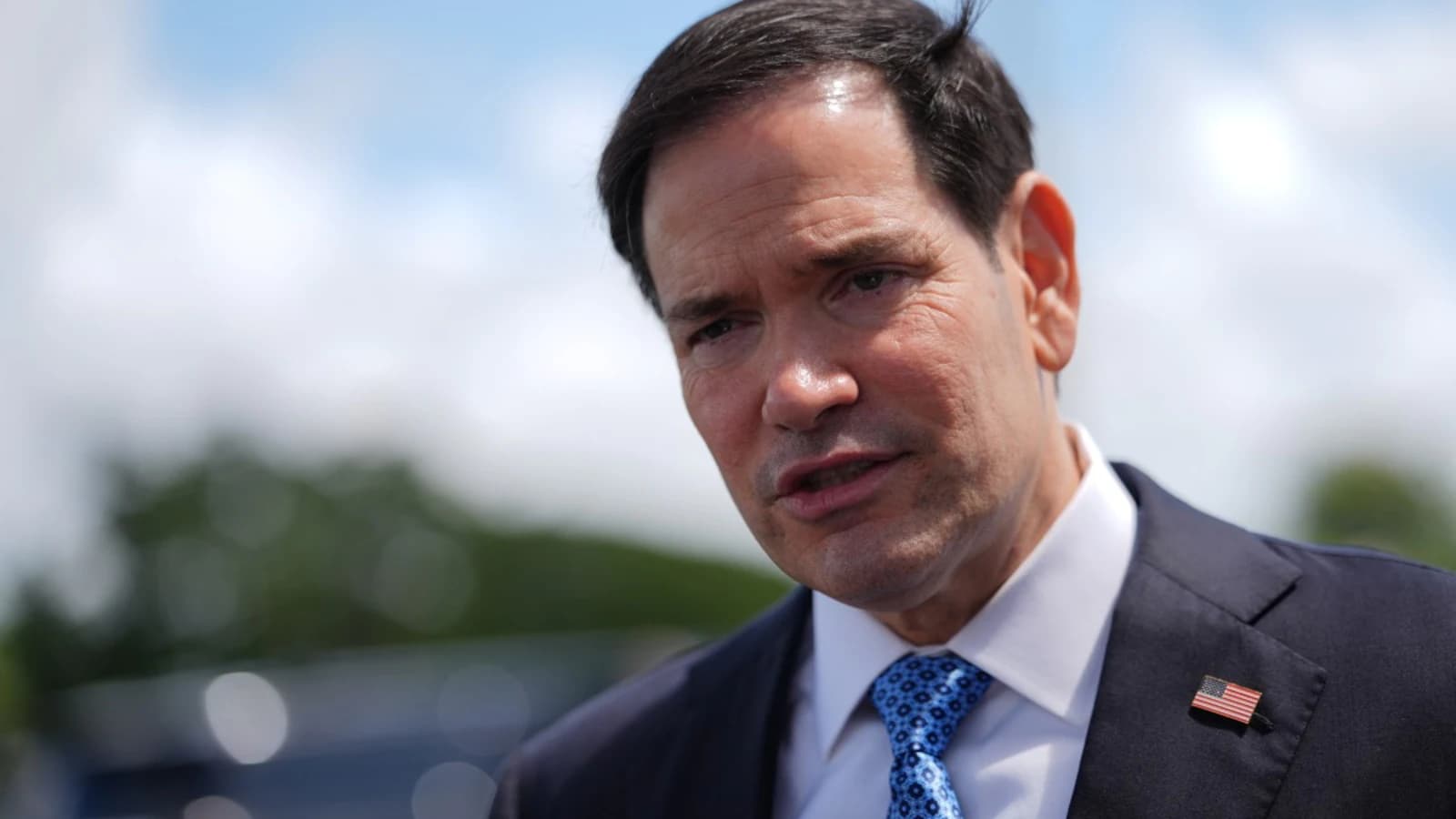
Marco Rubio arrived in India this week for a high-stakes diplomatic visit centered heavily on energy cooperation as the ongoing Iran-linked oil crisis continues disrupting global fuel markets and threatening economic stability across Asia. Rubio’s visit comes during one of the most volatile periods for international energy markets in recent years, with tensions surrounding Iran and disruptions near the Strait of Hormuz pushing oil prices higher and increasing pressure on countries heavily dependent on imported energy. India, which imports more than 80 percent of its crude oil requirements, has emerged as one of the economies most vulnerable to prolonged instability in Gulf energy supplies. U.S. officials say Rubio’s trip aims to strengthen energy ties between Washington and New Delhi while encouraging India to increase purchases of American oil, liquefied natural gas, and other strategic energy products.
The visit reflects how energy security has rapidly become one of the most important issues shaping modern geopolitics and global trade relationships. Since the outbreak of the Iran conflict earlier this year, shipping activity through the Strait of Hormuz — one of the world’s most critical oil transit routes — has faced severe disruptions, contributing to major volatility in crude oil prices and global supply chains. Analysts warn that any prolonged interruption in Gulf exports could create long-term inflationary pressure for energy-importing economies, particularly countries such as India that rely heavily on overseas crude shipments to fuel transportation, electricity generation, manufacturing, and household consumption. The Reserve Bank of India recently warned that the Iran-related energy shock could create inflation risks and damage broader economic stability if high oil prices persist for an extended period.
Rubio openly emphasized America’s desire to expand energy exports to India ahead of the visit, stating that the United States wants to sell India “as much energy as they’ll buy.” The comments highlight Washington’s growing ambition to position itself as a major long-term energy supplier to Asian economies increasingly worried about instability in the Middle East. The United States has dramatically expanded oil and natural gas production over the last decade, becoming one of the world’s largest exporters of liquefied natural gas and crude oil. American officials believe stronger energy partnerships with India could help reduce New Delhi’s dependence on politically unstable regions while simultaneously narrowing the large trade imbalance that has long frustrated U.S. policymakers. According to recent trade figures, the U.S. goods trade deficit with India rose significantly last year, creating additional pressure for both governments to negotiate larger commercial agreements involving energy, defense equipment, aircraft, and technology products.
However, expanding U.S. energy exports to India is not a simple solution despite growing political support from both sides. Energy experts note that transporting American oil and liquefied natural gas to India is generally more expensive and logistically complicated than importing supplies from the Middle East. Gulf producers remain geographically closer to Indian refineries, reducing shipping times and transportation costs significantly. Analysts therefore question whether U.S. energy alone can fully replace the shortfall created by instability involving Iran and Gulf shipping routes. Some experts also point out that India has already diversified its energy imports heavily in recent years, purchasing crude oil from more than 40 countries while increasing discounted imports from Russia after Western sanctions reshaped global oil flows.
The Iran crisis has forced India into an increasingly delicate geopolitical balancing act. Historically, India maintained strong energy and trade ties with Iran because Iranian crude often came with favorable pricing terms, shipping arrangements, and extended payment flexibility. However, earlier U.S. sanctions pressure forced India to significantly reduce Iranian oil imports beginning in 2019. Recently, amid severe supply disruptions caused by the conflict, Indian refiners reportedly resumed limited purchases of Iranian oil after temporary adjustments to sanctions enforcement designed to stabilize global energy markets. Indian officials insist the country’s energy sourcing decisions are driven primarily by economic necessity and domestic energy security concerns rather than geopolitical alignment.
Rubio’s visit also takes place during a broader period of diplomatic uncertainty between Washington and New Delhi. Trade tensions, tariff disputes, and disagreements over regional security issues have complicated relations between the two countries over the past year despite continued strategic cooperation aimed at balancing China’s influence in the Indo-Pacific region. While both governments continue describing each other as key partners, analysts say trust between the two sides has occasionally weakened over issues involving trade negotiations, sanctions policy, and regional diplomacy. Rubio is also expected to participate in meetings connected to the Quadrilateral Security Dialogue, commonly known as the Quad, alongside officials from Japan and Australia. The future direction of the Quad remains strategically important because the alliance is widely viewed as a counterbalance to China’s growing regional influence.
For India, securing stable and affordable energy supplies has become an urgent economic priority as oil price volatility threatens inflation, currency stability, and industrial growth. Economists warn that persistently high oil prices could weaken the Indian rupee, widen the country’s trade deficit, and increase costs for transportation, agriculture, and manufacturing industries nationwide. India’s large population and rapidly expanding economy require enormous volumes of imported fuel every day, making the country especially vulnerable to geopolitical disruptions affecting global energy markets. Policymakers are therefore exploring multiple strategies simultaneously, including increasing imports from the United States, expanding renewable energy investment, negotiating alternative trade arrangements, and strengthening strategic petroleum reserves.
The broader global economy is also watching the Rubio visit closely because the outcome could influence future energy trade patterns and geopolitical alliances across Asia. The Iran conflict has already triggered fears of a wider global oil supply crisis, with some analysts warning that continued instability around the Strait of Hormuz could push oil prices significantly higher if diplomatic efforts fail. Financial markets, shipping companies, refiners, and governments worldwide are closely monitoring how large energy-consuming countries like India respond to the ongoing disruptions. Stronger U.S.-India energy cooperation could reshape global trade flows while also strengthening Washington’s strategic influence in South Asia during a period of rising geopolitical competition.

Michael Chen
Michael specializes in Asian markets and global trade dynamics, providing insights into the shifting economic landscape of the 21st century.
Related Post

Chick-fil-A Franchisee Sued by US Government Over Religious Discrimination
Meta Platforms Settles First School District Lawsuit Over Youth Mental Health Crisis

Nvidia CEO Jensen Huang Says Markets Are Wrong About AI Threat to Software Companies

CoreWeave Beats Revenue Expectations but Investors Worry About Spending
RECENT POST
- »Emerging Markets 2026: The Rise of the 'Digital Tiger' Economies
- »Family Offices in 2026: Shifting from Preservation to Planetary Impact
- »Louisiana Republicans Advance Congressional Map Reducing Majority-Black Districts
- »Marco Rubio Pushes US Energy Exports During Critical India Visit
- »OpenAI Reportedly Explores Legal Options Against Apple Over AI Partnership