Democratic National Committee Autopsy Report Blames Strategic Failures for Kamala Harris’s 2024 Defeat
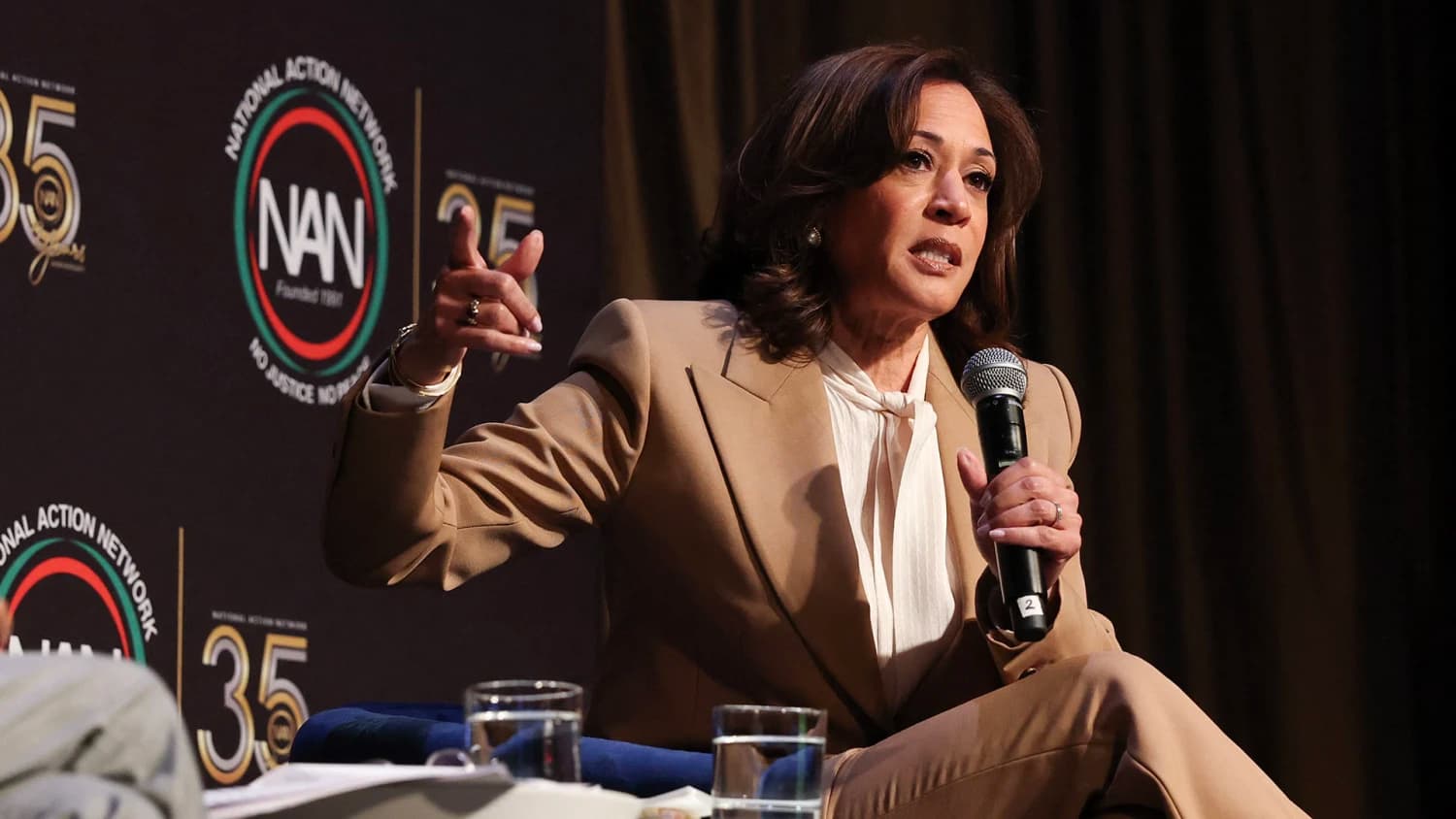
The Democratic National Committee released its long-delayed report on Kamala Harris’s 2024 defeat, blaming strategic failures, weak voter outreach, and messaging problems.
The Democratic National Committee released its long-awaited autopsy report examining Kamala Harris’s defeat in the 2024 presidential election and broader Democratic losses in Congress. The 192-page report, authored by strategist Paul Rivera, was published after months of internal pressure and criticism over the party’s decision to withhold the findings. DNC chair Ken Martin acknowledged disappointment surrounding the process and said the report “won’t meet your standards,” while repeatedly distancing the committee from the conclusions contained in the document.
The report criticized several strategic failures within the Democratic campaign structure, arguing that the party relied too heavily on urban and suburban voters while neglecting key constituencies such as rural communities, Latino voters, working-class Americans and men. It concluded that Democrats failed to communicate a broad economic message capable of reaching voters outside their traditional coalition. The report also argued that the campaign overemphasized “identity politics” instead of focusing on affordability and everyday economic concerns.
At the same time, the report was criticized for major omissions. It did not substantially address President Joe Biden’s age, the rushed transition to Harris after Biden withdrew from the race, or the internal divisions caused by the Gaza conflict. Critics inside and outside the party said these issues were central to voter dissatisfaction and should have been directly examined.
Report Blames Strategic Failures and Weak Voter Outreach
One of the report’s central findings was that Democrats failed to effectively engage several voter blocs that had previously supported the party. The analysis stated that Harris’s campaign relied excessively on anti-Trump messaging while failing to present a strong affirmative vision that resonated with persuadable voters. It argued that Democratic leaders wrongly assumed voters were already fully aware of Donald Trump’s controversies and therefore underestimated the need for sustained contrast messaging.
The report also documented losses among Latino voters, non-college-educated Americans and intermittent voters. The findings concluded that Democrats spent too little time organizing in rural areas and didn’t maintain year-round outreach to communities outside of major metropolitan areas. The document recommended a greater emphasis on local organizing, economic populism and direct communication with working-class voters.
Another major criticism was of the Biden administration’s treatment of Kamala Harris before she became his nominee. The report argued that Harris wasn’t properly prepared to lead the ticket once Biden dropped out of the race and that she was often given politically difficult assignments without enough institutional support or strategic visibility.
The analysis also found that Republicans were able to define Harris early with attacks, including anti-transgender campaign messaging, while Democrats did not respond effectively. The report said the Democratic Party needs a long-term strategic overhaul and not short-term campaign tweaks if it hopes to rebuild trust with key demographic groups ahead of future national elections.
Internal Backlash Worsens Divisions Within the Democratic Party
The late release of the autopsy added to tensions within the Democratic Party and raised questions about leadership within the DNC. Ken Martin had opposed releasing the report, saying it would further divide the party. But the committee was forced to release it as backlash from party members and grassroots activists grew.
The report itself carried disclaimers on nearly every page, saying many claims lacked sourcing and the findings did not necessarily reflect the official position of the DNC. Critics said the repeated disclaimers undermined the report’s credibility and reflected internal disagreements over how the party should interpret its 2024 defeat.
The document also reignited debate over issues the party avoided confronting directly, especially the political fallout from the Israel-Gaza war. Palestinian advocacy groups and progressive activists argued that Democratic support for Israel alienated younger voters and Arab American communities. Post-election polling referenced in reporting suggested that many former Biden voters cited Gaza as a major reason for not supporting Harris in 2024.
Despite the criticism, Democratic officials pointed to stronger-than-expected performances in several 2025 elections and said the party still has opportunities heading into the 2026 midterms. However, the autopsy report underscored continuing uncertainty over the party’s national identity, message and leadership direction as Democrats attempt to recover from the 2024 defeat and prepare for the 2028 presidential race.

Sarah Jenkins
Sarah covers the intersection of national politics and legal controversies.
Related Post
Louisiana Republicans Advance Congressional Map Reducing Majority-Black Districts

Keir Starmer Faces Growing Revolt Within Labour After Election Setback

Donald Trump Announces $1.8 Billion “Anti-Weaponization Fund” After IRS Settlement

Trump Warns Iran on Nuclear Weapons as U.S. Builds Military Presence Ahead of Talks
RECENT POST
- »Emerging Markets 2026: The Rise of the 'Digital Tiger' Economies
- »Family Offices in 2026: Shifting from Preservation to Planetary Impact
- »Louisiana Republicans Advance Congressional Map Reducing Majority-Black Districts
- »Trump’s 15% Tariff Shock Sends U.S. Stock Futures Lower, Fuels Inflation Fears
- »OpenAI Reportedly Explores Legal Options Against Apple Over AI Partnership