Judge Rules Trump Administration Unlawfully Retaliated Against Anthropic
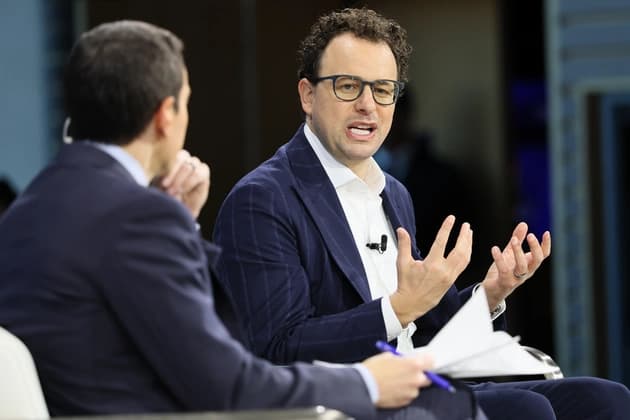
A US federal judge has ruled that the Trump administration unlawfully retaliated against artificial intelligence company Anthropic, delivering a major legal victory to the maker of the Claude AI system and challenging the Pentagon's decision to blacklist the company over disagreements about how its technology could be used by the military. Judge Rita F. Lin of the US District Court ruled that the Pentagon's designation of Anthropic as a national-security-related supply-chain risk was "illegal and baseless," temporarily blocking the government from enforcing the designation and an accompanying directive that restricted federal agencies from using Anthropic's technology. The ruling represents one of the most significant court decisions yet involving the relationship between frontier AI companies and the US government, particularly as military agencies seek access to increasingly capable AI systems.
The dispute began after Anthropic placed restrictions on certain uses of its AI models by the US military. The company had been willing to work with the government but objected to unrestricted applications of its technology, particularly uses involving fully autonomous weapons and mass domestic surveillance. Those restrictions eventually led to a confrontation with the Pentagon, which accused Anthropic of presenting a supply-chain risk to national security. The administration subsequently directed federal agencies to stop using Anthropic technology and moved to prevent the company from participating in certain government procurement activities. Anthropic challenged the measures in court, arguing that the government was punishing the company because of its position on the appropriate use of AI rather than because it posed a legitimate national-security threat.
Judge Lin sided with Anthropic on key constitutional and procedural questions. Her ruling said the government's actions amounted to unlawful retaliation for protected speech and that Anthropic had also been denied the due process required under the Fifth Amendment. The judge concluded that the Pentagon's decision was arbitrary and did not fit within the statutory framework governing supply-chain risk designations. The ruling is significant because it places limits on how the federal government can respond when technology companies refuse to make their products available for particular military applications. It also raises broader questions about the extent to which AI developers can establish safety restrictions when dealing with the US national-security establishment.
The case has become an important test of the relationship between private AI companies and the government. Anthropic is one of the world's leading developers of frontier artificial intelligence, alongside companies such as OpenAI, Google DeepMind and other major technology firms. Its Claude models are used by businesses and developers for software engineering, data analysis, research, writing and other professional applications. The company has also built a reputation for emphasizing AI safety and establishing restrictions around potentially dangerous uses of its technology. That approach has increasingly brought Anthropic into difficult conversations with government agencies that want access to advanced AI for defense and intelligence applications.
The Pentagon's position has been that national-security agencies must be able to use the most capable AI systems available and that companies working with the government cannot impose restrictions that undermine military objectives. The dispute therefore goes beyond a disagreement between one company and one government department. It represents a larger struggle over who should determine the boundaries of advanced AI deployment: governments, military institutions, technology companies, or some combination of all three. As AI becomes more important to cyber defense, intelligence analysis, weapons development and military logistics, these questions are likely to become increasingly urgent for policymakers.
The decision also comes at a time when the US government is trying to accelerate the development of domestic AI capabilities as part of its broader technology strategy. Officials have repeatedly emphasized the importance of maintaining American leadership in artificial intelligence, particularly as China invests heavily in competing AI systems and infrastructure. That strategic pressure has encouraged Washington to deepen relationships with major AI developers. OpenAI and other companies have pursued government contracts and partnerships, while Anthropic has also worked with US agencies in various contexts. The legal fight therefore creates an unusual situation in which the government wants access to advanced AI while simultaneously attempting to exert greater control over one of its leading suppliers.
The case may have important consequences for government procurement throughout the technology sector. Companies that sell advanced software and AI systems to federal agencies will be watching the ruling closely to determine how much contractual and technical control they can maintain over the use of their products. The decision could encourage other technology companies to establish clearer boundaries for government customers, particularly where they believe a requested application conflicts with internal safety policies. At the same time, federal officials may seek legislative or regulatory changes that give agencies broader authority to require access to critical AI technologies in national-security contexts.
The dispute has already affected Anthropic's relationship with Washington and the broader AI industry. Earlier this year, President Trump directed federal agencies to stop using Anthropic's technology following the dispute, while the Pentagon labeled the company a supply-chain risk. The government's decision was described by Reuters as an extraordinary rebuke against a major US AI company that had been playing an important role in keeping American technology at the forefront of national-security applications. Anthropic's investors include major technology and financial companies, meaning the dispute also carries consequences beyond the immediate government contract issues.
Anthropic has welcomed the court decision while continuing to emphasize that it remains willing to work with the government on responsible AI deployment. The company's broader Responsible Scaling Policy states that increasingly powerful AI models bring both major economic opportunities and new risks requiring careful safeguards. Anthropic says its approach is designed to ensure that increasingly capable models are developed and deployed with protections appropriate to the potential risks they present. That philosophy has become central to the company's identity and is one reason the dispute with the Pentagon has attracted so much attention across the technology industry.
The ruling could also influence the emerging market for military AI. The Pentagon is increasingly seeking systems capable of processing intelligence, automating administrative tasks, supporting battlefield decisions and assisting military personnel with large quantities of information. AI companies see government defense contracts as potentially worth billions of dollars, while the government sees access to frontier models as strategically important. The Anthropic dispute shows that commercial AI providers may not always accept unrestricted military use of their products, creating a new policy challenge as governments become increasingly dependent on privately developed technology.
Legal experts and technology analysts will now watch closely to see whether the Trump administration appeals the ruling. Reuters reported that the decision temporarily blocks enforcement of the Pentagon's blacklist and other government measures against Anthropic, but the broader litigation is not necessarily finished. The final outcome could establish important precedents regarding government retaliation, corporate speech, procurement authority and the rights of AI companies to place restrictions on the use of their technology.
For the wider business community, the case highlights a new category of risk surrounding artificial intelligence. AI companies are no longer simply selling software to consumers and corporations; their products are increasingly considered critical infrastructure for governments and national-security agencies. That makes disagreements over product restrictions, safety policies and acceptable uses potentially far more consequential than ordinary commercial disputes. The Anthropic ruling suggests that even the most powerful government agencies may face constitutional and legal limits when attempting to punish technology companies for taking positions on how advanced AI should be used.
The case is ultimately about much more than Anthropic and the Pentagon. It raises fundamental questions about the future ownership and control of artificial intelligence technology as governments begin treating frontier AI as a strategic national asset. Anthropic's legal victory could strengthen the position of technology companies seeking to impose safety restrictions on their products, while the government's response will help determine how much authority federal agencies believe they should have over companies supplying critical AI systems. With artificial intelligence becoming increasingly important to both the private economy and national security, the outcome of this dispute could shape the relationship between Washington and the AI industry for years to come.
Related Post

Panama Canal to Reduce Daily Ship Traffic as El Niño Drives Drought
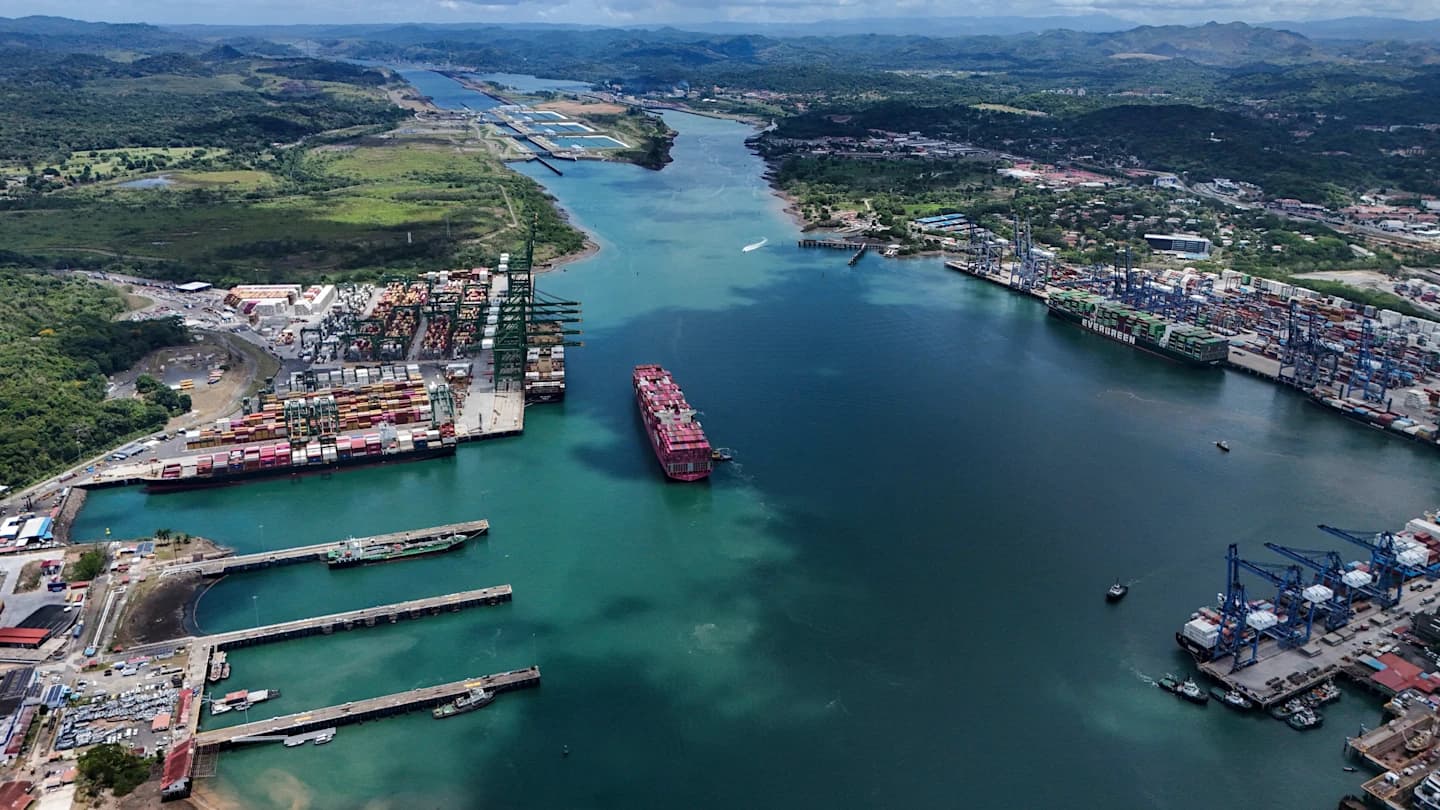
Panama Canal to Cut Daily Ship Transits as El Niño Threatens Water Supplies
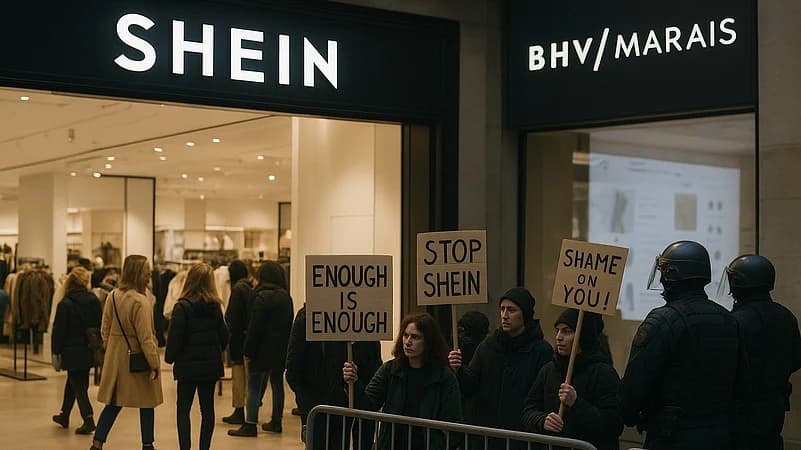
Shein Sets $27 Billion Valuation Target for Hong Kong IPO as Growth Slows
Twitch Allows Amazon AI Training on Stream Content as Creators Receive New Opt-Out Option
RECENT POST
- »Why Robotic Pizza Makers Are Struggling to Replace Human Workers
- »Judge Rules Trump Administration Unlawfully Retaliated Against Anthropic
- »Electric Gardening Equipment Is Replacing Petrol Tools as Landscapers Go Greener
- »Shein Sets $27 Billion Valuation Target for Hong Kong IPO as Growth Slows
- »TikTok Agrees to $400 Million US Settlement Over Children's Privacy Violations