Aging populations and underfunded public pensions are forcing governments to consider radical shifts in retirement ages and social security contributions.
We are facing a demographic time bomb. In most developed nations, the ratio of workers to retirees is shrinking at an alarming rate. The systems designed in the mid-20th century, which relied on a large base of young workers to support a small number of retirees, are no longer viable. Life expectancy has increased, birth rates have plummed, and the math simply doesn't add up. Without significant reform, the world's public pension systems are on a collision course with bankruptcy.
The Political Third Rail
Pension reform is often called the 'third rail' of politics—touch it and you die. Recent attempts in France and Greece to raise the retirement age led to massive protests and civil unrest. However, the alternative—cutting benefits for current retirees—is even more politically toxic. Governments are left with few palatable options: increase taxes on the younger generation, borrow more money (further increasing debt-to-GDP ratios), or implement 'means-testing' for benefits.
Innovation in private retirement savings is part of the solution. Schemes like the 'Auto-Enrollment' in the UK or the 'Superannuation' in Australia have successfully shifted some of the burden onto private individuals. But for the lower-income segments of the population, these schemes are often insufficient. The gap between the retirement-ready and the retirement-vulnerable is widening, creating a new form of wealth inequality that will define the social landscape of the 2030s.
A society is measured by how it treats its elders, but its longevity is determined by how it balances those needs with the future of its youth.
Toward a Sustainable Model
A sustainable model will likely require a mix of all these elements. We may see a global shift toward 'flexible retirement,' where individuals are encouraged to continue working part-time well into their 70s. This not only eases the financial strain but also addresses the 'loneliness epidemic' among the elderly. Ultimately, we must move from a 'pay-as-you-go' system to a 'funded' model where capital is actually invested and grown over decades. The transition will be painful, but necessary for the long-term stability of the global financial system.
David Smith
David analyzes long-term economic trends and social policy.
Related Post
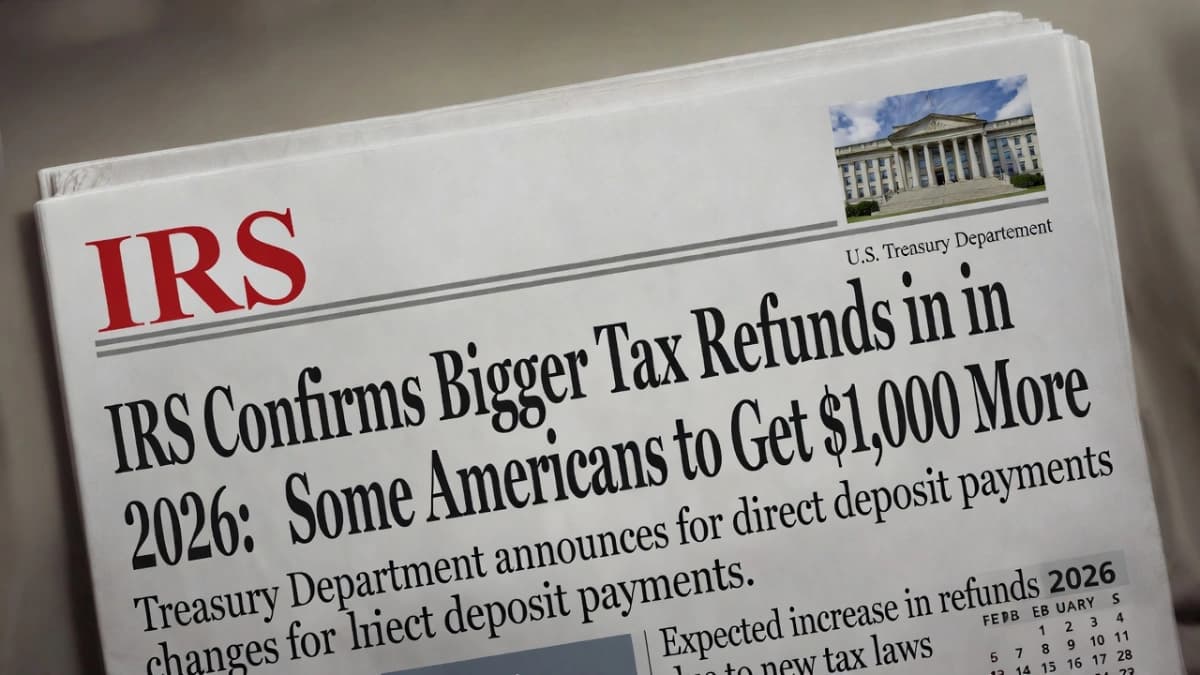
IRS Tax Refunds 2026: Average Payout Jumps 10.9% to $2,290 Despite Slower Filing

US Economy Slows to 1.4% Growth as Shutdown and Weak Spending Weigh on GDP
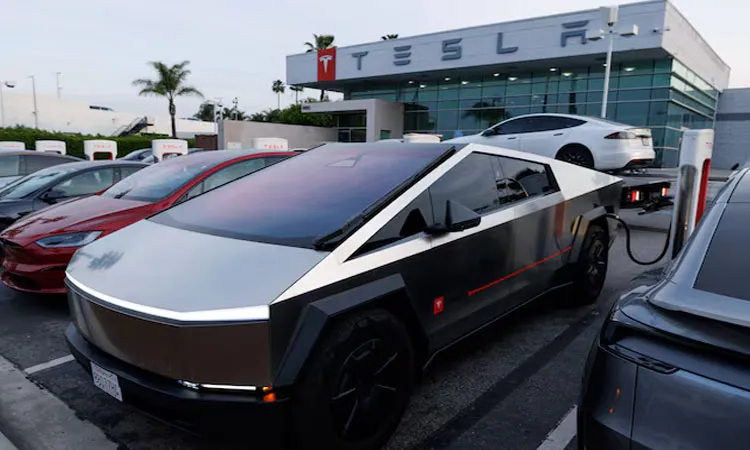
Tesla Q1 Earnings Beat Expectations Amid Rising Competition

The Rise of the Central Bank Digital Currency (CBDC): A 2026 Global Update
RECENT POST
- »Emerging Markets 2026: The Rise of the 'Digital Tiger' Economies
- »Family Offices in 2026: Shifting from Preservation to Planetary Impact
- »The 2026 Midterm Shift: A Deep Dive into the Battle for the House
- »Trump’s 15% Tariff Shock Sends U.S. Stock Futures Lower, Fuels Inflation Fears
- »Alzheimer’s Prediction Tool: Blood Test Estimates Symptom Onset Within 3–4 Years