U.S. Inflation Surges as Iran War Drives Gas Prices and Energy Costs Higher
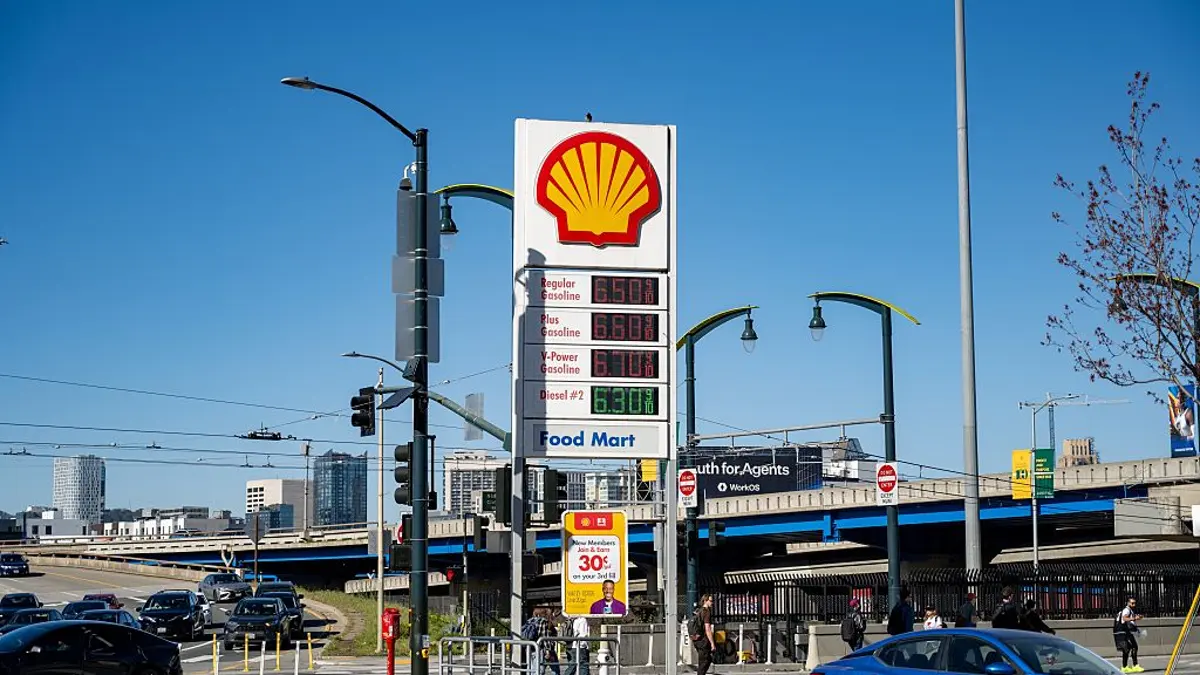
U.S. inflation accelerated sharply in April as the ongoing war with Iran continued pushing energy prices higher and adding pressure on household budgets across the country. The Labor Department reported that consumer prices rose 3.8% compared with a year earlier, marking the biggest annual increase in inflation in three years.
According to Reuters and the Associated Press, the Consumer Price Index increased 0.6% from March to April, with energy prices accounting for a major portion of the jump. Gasoline prices rose 5.4% during the month and are now more than 28% higher than a year ago. The inflation surge has been closely linked to disruption caused by the Iran war and continuing instability around the Strait of Hormuz, one of the world’s most important energy shipping routes. Oil prices have remained elevated as markets fear prolonged supply disruptions and broader geopolitical escalation. Food and transportation costs also increased noticeably. Grocery prices climbed 0.7% in April, while airline fares surged more than 20% compared with last year as higher fuel costs spread across the economy. The inflation report arrived at a politically sensitive time for President Donald Trump and Republicans ahead of the midterm elections, as voters increasingly express frustration over affordability and rising living costs.
Soaring Gas Prices Hit Consumers Nationwide
Rising gasoline prices have become one of the top economic worries of American households as the Iran war continues to disrupt global oil markets. The average price for regular gasoline climbed above $4.50 per gallon nationally, according to the Associated Press, representing a dramatic increase from last year. The conflict between the United States, Israel, and Iran has severely disrupted shipping through the Strait of Hormuz, through which roughly one-fifth of global oil supplies normally pass. Analysts said the resulting energy shock has spread quickly into fuel prices, transportation costs, and broader inflation pressures.
Many Americans are now cutting back on discretionary spending because of higher fuel and living costs. AP reported that families across the country are changing shopping habits, reducing travel, and delaying purchases as household budgets tighten further. The economic pressure has been especially difficult for lower-income households, which spend a larger share of their income on fuel, groceries, and utilities. Reuters reported that rising gasoline, diesel, and jet fuel prices are now feeding into broader supply chain costs affecting multiple industries. Some economists warned the situation increasingly resembles a “stagflation-lite” environment where inflation remains high while economic growth slows. Consumer confidence has also weakened as Americans grow more worried about the long-term impact of the conflict on the economy.
Federal Reserve Faces Growing Pressure on Interest Rates
The inflation surge has complicated the Federal Reserve’s plans for interest rates and monetary policy. Before the latest inflation report, many investors expected the Fed to begin cutting rates later this year. Those expectations have now weakened significantly. Reuters reported that financial markets increasingly expect the Federal Reserve to keep rates unchanged well into 2027 because of inflation pressures tied to the Iran conflict. Some analysts even warned that additional rate hikes could return to the discussion if inflation continues accelerating.
Core inflation, which excludes volatile food and energy prices, rose 2.8% year-over-year in April. While lower than headline inflation, economists said it still shows broader price pressure continuing throughout the economy. The inflation data also intensified political debate over Federal Reserve policy. President Trump and several Republican allies have continued pushing publicly for lower interest rates despite rising inflation concerns. Economists warned that cutting rates too quickly could risk fueling even higher inflation if energy prices remain elevated. But at the same time, persistently high rates could discourage consumer spending, stifle economic growth and increase the cost of borrowing for households and businesses.
Broader Economic and Political Risks Continue Growing
The inflation surge has increased fears that the Iran war could continue damaging both the U.S. and global economy if energy markets remain unstable. Analysts warned that prolonged disruption in the Strait of Hormuz could create additional inflation shocks later this year. Rising fuel costs are already taking a toll on transportation, aviation, food distribution and manufacturing, Reuters said. A variety of industries are warning of weaker consumer demand, as Americans spend more on necessities and less on discretionary items. The inflation report also showed that wage growth is no longer keeping up with rising prices. AP reported that real wages declined 0.3%, marking the first drop in purchasing power for workers in roughly three years.
Political pressure on the White House and Republicans is expected to intensify as inflation and affordability dominate voter concerns ahead of the November midterm elections. Democrats have already started linking the economic strain directly to the financial cost of the Iran war and rising military spending. Some policymakers have discussed temporary relief measures, including suspending the federal gas tax or expanding energy subsidies. But economists warned such steps could offer only limited short-term relief if global oil supply disruptions persist. Global markets are meanwhile still very sensitive to developments around Iran, oil shipping routes and ceasefire talks. Inflation, war risks and geopolitical instability are now more and more intertwined in ways that could define the global economy for the rest of 2026, analysts said.

Alex Thorne
Alex covers global economic shifts and their impact on consumer markets.
Related Post
Markets Turn Volatile as Iran Tensions Threaten Global Energy Supply

Emerging Markets 2026: The Rise of the 'Digital Tiger' Economies
Copper: The New Oil of the Electrification Era

Netflix Walks Away as Paramount’s $111B Bid for Warner Bros Discovery Wins
RECENT POST
- »Emerging Markets 2026: The Rise of the 'Digital Tiger' Economies
- »Family Offices in 2026: Shifting from Preservation to Planetary Impact
- »The 2026 Midterm Shift: A Deep Dive into the Battle for the House
- »Trump’s 15% Tariff Shock Sends U.S. Stock Futures Lower, Fuels Inflation Fears
- »Alzheimer’s Prediction Tool: Blood Test Estimates Symptom Onset Within 3–4 Years