South Carolina Republicans Block Effort to Redraw James Clyburn District
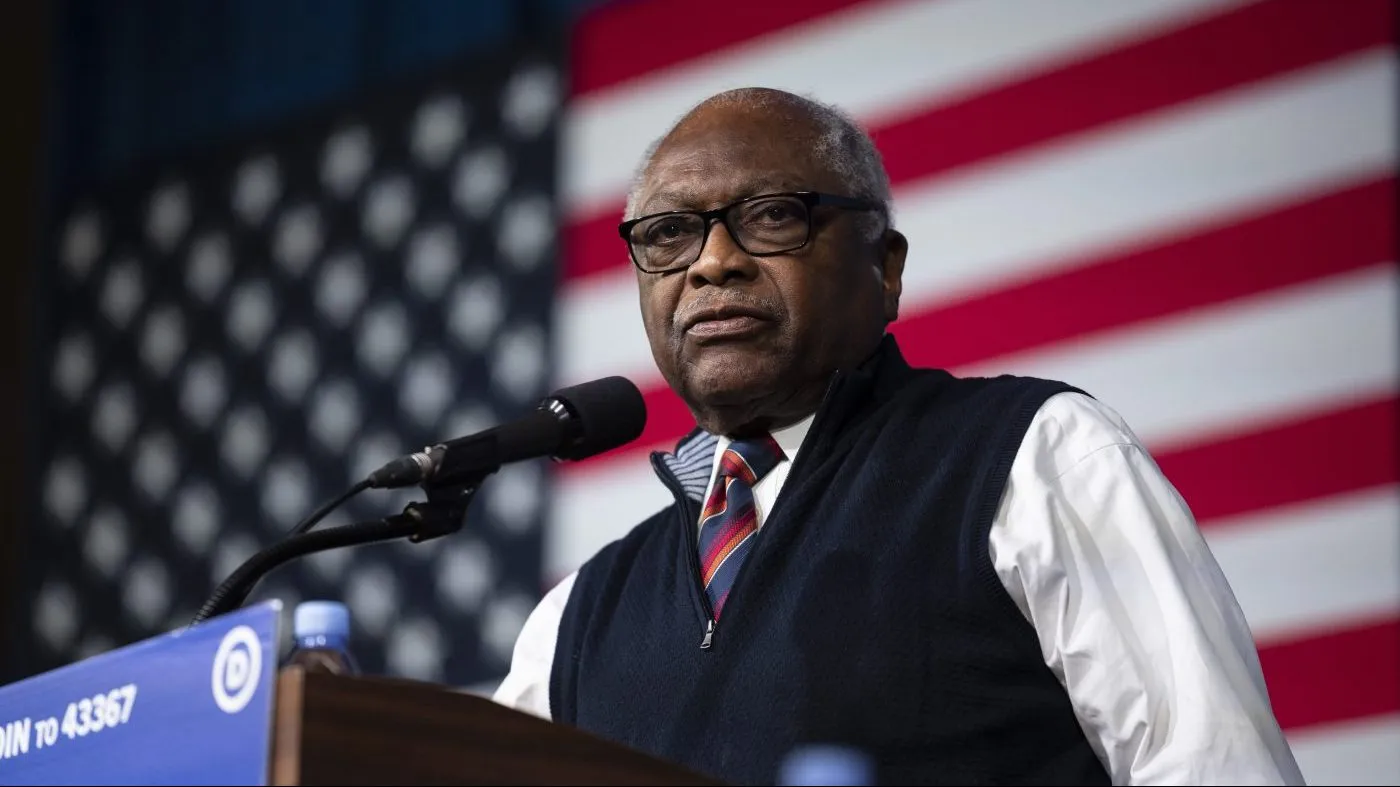
South Carolina Republicans unexpectedly blocked a redistricting proposal that could have eliminated Democratic Congressman James Clyburn’s congressional seat, creating a major political setback for national Republicans and former President Donald Trump. The effort failed in the Republican-controlled South Carolina Senate after lawmakers were unable to secure the two-thirds vote needed to extend the legislative session and approve the plan.
The proposed map would have dramatically reshaped South Carolina’s 6th Congressional District, the state’s only Democratic-held House seat and a majority-Black district represented by Clyburn for more than 30 years. Republicans hoped redrawing the district could help the GOP gain another House seat ahead of the 2026 midterm elections. Five Republican senators ultimately joined Democrats in opposing the push, defying pressure from Trump and national GOP leaders who have aggressively encouraged redistricting efforts across Republican-controlled states following recent Supreme Court rulings that weakened parts of the Voting Rights Act.
South Carolina Senate Majority Leader Shane Massey became one of the most prominent Republican voices opposing the effort. He argued the rushed process created constitutional and political risks while warning that additional gerrymandering could ultimately backfire on Republicans politically. The failed vote represented one of the clearest examples so far of Republican state lawmakers resisting Trump-backed redistricting demands during the current nationwide battle over congressional maps.
1Internal Republican Divisions Emerge Over Trump Pressure
The South Carolina vote exposed growing divisions inside the Republican Party over how aggressively states should redraw congressional maps ahead of the midterm elections. Trump had publicly pushed Republican-controlled legislatures to pursue redistricting efforts aimed at strengthening GOP control of the U.S. House of Representatives. According to reports, Trump closely monitored the South Carolina debate and publicly pressured lawmakers to move forward with the proposal.
However, several South Carolina Republicans resisted the effort, arguing the state already heavily favors Republicans politically and warning that pushing further changes could create legal, political, and electoral problems. Shane Massey said South Carolina was already “one of the most gerrymandered states in the country” and cautioned against creating maps that could eventually produce unintended consequences for Republicans. The split highlighted broader tensions inside the Republican Party between Trump-aligned lawmakers pushing aggressive political strategies and more traditional conservatives focused on institutional concerns and legal risks.
2James Clyburn’s District Becomes Center of National Voting Rights Debate
Representative James Clyburn’s district has become one of the most closely watched congressional seats in the country because it sits at the center of the national fight over voting rights and racial representation. Clyburn, one of the most influential Democrats in Congress, has represented South Carolina’s 6th District since 1993. The district stretches across South Carolina’s Black Belt and includes portions of Columbia and North Charleston. Black voters make up a large share of the district’s electorate, making it the only reliably Democratic congressional seat in the state.
Republicans hoped redrawing the district could spread Democratic and Black voters into neighboring Republican districts, potentially making all seven South Carolina congressional seats favorable to Republicans. Voting rights advocates strongly criticized the proposal and argued it would weaken Black political representation. The debate follows recent Supreme Court rulings that weakened federal protections against racial gerrymandering and encouraged several Southern states to pursue aggressive redistricting efforts.
3National Midterm Stakes Continue Driving Redistricting Battles
The failed South Carolina proposal is part of a broader national Republican effort to redraw congressional maps before the 2026 midterm elections. Republicans currently hold only a narrow majority in the House, making even a small number of additional seats politically significant. Following recent Supreme Court decisions, Republican-controlled states have increasingly moved to redraw districts during the middle of the decade rather than waiting for the next census cycle.
Democrats and civil rights groups argue Republicans are attempting to lock in long-term congressional advantages by weakening minority voting power in Southern states. Legal challenges have already been filed against several of the new maps. At the same time, Republicans argue that redistricting remains a legitimate political process controlled by state legislatures and insist Democrats have also used favorable maps in blue states when possible. Still, the national fight over congressional maps is expected to continue escalating because control of the House in 2026 could ultimately depend on only a handful of districts across several closely contested states.

David Smith
David focuses on domestic policy and the legislative battles shaping the future of American democracy.
Related Post
Senate Panel Moves Toward Contempt Vote Against Anthony Fauci Over COVID Hearing Dispute

Wesley Bell Beats Cori Bush in Missouri Primary as Democratic Party Divisions Deepen

Barack Obama Opens Presidential Center on Chicago’s South Side

Zohran Mamdani Sparks Controversy with Warning to Wealthy New Yorkers Over Pied à Terre Tax
RECENT POST
- »Reddit Shares Jump 11 After SP 500 Inclusion Announcement
- »Dow, S&P 500 and Nasdaq Hold Near Records as Investors Assess Fed Rate Outlook
- »Twitch Allows Amazon AI Training on Stream Content as Creators Receive New Opt-Out Option
- »Apple Seeks Publisher Deals to Give Siri AI Access to Real-Time News Content
- »Xbox Elite Series 3 Controller Leak Reveals Built-In Screen, Cloud Gaming Features and Replaceable Battery