Donald Trump Announces $1.8 Billion “Anti-Weaponization Fund” After IRS Settlement
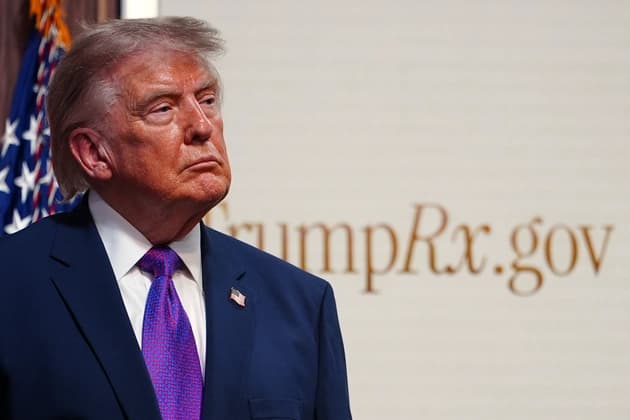
The Trump administration announced a controversial $1.8 billion Anti-Weaponization Fund tied to a settlement over leaked tax returns, triggering legal and political backlash.
The Trump administration announced the creation of a controversial $1.8 billion “Anti-Weaponization Fund” designed to compensate individuals who claim they were unfairly targeted by the federal government during previous investigations and prosecutions. The fund emerged as part of a settlement resolving Donald Trump’s $10 billion lawsuit against the IRS over the leak of his tax returns.
Trump, his sons Donald Trump Jr. and Eric Trump, and the Trump Organization agreed to dismiss their lawsuit against the IRS and Treasury Department in exchange for formal government apologies and the creation of the compensation program. The lawsuit centered on the disclosure of Trump’s tax records, which were leaked to The New York Times in 2019 by former IRS contractor Charles Littlejohn.
Under the agreement, the administration said the compensation fund will be overseen by a five-member commission appointed by acting Attorney General Todd Blanche, who previously served as one of Trump’s personal lawyers. Trump will reportedly retain authority to remove commission members.
The Justice Department stated that the fund will accept claims through December 2028 and insisted there are “no partisan requirements” for eligibility. Officials said individuals who believe they were victims of politically motivated investigations or prosecutions may apply for compensation.
Critics immediately condemned the program as legally questionable and politically dangerous. Senate Minority Leader Chuck Schumer and numerous congressional Democrats described the arrangement as a “slush fund” designed to reward Trump allies and supporters. The settlement rapidly became one of the most controversial legal and political developments of Trump’s second presidency, raising major questions about executive power, government accountability, and the use of taxpayer funds.
Treasury Department Turmoil Intensifies After Settlement
The controversy deepened after Brian Morrissey, the Treasury Department’s top lawyer and general counsel, abruptly resigned shortly after the settlement and compensation fund were announced. Reports said Morrissey stepped down without public explanation as criticism surrounding the arrangement intensified.
Morrissey had played a key role within the Treasury Department during the negotiations surrounding Trump’s IRS lawsuit. The Treasury Department is expected to help administer payments tied to the settlement through the federal government’s judgment fund. The Wall Street Journal reported that the Treasury Department expects to receive necessary payment documentation within 60 days. The agreement itself was signed by Associate Attorney General Stanley Woodward and IRS CEO Frank Bisignano.
The timing of Morrissey’s resignation fueled speculation about internal disagreements over the legality or ethics of the settlement. Critics questioned whether senior Treasury officials had concerns about using federal compensation mechanisms to support a fund potentially benefiting Trump allies and political associates.
The lawsuit itself created unusual legal complications because Trump sued federal agencies that are technically part of the executive branch he currently controls as president. Legal scholars described the arrangement as an extraordinary conflict-of-interest situation rarely seen in American government. The IRS lawsuit originally sought $10 billion in damages related to the leak of Trump’s confidential tax records. Although Trump and his family ultimately agreed not to seek direct financial compensation, the resulting compensation fund became even more politically explosive than the original lawsuit itself.
Treasury officials publicly thanked Morrissey for his service but declined to comment further on the reasons behind his departure. The resignation nevertheless intensified scrutiny surrounding the administration’s handling of the settlement and compensation fund.
Legal Experts Raise Alarm Over Fund’s Structure and Authority
Legal scholars, ethics experts, and government watchdog groups quickly raised serious concerns about the structure and legality of the “Anti-Weaponization Fund.” Critics argued the administration may lack clear legal authority to create such a large compensation program without explicit congressional approval.
The fund reportedly draws money from the federal government’s judgment fund, a permanent appropriation normally used to pay settlements and court judgments against the United States. Critics argued the administration may be stretching the purpose of the fund beyond its traditional legal boundaries. The agreement also attracted criticism because the commission overseeing payments will reportedly operate with significant secrecy. According to reports, the commission may issue confidential reports and compensation decisions without extensive public disclosure requirements.
Several legal experts questioned the connection between Trump’s IRS lawsuit and broader claims involving alleged political targeting of Trump allies, January 6 defendants, or other conservative figures. Critics argued the settlement creates an unusually broad mechanism for political compensation outside normal judicial processes. Government watchdog groups warned the arrangement could face constitutional challenges involving separation of powers, misuse of federal appropriations, and executive overreach. Some critics argued Congress should have direct oversight over any compensation system involving billions of taxpayer dollars.
The Justice Department defended the program by arguing the government has a responsibility to address instances of alleged political abuse or improper investigations. Officials insisted the fund would follow legal procedures and apply objective standards when reviewing claims. The legal controversy over the settlement thus extended well beyond the initial IRS dispute. It evolved into a major national debate about executive authority, political retaliation claims, and the boundaries of presidential power during Trump’s second administration.
Trump Allies and Political Fallout Intensify National Debate
The compensation fund immediately triggered political uproar because several prominent Trump allies indicated they expect to seek payments through the new program. MyPillow founder Mike Lindell openly stated that he anticipates receiving compensation because of investigations and legal battles connected to election conspiracy claims.
Critics argued the fund could effectively become a mechanism for rewarding Trump supporters, former advisers, January 6 defendants, and other conservative figures who faced legal scrutiny during previous administrations. Opponents described the arrangement as unprecedented politicization of government compensation systems.
Trump himself attempted to distance himself somewhat from direct management of the fund, telling reporters he “wasn’t involved” in creating the compensation system. However, he praised the program and said it had been “well received.” The administration insisted the program is intended to address broader concerns about alleged government “weaponization” rather than benefit Trump personally. Officials emphasized that Trump and his family will not receive direct monetary payments from the settlement itself.
Democrats sharply criticized the arrangement, arguing it represents a dangerous erosion of legal norms and governmental neutrality. House Democrats described the settlement as “corruption unparalleled” and warned it could permanently damage public trust in federal institutions. The controversy also intensified broader debates about investigations into Trump and his associates during the Russia probe, Mar-a-Lago classified documents case, tax investigations, and January 6 prosecutions. Supporters of the administration argued many conservatives were unfairly targeted by politically motivated investigations.
The compensation fund therefore became more than a legal settlement. It evolved into a major political symbol of Trump’s broader effort to reshape federal institutions and challenge investigations conducted during previous administrations.

Sarah Jenkins
Sarah covers the intersection of national politics and legal controversies.
Related Post
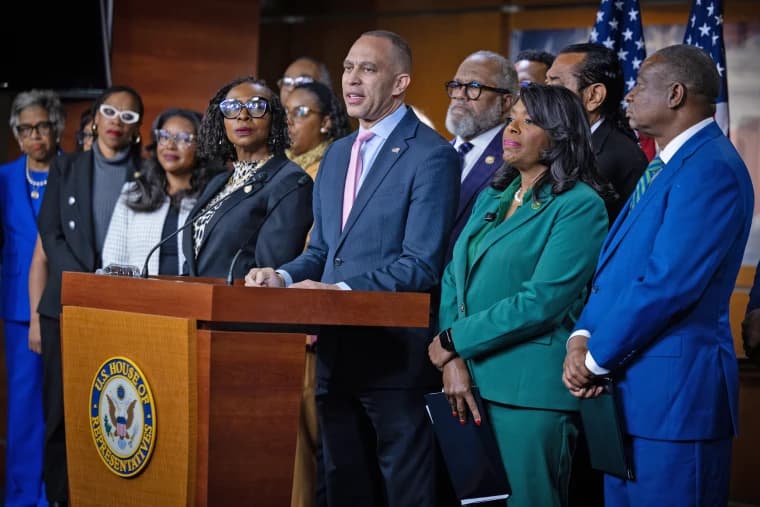
Louisiana Republicans Advance Congressional Map Reducing Majority-Black Districts
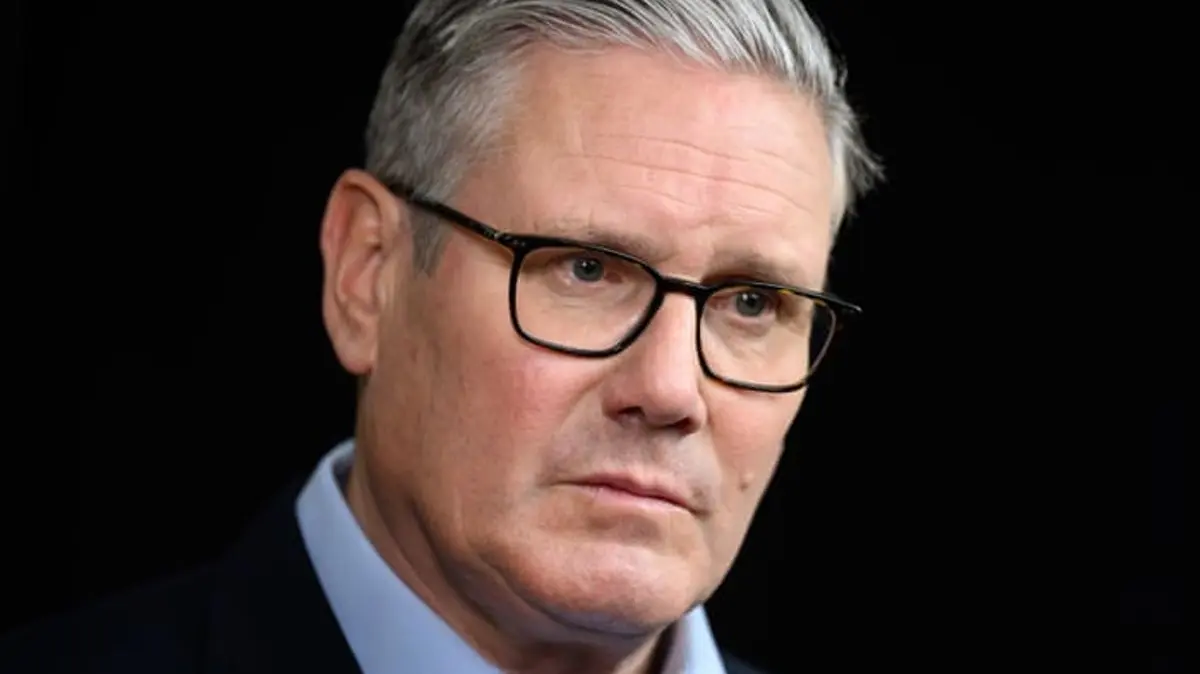
Keir Starmer Faces Growing Revolt Within Labour After Election Setback
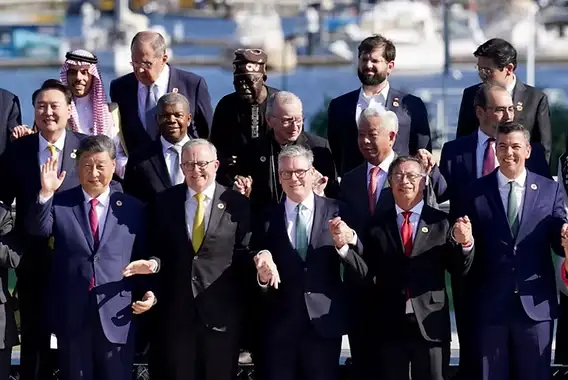
Global Summit Addresses Rising Inflation Concerns
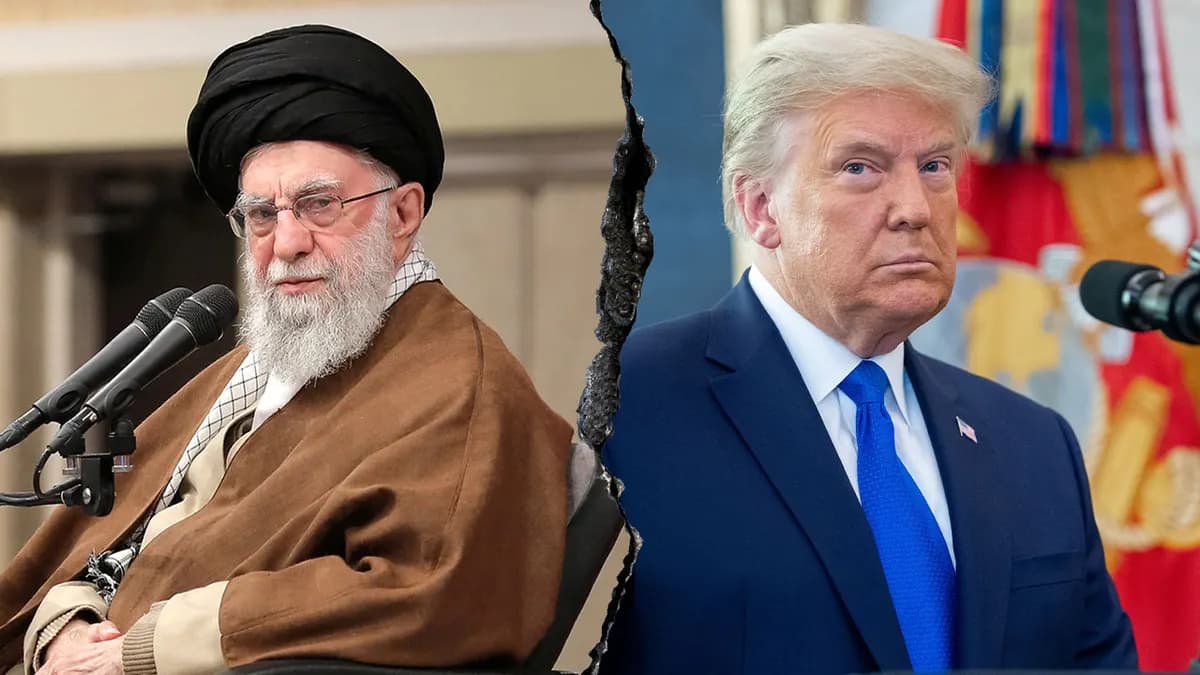
Trump Warns Iran on Nuclear Weapons as U.S. Builds Military Presence Ahead of Talks
RECENT POST
- »Emerging Markets 2026: The Rise of the 'Digital Tiger' Economies
- »Family Offices in 2026: Shifting from Preservation to Planetary Impact
- »Louisiana Republicans Advance Congressional Map Reducing Majority-Black Districts
- »Trump’s 15% Tariff Shock Sends U.S. Stock Futures Lower, Fuels Inflation Fears
- »OpenAI Reportedly Explores Legal Options Against Apple Over AI Partnership