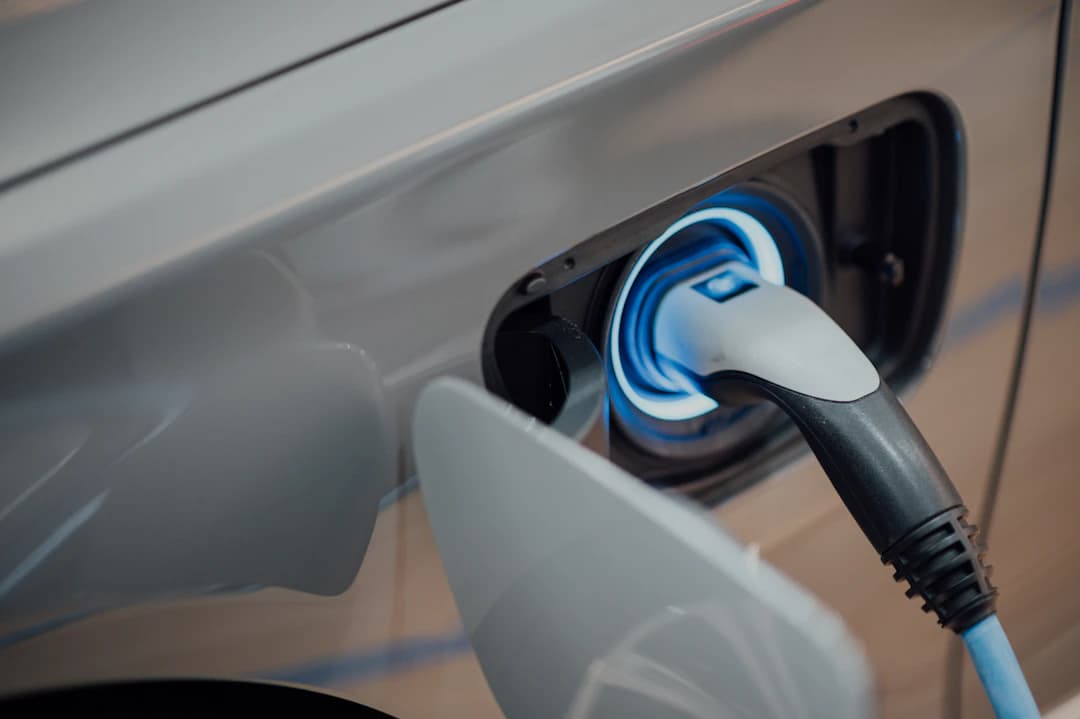
A breakthrough in solid-state electrolyte design promises to double EV range and halve charging times, potentially ending range anxiety for good.
Current Lithium-ion batteries use a liquid electrolyte, which is heavy, flammable, and limited in its energy density. Solid-state batteries replace this with a ceramic or polymer electrolyte. The result is a battery that is safer, lighter, and much more powerful. For a decade, this technology was 'just five years away.' But recent pilot production lines from Toyota and several Silicon Valley startups suggest that the commercial era of solid-state has finally arrived.
The Supply Chain Shift
This technology also changes the geopolitical map of energy. Modern batteries require massive amounts of cobalt and nickel—minerals often sourced from politically unstable regions. Many solid-state designs use far less of these problematic materials, potentially reducing the West's reliance on fragile supply chains. The Quest for Profit is now a race for mineral independence.
The car of the future isn't a computer on wheels; it's a battery on wheels with a computer inside.
But cost remains the barrier. For now, solid-state batteries are significantly more expensive to produce than their liquid counterparts. The first applications will be in luxury vehicles and high-performance aircraft (like electric vertical take-off and landing vehicles, or eVTOLs). Scale will eventually bring the price down, just as it did for LEDs and solar panels. The 2030s will be the decade where the internal combustion engine is finally relegated to the museum.

Robert Miller
Robert tracks the hard-tech breakthroughs that will power a carbon-neutral world.
Related Post
Alzheimer’s Prediction Tool: Blood Test Estimates Symptom Onset Within 3–4 Years

Meta's Smart Glasses: The End of the Smartphone Era?

Hyper-Automation: The New Standard for Enterprise Efficiency

Generative AI: Moving Beyond the Hype to Enterprise Reality
RECENT POST
- »Emerging Markets 2026: The Rise of the 'Digital Tiger' Economies
- »Family Offices in 2026: Shifting from Preservation to Planetary Impact
- »The 2026 Midterm Shift: A Deep Dive into the Battle for the House
- »Trump’s 15% Tariff Shock Sends U.S. Stock Futures Lower, Fuels Inflation Fears
- »Alzheimer’s Prediction Tool: Blood Test Estimates Symptom Onset Within 3–4 Years