SpaceX Successfully Launches Starship V3 in Major Milestone for Mars Program
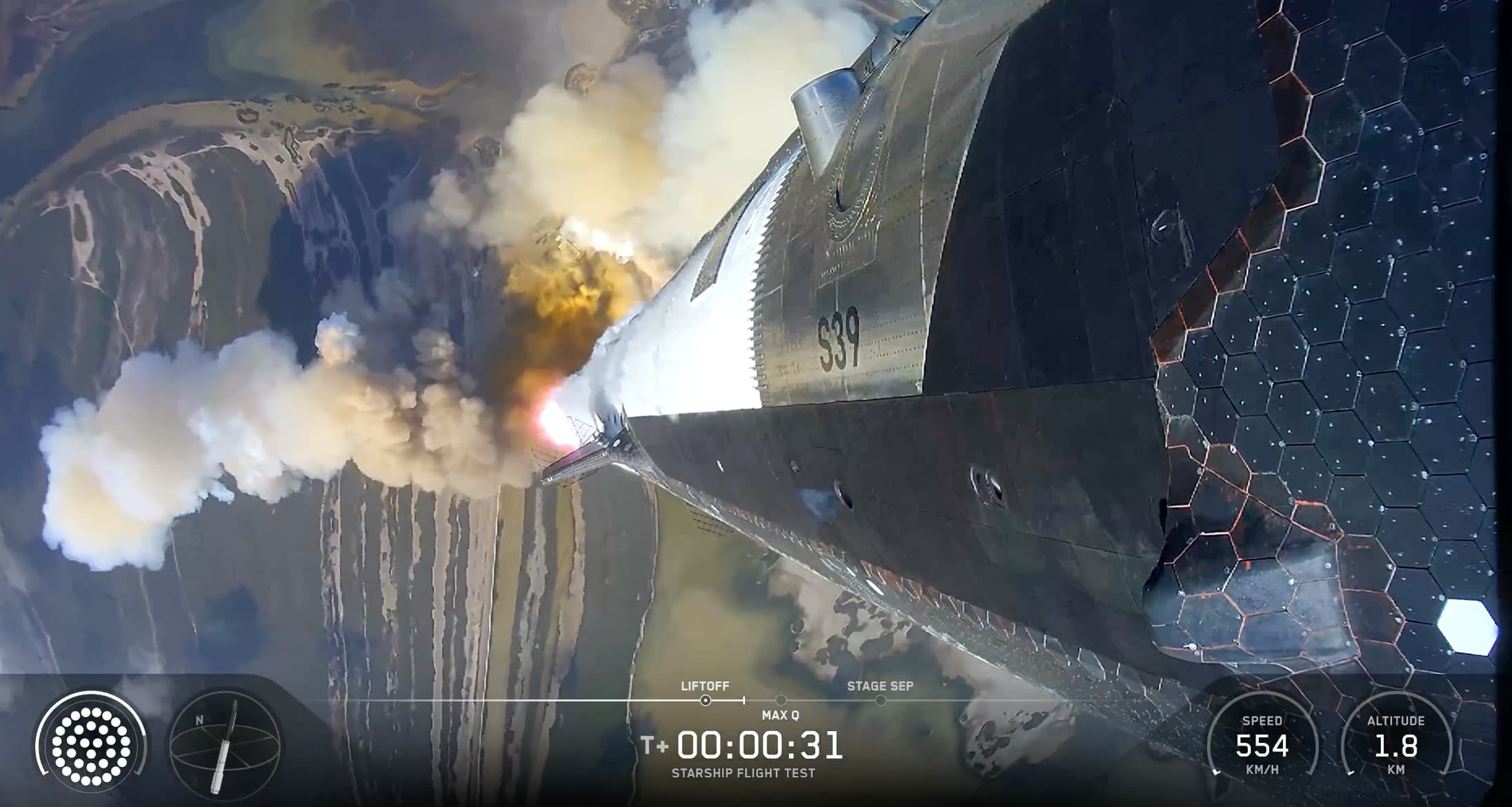
SpaceX successfully launched its massive upgraded Starship V3 rocket on a dramatic test flight from Starbase, Texas, marking one of the most important milestones yet in Elon Musk’s long-term mission to transform space travel and eventually send humans to Mars. The gigantic rocket system, standing more than 407 feet tall, blasted off from the company’s launch facility during the 12th integrated Starship test flight and the first-ever launch of the new V3 configuration. The mission represented a major step forward for SpaceX because the upgraded version of Starship includes significant engineering changes designed to improve payload capacity, orbital performance, fuel efficiency, and long-term reusability. SpaceX engineers and investors alike closely watched the launch because Starship remains central to the company’s future business strategy, NASA lunar missions, and Musk’s ambitions of building a permanent human settlement on Mars.
The launch came after an earlier attempt was scrubbed due to technical problems involving propellant temperatures and ground systems, highlighting the extreme complexity involved in operating the world’s most powerful rocket system. When the engines finally ignited successfully, Starship V3 roared into the sky with unprecedented thrust, creating a spectacular display visible for miles across South Texas. The upgraded vehicle features major improvements to both the Super Heavy booster and the upper-stage spacecraft, including redesigned structures, advanced Raptor 3 engines, improved thermal protection systems, and modifications aimed at future orbital refueling missions. SpaceX has described Starship V3 as a critical evolutionary step toward fully reusable deep-space transportation systems capable of carrying large cargo loads and human crews beyond Earth orbit.
According to SpaceX and industry reports, the test flight achieved several major objectives despite experiencing some technical issues during the mission. After liftoff, the upper-stage spacecraft successfully separated from the Super Heavy booster and continued its journey into space. The mission also included the deployment of mock Starlink satellites, a key demonstration designed to test Starship’s future commercial payload capabilities. During reentry, the spacecraft reportedly survived atmospheric heating and completed a controlled splashdown in the Indian Ocean, an important achievement for the program’s long-term reusability goals. However, the mission was not entirely flawless. One of the spacecraft’s engines reportedly failed during flight, while the Super Heavy booster did not complete its planned return maneuver successfully. Even so, analysts and aerospace experts described the mission as a significant technical success overall because the vehicle accomplished many of its core testing objectives.
Starship V3 represents the most advanced version of the rocket system developed so far and is widely viewed as the likely foundation for SpaceX’s future deep-space transportation network. Unlike earlier versions, V3 incorporates hardware specifically designed to support orbital refueling — a technology considered essential for long-distance missions to the Moon and Mars. NASA is already relying heavily on Starship for its Artemis lunar exploration program, with future astronaut missions expected to use specially modified Starship variants as lunar landers. Musk has repeatedly stated that making Starship fully reusable is the key to dramatically lowering the cost of spaceflight and enabling humanity to become a multi-planetary species. SpaceX believes rapid reuse of both the booster and spacecraft could eventually make launches far cheaper and more frequent than traditional rocket systems operated by government agencies or competitors.
The successful launch also arrives at a critical financial moment for SpaceX. Reports indicate the company is preparing for a massive secondary share sale that could value the privately held aerospace giant at more than $200 billion, making it one of the most valuable private companies in the world. Investor confidence in SpaceX remains exceptionally strong because of the company’s dominance in commercial satellite launches, the rapid expansion of Starlink, and the enormous long-term potential of Starship itself. Analysts say every Starship test flight now carries both technological and financial significance because the rocket’s future success could determine the company’s ability to expand into global cargo transport, lunar logistics, space tourism, and eventually interplanetary missions.
Despite the excitement surrounding the mission, Starship development remains highly experimental and risky. Previous test flights ended in explosions, loss of communication, or failed reentry attempts, reflecting the enormous technical challenges involved in building fully reusable heavy-lift rockets. SpaceX intentionally embraces rapid testing and public failures as part of its engineering philosophy, believing that fast iteration accelerates innovation compared to slower traditional aerospace development methods. Critics, however, continue raising concerns about environmental impacts, launch safety, and the unpredictability of aggressive testing schedules. Federal regulators and environmental groups have increasingly scrutinized Starbase operations because of noise, debris risks, and ecological concerns affecting nearby coastal habitats.
The broader global aerospace industry is also watching Starship V3 closely because the rocket could fundamentally reshape the economics of space exploration if it eventually becomes fully operational. Traditional rockets are typically discarded after use, making launches extremely expensive. SpaceX hopes Starship will function more like a commercial airplane system, with rapid turnaround times and repeated flights using the same hardware. Such a system could dramatically reduce launch costs for satellites, scientific missions, military payloads, and human exploration programs. Some analysts believe Starship may eventually become the most important space transportation platform ever developed if the company succeeds in achieving full reusability at scale.
For Elon Musk, the launch represented another major step toward ambitions that many once considered science fiction. Musk has repeatedly said he wants Starship to eventually transport humans to Mars and help establish a self-sustaining city on the planet within the coming decades. While those goals remain highly ambitious and technically uncertain, each successful Starship test moves SpaceX closer to proving that large-scale reusable space travel is possible. The company is expected to conduct additional Starship V3 launches later this year as engineers continue refining the rocket’s systems, recovery procedures, and orbital capabilities. Investors, governments, and space enthusiasts around the world will now be watching closely to see whether SpaceX can continue transforming experimental test flights into the foundation of a new era in human space exploration.

Emily Rodriguez
Emily covers the intersection of technology, aerospace, and innovation.
Related Post

OpenAI Reportedly Explores Legal Options Against Apple Over AI Partnership

Waymo Driverless Cars Become Trapped in Atlanta Suburb After Glitch

Meta Sued by Major Publishers Over AI Training Data

Google Chrome Criticized Over Hidden Gemini Nano AI Downloads
RECENT POST
- »Emerging Markets 2026: The Rise of the 'Digital Tiger' Economies
- »Family Offices in 2026: Shifting from Preservation to Planetary Impact
- »Louisiana Republicans Advance Congressional Map Reducing Majority-Black Districts
- »Marco Rubio Pushes US Energy Exports During Critical India Visit
- »OpenAI Reportedly Explores Legal Options Against Apple Over AI Partnership