Apple arrived at its Worldwide Developers Conference with something to prove.
For two years, the company has faced questions about its artificial intelligence strategy. Promised features slipped. Product rollouts were delayed. Rivals moved faster. Investors, developers, and analysts came to WWDC looking for one thing: evidence that Apple can still compete in the AI race.
The timing matters. While Apple has spent years emphasizing privacy and on-device computing, competitors have flooded the market with increasingly capable AI tools. Google continues to expand Gemini. Microsoft has woven AI across its products. OpenAI has become a dominant force in consumer artificial intelligence. Apple, by comparison, has spent much of the past two years explaining what is coming next.
That is why WWDC became more than another software event. It became a test of credibility. Investors wanted details, not promises. Developers wanted tools they could actually build with. Consumers wanted to know whether Apple's products would become meaningfully smarter in the years ahead.
At the center of those questions sits a familiar name: Siri.
Siri's Problems Have Become Impossible to Ignore
Siri helped introduce millions of people to voice assistants. Today, it is often cited as an example of how quickly the market has changed.
Apple had promised a more capable version of Siri. The company spoke of deeper personalization, better awareness of user context, and the ability to handle more complex requests naturally across apps and devices. Many of those features never arrived on schedule.
Users were frustrated by the delays and investors were worried. Apple's flagship voice assistant was falling behind as rivals began to deploy ever more sophisticated AI assistants. The problem is bigger than Siri itself. Voice assistants are the front door to modern day AI experiences. If Siri seems limited, consumers could wonder about Apple's broader AI ambitions. Analysts increasingly view the assistant as a measure of whether Apple's artificial intelligence efforts are succeeding or falling behind.
Fixing Siri is not simply about adding new features. Apple has to build a system that works reliably and upholds the privacy and security standards that define its brand. That balancing act has proven more difficult than many expected.
WWDC offered Apple an opportunity to show that progress is finally arriving. Anything less risked fueling concerns that the company remains stuck in catch-up mode.
Partnership Speculation Adds New Questions
Another topic dominated discussions before the conference began. Would Apple rely more heavily on outside AI companies?
Reports ahead of WWDC suggested the company may expand partnerships with leading AI developers as it works to improve Siri and accelerate AI deployment across its ecosystem. Much of the speculation focused on potential integrations involving Gemini, Google's AI platform. Such a move would not be unprecedented. Apple has previously worked with outside technology partners when it believed doing so could improve the user experience.
The idea reflects a reality facing much of the technology industry. Building advanced AI systems requires enormous resources, massive datasets, and years of development. Even companies as big as Apple feel the pressure to move faster than internal development cycles sometimes permit. A partnership approach could help Apple close gaps more quickly, while continuing to develop its own long-term AI technology. There are risks. Apple’s reputation is built on a tight control of hardware, software and user experience. Any deeper collaboration with external AI providers would have to fit within that framework. Privacy protections remain particularly important as AI systems gain access to more personal information.
Investors are watching closely because artificial intelligence is increasingly viewed as a major driver of future smartphone sales, software services, and ecosystem growth. A clear strategy matters almost as much as the technology itself.
Investors Want Progress, Not Potential
Apple has heard this story before. The company rarely rushes into emerging technology markets. It often arrives later than competitors, then focuses on refinement, integration, and ease of use. That strategy has worked repeatedly over the past two decades.
The question now is whether artificial intelligence will follow the same pattern. Many investors believe Apple still possesses enormous advantages. The company controls a vast ecosystem of devices. It has a dedicated customer base. It has the financial power to spend big on AI development.
But confidence has its limits. After a number of delays and missed deadlines patience is wearing thin. Investors are looking for measurable progress over long-term vision statements more and more.
Developers came to WWDC looking for new AI tools and application programming interfaces that could help create smarter apps. Consumers wanted signs that future iPhones, iPads, and Macs will offer experiences that feel genuinely more intelligent.
Analysts argue Apple does not necessarily need the world's most powerful AI model to succeed. Its strength has always been integration. If the company can deliver useful AI features across billions of devices while protecting user privacy, it may still carve out a powerful position in the market. That remains a big "if."
As WWDC 2026 kicks off, Apple faces a simple but significant challenge. Convince developers. Reassure investors. Show consumers that the company has a clear plan for the AI era. The technology industry has largely moved beyond asking whether artificial intelligence matters. The debate now is about who can execute. For Apple, WWDC may be remembered less for what was announced and more for whether the company convinced the market that it can finally deliver.

Sarah Jenkins
Sarah covers the intersection of biotechnology, health tech, and consumer electronics.
Related Post
Waymo Driverless Cars Become Trapped in Atlanta Suburb After Glitch
SpaceX Successfully Launches Starship V3 in Major Milestone for Mars Program
Intel Launches Arc G3 Chips for Handheld Gaming PCs
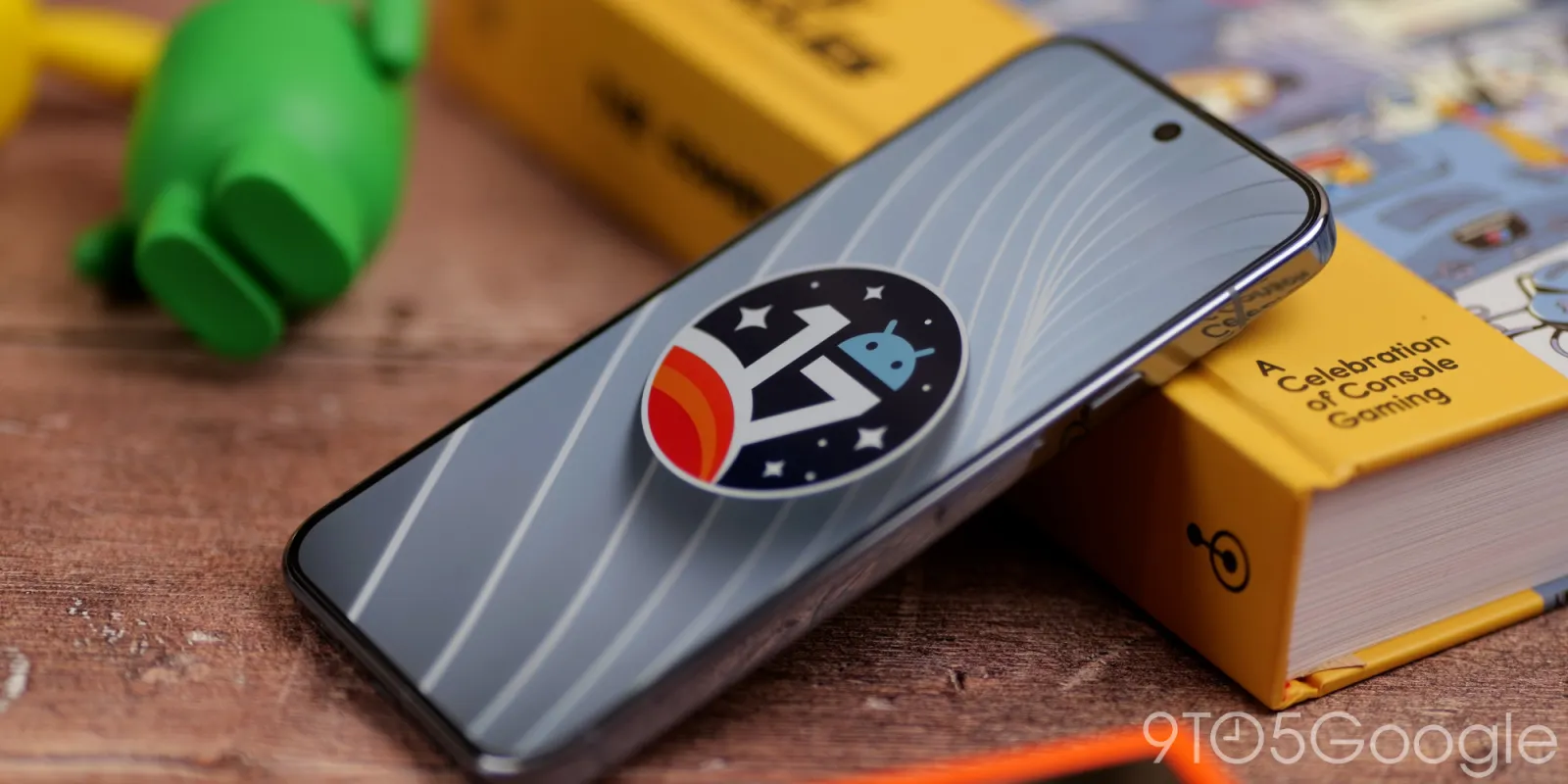
Google Releases Surprise Android 17 Beta 4.1 Update for Pixel Devices
RECENT POST
- »Asian Markets Rally as United States and Iran Move Closer to Possible Deal
- »Family Offices in 2026: Shifting from Preservation to Planetary Impact
- »Louisiana Republicans Advance Congressional Map Reducing Majority-Black Districts
- »Marco Rubio Pushes US Energy Exports During Critical India Visit
- »Apple WWDC 2026 Focuses on AI Progress and Siri Improvements