United States Inflation Hits Highest Level in Nearly Three Years
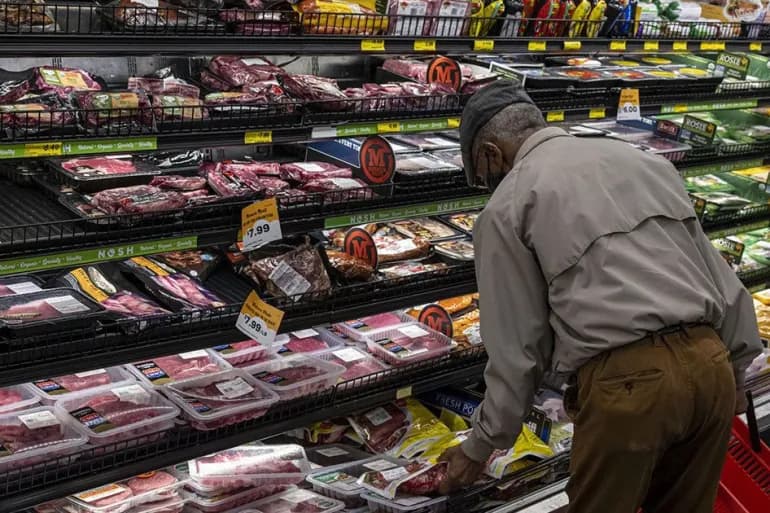
Inflation in the United States accelerated in April, reaching one of its highest levels in nearly three years and reinforcing concerns that price pressures remain deeply embedded in the economy. According to data released by the Commerce Department, the Personal Consumption Expenditures price index — the Federal Reserve’s preferred inflation measure — rose 3.7% from a year earlier, up from 3.3% in March.
Core inflation, which excludes volatile food and energy prices, also remained elevated. Reuters reported that core PCE inflation increased 3.6% year-over-year, signaling persistent pressure across a broad range of consumer categories. Economists noted that the latest figures complicate expectations that inflation would steadily decline during 2026.
USA Today described the April inflation reading as the highest annual pace since mid-2023. The report noted that rising prices for services, housing, transportation and imported consumer goods contributed heavily to the increase. Analysts also pointed to the growing impact of tariffs and higher shipping costs tied to global trade tensions and Middle East instability.
Economists warned that inflation is proving more difficult to contain than policymakers previously expected. While some goods prices stabilized earlier in the year, new pressure from tariffs, energy markets and labor costs has kept overall inflation elevated. Reuters reported that several analysts now believe inflation could remain above the Federal Reserve’s 2% target well into 2027.
The latest figures increased pressure on the Federal Reserve as officials continue debating whether interest rates need to remain high for a longer period. Markets reacted by reducing expectations for near-term rate cuts, with investors increasingly concerned that inflation momentum may persist through the second half of the year.
The inflation report therefore reinforced fears that the U.S. economy is sensitive to domestic cost pressures and larger geopolitical disruptions that affect global markets and supply chains.
Tariffs and Trade Policies Add to Price Pressures
The growing importance of tariffs and international trade tensions has been a driving force behind renewed fears of inflation. Economists cited in Reuters and AP reports warned that President Donald Trump’s trade policies are increasingly contributing to higher costs for businesses and consumers across the United States.
The Trump administration recently expanded tariffs on imported goods from China and several other trading partners as part of its broader economic strategy. Businesses reported that many of those higher import costs are now being passed directly to consumers through increased retail prices.
Reuters noted that prices for household goods, electronics, appliances and certain food products have all experienced upward pressure because of tariffs and disrupted supply chains. Shipping costs also increased amid continued instability in global trade routes linked to Middle East tensions and the Strait of Hormuz conflict.
As the costs of tariffs increased, more companies warned that uncertainty was making long-term planning difficult, with some companies rushing to raise prices in anticipation of future import costs, while others cut inventory orders due to uncertainty about future trade policy changes.
The administration said the tariffs were necessary to shield American manufacturing and cut dependence on foreign supply chains. White House officials argued that the policies would strengthen domestic industry over time even if they contributed to short-term price increases.
Critics, however, argued that tariffs are worsening inflation at a time when consumers are already struggling with elevated housing, food and transportation costs. Economists warned that extended trade disputes could keep stoking inflation while also dampening economic growth and undermining consumer confidence.
The tariff debate has become a lightning rod for broader discussions about inflation, economic strategy and the future direction of U.S. trade policy.
Consumer Spending Tapers as Households Face Rising Costs
At the same time inflation accelerated, consumer spending showed signs of tapering off as households dealt with rising costs and mounting economic uncertainty. Reuters reported that consumer spending increased only modestly in April, suggesting Americans may be becoming more cautious after months of persistent inflation pressure.
Economists noted that higher prices for gasoline, groceries, housing and imported goods are increasingly straining household budgets. Many consumers are still spending because of strong employment conditions, but analysts warned that purchasing power is gradually weakening as inflation outpaces wage growth in several sectors.
Americans are increasingly using savings and credit to maintain spending levels, the AP reported. The savings rate is still low by historic standards, but credit card balances continue to grow. Economists warn this is not a sustainable trend if inflation continues to stay high for an extended period.
Gasoline prices became a particularly important concern after renewed volatility in global oil markets tied to the Iran conflict. The rise in fuel prices has directly translated into increased transportation and shipping costs but also impacted consumer sentiment.
Retailers and businesses are also starting to see changes in consumer behavior. Some households are delaying big-ticket purchases, cutting back on discretionary spending or choosing cheaper options as prices keep rising, analysts said.
Although the pace of spending growth has slowed, the broader economy has held up well on the back of a strong jobs market and continued business investment. But economists warned that persistent inflation combined with weakening consumer demand could eventually drag overall economic growth down more significantly.
The latest data therefore highlighted the difficult balancing act facing both consumers and policymakers as inflation continues affecting nearly every part of the economy.
Federal Reserve Faces Pressure Over Interest Rate Decisions
The stronger-than-expected inflation figures intensified pressure on the Federal Reserve as officials continue weighing how long interest rates should remain elevated. Reuters reported that the latest data reduced market expectations for rate cuts later this year because inflation appears to be stabilizing above the Fed’s target.
Federal Reserve officials have repeatedly emphasized that inflation must move convincingly toward 2% before major rate reductions can occur. The April PCE report suggested that progress toward that goal may be slowing or even reversing in some categories.
USA Today reported that investors reacted by pushing Treasury yields higher and adjusting forecasts for future monetary policy. Financial markets increasingly expect the Fed to keep borrowing costs elevated well into 2027 if inflation remains stubbornly high.
The Federal Reserve now faces competing risks. Such a move could allow inflation to accelerate further, economists said, while holding interest rates too high for too long could weaken economic growth, cut hiring and increase the risk of recession. The current environment is among the most difficult policy settings facing the Fed since the post-pandemic inflation surge earlier in the decade, economists said.
Officials are also still concerned about how geopolitical instability could continue to influence inflation through energy markets and supply chains. Rising oil prices, shipping disruptions and tariff pressures all complicate the Fed’s efforts to stabilize prices using traditional monetary policy tools.
Analysts noted that the inflation data may also affect political debates surrounding economic policy ahead of upcoming elections. Rising prices remain one of the most important concerns for American voters, and inflation trends are increasingly shaping discussions about tariffs, government spending and Federal Reserve policy.
The April inflation report therefore reinforced uncertainty about both the direction of the U.S. economy and the future path of monetary policy in the months ahead.

Michael Chen
Michael Chen covers monetary policy, Federal Reserve actions, and global financial markets.
Related Post
U.S. Producer Inflation Hits Four-Year High as Iran War Drives Energy Costs Up

European Firms Say China Remains Too Important to Abandon
Snowflake Shares Jump After Strong Earnings and Massive AWS AI Deal

NextEra Energy to Acquire Dominion Energy in $67 Billion AI-Powered Utility Deal
RECENT POST
- »Asian Markets Rally as United States and Iran Move Closer to Possible Deal
- »Family Offices in 2026: Shifting from Preservation to Planetary Impact
- »Louisiana Republicans Advance Congressional Map Reducing Majority-Black Districts
- »Marco Rubio Pushes US Energy Exports During Critical India Visit
- »OpenAI Reportedly Explores Legal Options Against Apple Over AI Partnership