Michael Barr Warns Private Credit Risks Could Trigger Broader Financial Stress
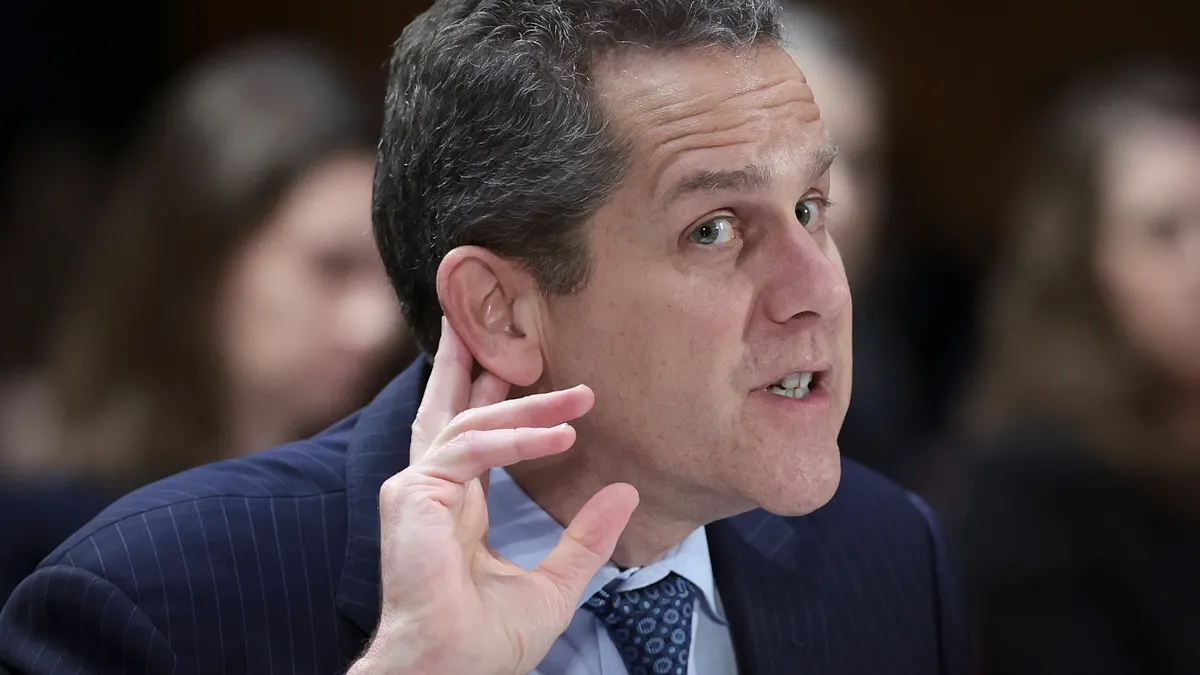
Michael Barr is the latest official to issue a warning on private credit-related worries, claiming that stress in the market could cause 'psychological contagion' and spark a larger credit crunch. He said that, while direct connections between banks and private lending do not appear to be 'super worrisome,' other areas, such as the insurance industry's ties to private lenders, are nonetheless cause for concern.
'Then you have the problem of psychological contagion,' Barr said, stressing that individuals may observe problems in private credit and conclude that there are larger flaws in the business sector and even in corporate bond markets. 'Then you could have a credit pullback, and that could lead to more financial strain,' he said.
His comments come as regulators keep an eye on the private credit industry, which is growing quickly and is becoming a new way to get money besides traditional banks.
This is basically a warning about something that could quietly turn into a bigger problem. Michael Barr is saying the fast-growing private credit world might look fine on the surface — but if cracks start to show, it could spook investors and spread fear across the wider financial system.
Growth of the Private Credit Market and Emerging Stress
Barr has repeatedly pointed to vulnerabilities in the financial system, including the roughly $1.8 trillion private credit sector. Earlier this year, investors sought to withdraw around $5 billion from funds with limited liquidity, creating redemption pressures.
Private credit firms have come under pressure during the recent market downturn, with some investors stepping back amid concerns about valuations and lending standards following high-profile bankruptcies.
In the past few years, the market has grown quickly, drawing in money as businesses look for other ways to borrow money than through banks. However, this expansion has also raised questions about how resilient the sector will be during economic stress.
Concerns Over Transparency and Lending Practices
One of the biggest problems with private credit is that it's not as clear as regular financial markets. People usually keep loans in private portfolios and value them internally, which can make it hard to see bad credit conditions until they get worse.
Barr also didn't like payment-in-kind agreements, in which borrowers take on more debt instead of paying cash to meet their interest obligations. He said that this practice can hide the real health of loans, making it hard to find stress in the system.
Industry and Banking Sector Concerns
Big names in finance have also said they are worried about the private credit market. Jamie Dimon warned that not all companies in the sector will perform well in a downturn, given the large number of participants and varying underwriting standards.
Wall Street banks, many of which have expanded into private lending, have acknowledged that losses and restructurings are likely, even while remaining optimistic about the sector’s long-term prospects.
Regulatory Debate and Broader Financial Risks
Barr has also raised concerns about efforts to loosen banking regulations, describing calls to reduce liquidity requirements for major banks as 'super-short sighted.' He argued that deregulation could weaken safeguards that have helped maintain financial stability, while benefiting executives more than the broader economy.
“So that’s who’s benefiting from this deregulation, not farmers and ranchers, not small business owners, not the US Treasury market,” he said.
The big question is how long this will last. If gas prices stay high, people will probably stop buying things they don't need, which is when the economy as a whole might start to feel it.

Michael Chen
Michael Chen provides deep dives into consumer trends and global economic shifts.
Related Post
IRS Tax Refunds 2026: Average Payout Jumps 10.9% to $2,290 Despite Slower Filing

US Economy Slows to 1.4% Growth as Shutdown and Weak Spending Weigh on GDP

Tesla Q1 Earnings Beat Expectations Amid Rising Competition

The Rise of the Central Bank Digital Currency (CBDC): A 2026 Global Update
RECENT POST
- »Emerging Markets 2026: The Rise of the 'Digital Tiger' Economies
- »Family Offices in 2026: Shifting from Preservation to Planetary Impact
- »The 2026 Midterm Shift: A Deep Dive into the Battle for the House
- »Trump’s 15% Tariff Shock Sends U.S. Stock Futures Lower, Fuels Inflation Fears
- »Alzheimer’s Prediction Tool: Blood Test Estimates Symptom Onset Within 3–4 Years