Oil Prices Rise as United States-Iran Talks Keep Markets on Edge

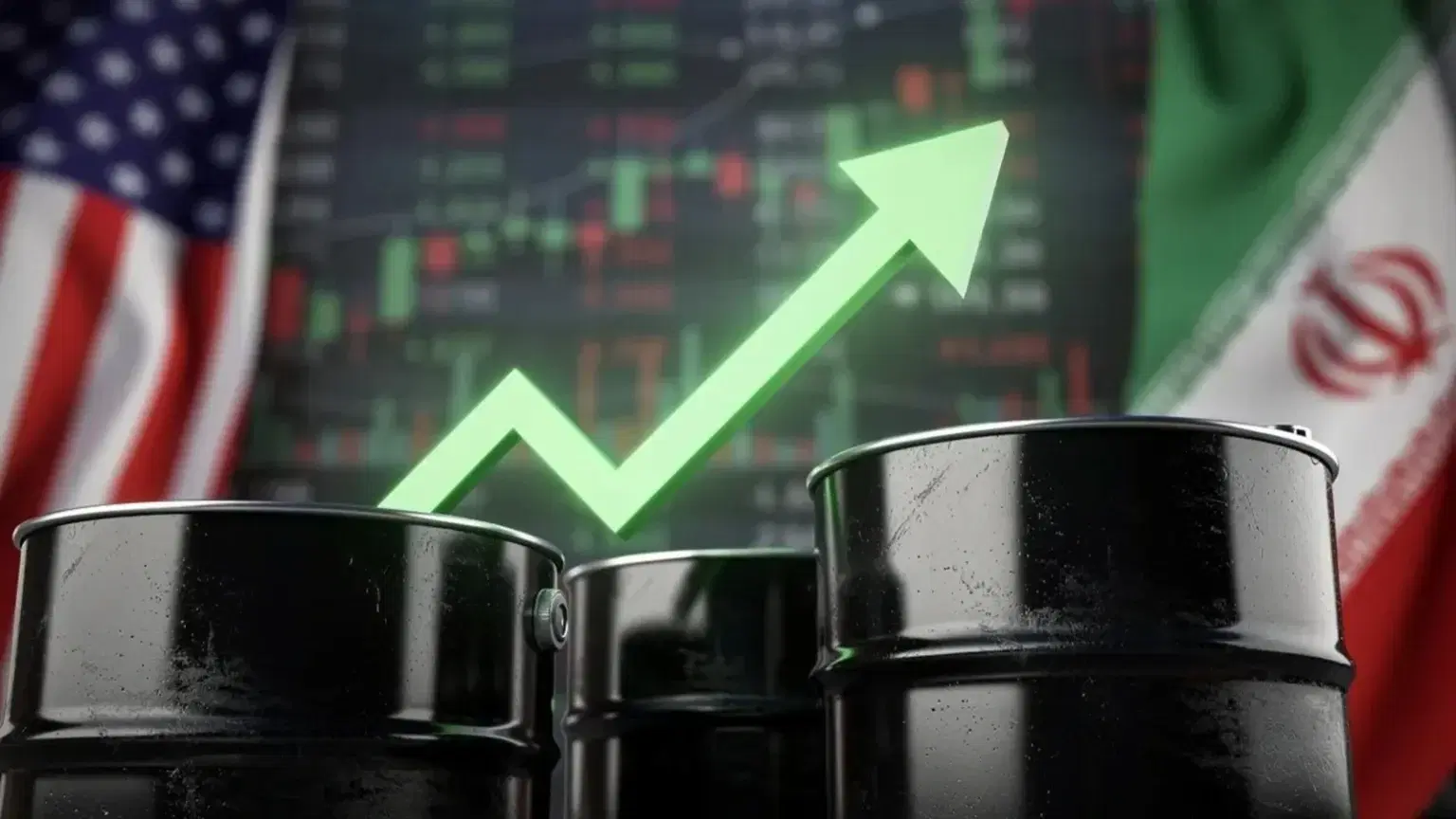
Oil prices moved higher as investors grew increasingly cautious about the uncertain state of negotiations between the United States and Iran, while global stock markets extended their strong rally.
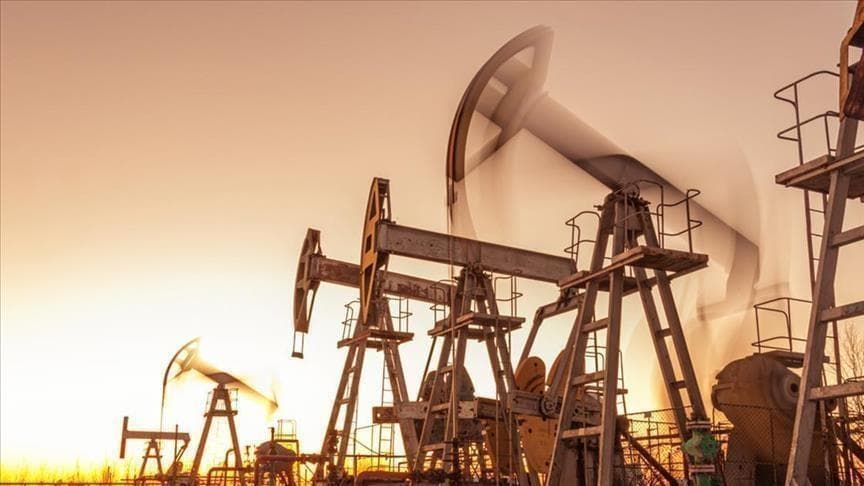
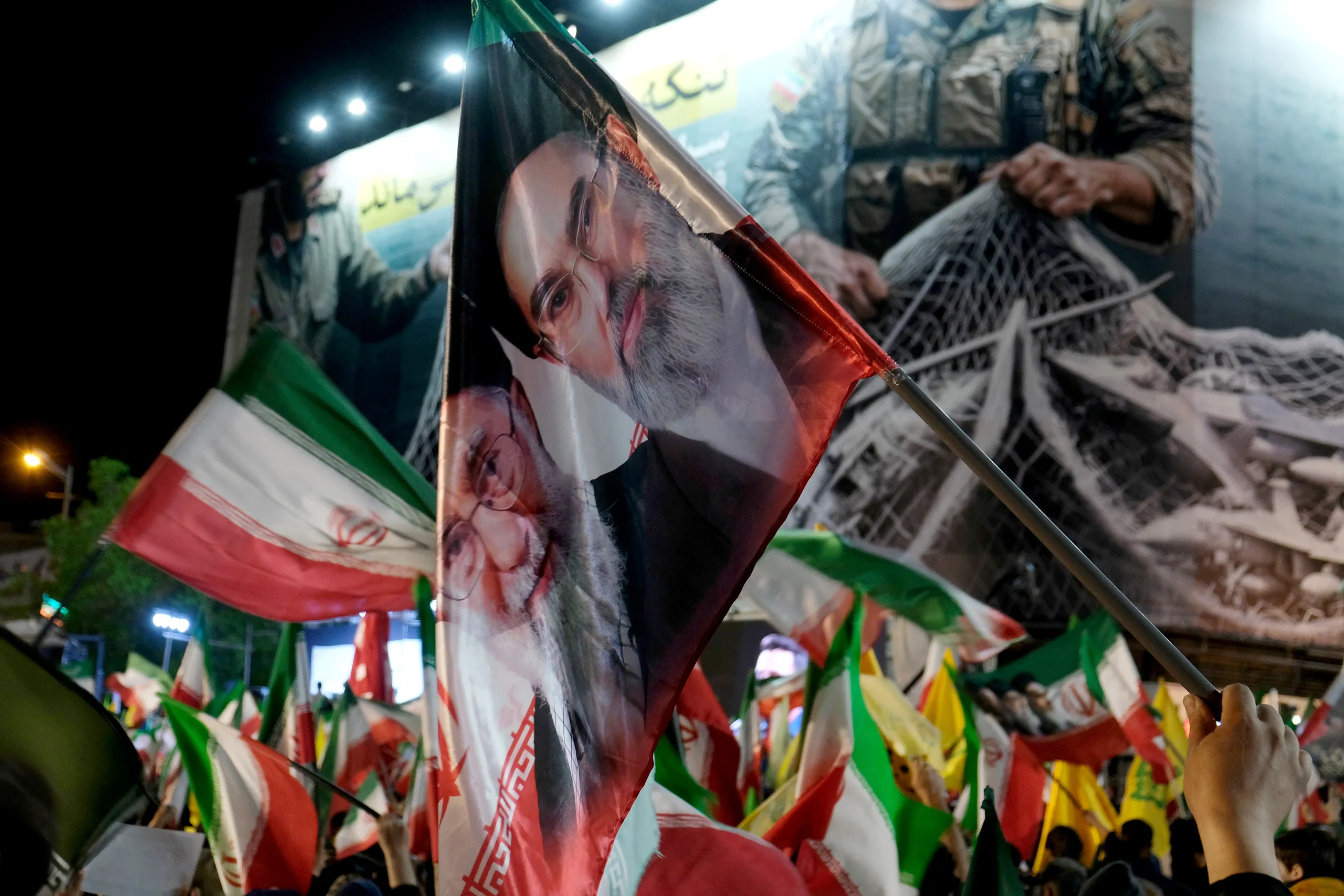
Oil prices moved higher as investors grew increasingly cautious about the uncertain state of negotiations between the United States and Iran. Traders are closely monitoring diplomatic efforts aimed at achieving a ceasefire and reopening the Strait of Hormuz, one of the world’s most critical oil shipping routes. Concerns that talks could fail have continued to support higher crude prices across global markets.
Both Brent crude and U.S. benchmark oil prices gained as markets reassessed the risks to energy supplies from the Middle east. While there have been signs of progress in negotiations, no final agreement has been reached. Investors remain focused on statements from U.S. President Donald Trump and Iranian officials for clues about the direction of diplomacy.
The Strait of Hormuz remains at the center of market attention because it handles a significant share of the world’s oil shipments. Any disruption in the waterway has the potential to affect fuel prices, inflation and global trade. Although hopes for a diplomatic breakthrough have prevented sharper spikes in oil prices, uncertainty surrounding the talks continues to keep markets on edge. Analysts say traders are weighing two possibilities — one involving successful diplomacy that could stabilize supplies, and another involving renewed conflict that may further tighten global energy flows.
Global Stock Markets Continue Strong Rally
Despite rising geopolitical tensions and higher oil prices, global stock markets extended their rally. Asian markets led the gains, with Japan’s Nikkei 225 and South Korea’s Kospi reaching fresh record highs as investors remained optimistic about technology growth, artificial intelligence investments and strong corporate earnings.
Technology and semiconductor companies were among the strongest performers, especially after South Korea reported robust export growth driven by semiconductor demand. Investor enthusiasm around artificial intelligence continued to boost confidence across the sector. The momentum followed strong performances on Wall Street, where major U.S. indexes also recently touched record levels.
While equity markets are looking at economic resilience and future growth, analysts said commodity markets are still more sensitive to immediate supply issues and military developments. Despite ongoing tensions in the Middle East, many investors seem to be more focused on long-term earnings growth than short-term geopolitical risks.
China was one of the few weak spots in the broader market picture after manufacturing data showed continued softness in factory activity. Although the data did not derail the global rally, it reinforced concerns about slowing global demand and economic momentum in the world’s second-largest economy.
Strait of Hormuz Still Key Market Factor
Uncertainty around the Strait of Hormuz remains a significant factor supporting oil prices. The route is one of the world’s most important energy corridors and any threat to shipping activity can quickly affect global energy markets. While ceasefire negotiations have included discussions on restoring normal shipping operations, progress has been patchy.
Investors had initially hoped that diplomatic efforts would lead to a quicker reopening of shipping routes but ongoing disagreements and periodic military exchanges have complicated those expectations. As such traders continue to price in the risk of prolonged disruptions.
Analysts say even small developments in negotiations can trigger strong reactions in financial markets. Positive diplomatic signals often push oil prices lower, while renewed military activity tends to spark immediate gains in crude prices as traders reassess the risk to global supplies.
Investors Balance Growth Optimism With Global Risks
As financial markets head into June, investors are balancing strong economic momentum against lingering geopolitical uncertainty. Stock markets have generally been underpinned by confidence in technology firms, buzz around artificial intelligence investment and resilient corporate earnings. Commodity traders meanwhile remain focused on developments in the Middle East.
Market participants are also preparing for upcoming economic data that could influence expectations on growth, employment and central bank policy. Analysts say the widening gap between strong stock market performance and volatile oil prices is a sign of the contrast between long-term economic optimism and short-term geopolitical risks.
For now, investors are closely monitoring developments involving the United States, Iran and the Strait of Hormuz. The outcome of ongoing talks could have a major effect not just on energy markets but also on overall global investor sentiment in the weeks to come.

Maria Sanchez
Maria covers international trade and regional economic shifts with a focus on geopolitical stability.
Related Post
Markets Turn Volatile as Iran Tensions Threaten Global Energy Supply
Asian Markets Rally as United States and Iran Move Closer to Possible Deal
Nvidia Reports Record $81.6 Billion Quarter as AI Boom Accelerates
Global Markets Slide as United States-Iran Tensions Push Oil Prices Higher
RECENT POST
- »Asian Markets Rally as United States and Iran Move Closer to Possible Deal
- »Family Offices in 2026: Shifting from Preservation to Planetary Impact
- »Louisiana Republicans Advance Congressional Map Reducing Majority-Black Districts
- »Marco Rubio Pushes US Energy Exports During Critical India Visit
- »OpenAI Reportedly Explores Legal Options Against Apple Over AI Partnership