Trump Announces Deal Giving US Control of 65 Billion Barrels of Venezuelan Oil
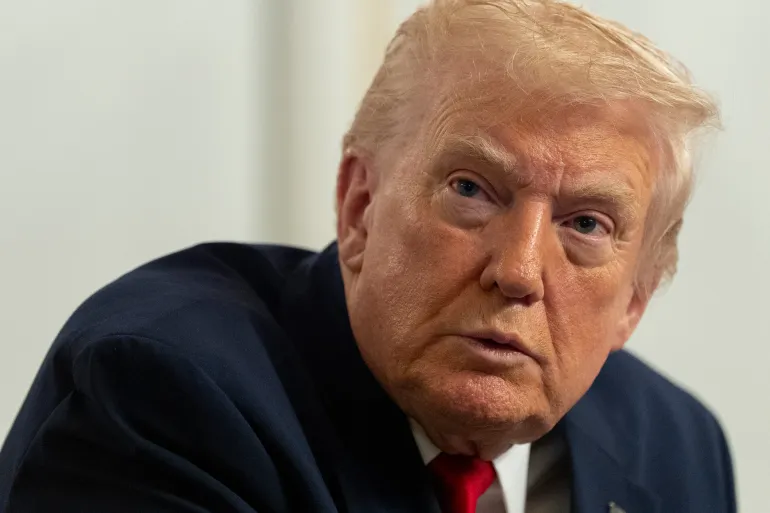
President Donald Trump has announced what he described as a "historic" agreement with Venezuela that would give US interests majority control over more than 65 billion barrels of proven Venezuelan oil reserves, marking a dramatic expansion of Washington's involvement in the South American country's energy sector. Trump called it "the biggest oil deal in world history" and said the arrangement would significantly increase US oil supplies while helping lower gasoline prices for American consumers over the long term. The agreement was negotiated by Secretary of State Marco Rubio and Secretary of War Pete Hegseth in cooperation with Venezuelan interim President Delcy Rodriguez, according to Trump. The announcement comes at a politically sensitive moment as the administration faces pressure over elevated fuel prices and seeks to strengthen US access to reliable energy supplies.
Trump said the agreement was secured through a partnership with private businesses and would come at "no cost to the American taxpayer." The US president argued that controlling such a large share of Venezuela's proven reserves would more than double America's oil reserves and substantially strengthen the country's energy position. The White House has not yet released a full explanation of the legal structure of the agreement, including exactly which oil fields are covered, which American companies would participate, or how ownership and operating rights would be divided. Those unanswered questions are likely to become central to the political debate surrounding the deal, particularly because Venezuela's oil industry remains heavily controlled by the state and its legal and regulatory framework has undergone major changes in recent years.
Venezuela's interim government also welcomed the agreement, presenting it as a major opportunity to rebuild an oil industry that has suffered from years of underinvestment, declining production and damaged infrastructure. Rodriguez said the agreement involves the development of 17 strategic oil fields with proven potential of more than 65 billion barrels. Venezuelan officials said the program could attract more than $100 billion in private investment and generate more than $209 billion in tax revenue for the Venezuelan state. The government described the deal as a path toward increased production, economic recovery and stronger relations with the United States.
The scale of the reserves involved is particularly significant. Venezuela possesses the largest proven oil reserves in the world, estimated at roughly 303 billion barrels, much of them consisting of heavy crude that requires specialized processing and substantial investment to extract and refine. The country's oil production, however, remains far below its historical potential because years of economic crisis, sanctions, equipment shortages and infrastructure deterioration have weakened the industry. Current production is reported at around 1.25 million barrels per day, a fraction of the levels achieved during Venezuela's peak years. The Trump administration believes American investment and technology can help restore output, potentially turning Venezuela into a much more important supplier of crude to global and US markets.
The timing of the agreement is also politically important for Trump. Oil and gasoline prices have become increasingly sensitive issues for the administration as consumers face higher costs at the pump. The ongoing conflict involving Iran has disrupted energy markets and increased uncertainty around global oil supplies, putting additional pressure on governments that rely on affordable fuel. By securing greater access to Venezuelan crude, Washington hopes to expand the supply available to US refiners and potentially reduce some of the market pressure created by geopolitical disruptions elsewhere. Trump has repeatedly linked energy production with broader economic security, arguing that greater access to oil and gas will help keep American inflation under control.
The agreement also represents a dramatic change in the relationship between Washington and Caracas. Earlier this year, the United States carried out a military operation in Venezuela that resulted in the removal and capture of former President Nicolás Maduro, who was subsequently brought to the United States to face criminal charges. Since then, Washington has been working with Venezuela's interim leadership to reshape the country's political and economic direction. The new oil agreement appears to be one of the clearest indications yet that energy policy is at the center of the administration's strategy toward Venezuela.
Critics of the agreement, however, are already questioning whether it represents an economic partnership or an aggressive expansion of American control over Venezuela's natural resources. Some members of Venezuela's opposition have described the arrangement as a "land grab," arguing that the country risks losing control over a huge share of its oil wealth. The criticism comes from a particularly sensitive political context, as many Venezuelan opposition figures had hoped US involvement would lead to stronger democratic reforms rather than a deal centered primarily on energy resources. The controversy could therefore complicate Washington's attempts to portray the agreement as a mutually beneficial economic partnership.
There are also substantial practical obstacles to turning the announcement into additional oil supplies. Venezuela's energy infrastructure has deteriorated over many years, including pipelines, refineries, drilling equipment and export facilities. Reviving large oil fields will require significant investment, specialized technology and time. Analysts caution that even if American companies begin investing immediately, it could take years before Venezuela's production increases enough to have a substantial effect on global oil markets. Heavy Venezuelan crude also requires refineries equipped to process it efficiently, creating additional logistical considerations for US energy companies.
For American energy companies, the agreement could create significant new opportunities in one of the world's largest untapped petroleum markets. Chevron, currently the only major US oil company operating in Venezuela, already has experience with the country's difficult operating environment. However, broader investment will depend on the legal protections provided to private companies and the stability of Venezuela's political institutions. Investors are likely to demand clear guarantees concerning contracts, ownership rights, sanctions, taxation and the ability to repatriate profits before committing tens of billions of dollars to new projects.
The agreement could also reshape regional energy politics. Increased Venezuelan oil exports would potentially strengthen the United States' energy position in the Western Hemisphere while reducing the relative importance of some overseas suppliers. Washington has increasingly emphasized the concept of energy security as part of its broader foreign-policy strategy, particularly as conflicts in the Middle East threaten major shipping routes and oil infrastructure. Greater production from Venezuela could therefore be viewed not simply as a commercial opportunity but as a strategic effort to diversify the sources of oil available to the American economy.
For Venezuela, the potential benefits are equally enormous but depend on implementation. The country needs billions of dollars in investment to restore production, modernize infrastructure and rebuild an industry that once generated enormous government revenues. Higher oil output could provide the state with additional tax income while creating jobs and supporting wider economic recovery. Rodriguez's government has presented the agreement as a way to establish a new era of investment, production and economic stability. But the success of that strategy will depend on whether foreign investors are willing to commit the estimated sums required and whether Venezuela can establish predictable legal and political conditions for them.
For global energy markets, the immediate impact may be more limited than Trump's announcement suggests. Venezuela holds an extraordinary volume of oil underground, but reserves are not the same as immediately available production. Bringing tens of billions of barrels into the market would require years of development and substantial infrastructure spending. As a result, traders are likely to focus on production targets, investment commitments and the pace at which individual fields can be brought back online rather than simply the headline size of the reserves.
The deal nevertheless represents a major geopolitical and economic development. It places Venezuela's enormous oil reserves at the center of US foreign policy while giving American companies a potentially historic role in rebuilding the country's energy industry. It also demonstrates how closely energy security, international diplomacy and domestic political pressures have become intertwined. Trump's announcement may mark the beginning of a major transformation in the Venezuelan oil sector, but the ultimate significance of the agreement will depend on whether the proposed investment can actually translate into higher production, lower fuel prices and a sustainable economic recovery for Venezuela.
Related Post
Senate Panel Moves Toward Contempt Vote Against Anthony Fauci Over COVID Hearing Dispute

Wesley Bell Beats Cori Bush in Missouri Primary as Democratic Party Divisions Deepen
Keir Starmer Donates His Own Biography to Historic Downing Street Library

UK Lawmakers Debate Donation Limits as Concerns Grow Over Big Money in Politics
RECENT POST
- »Trump Announces Deal Giving US Control of 65 Billion Barrels of Venezuelan Oil
- »Gen Z's Love of Cold Drinks Is Reshaping Starbucks and the Beverage Market
- »Why Robotic Pizza Makers Are Struggling to Replace Human Workers
- »Judge Rules Trump Administration Unlawfully Retaliated Against Anthropic
- »Electric Gardening Equipment Is Replacing Petrol Tools as Landscapers Go Greener