Jeff Bezos Predicts AI Will Lead to Worker Shortages, Not Job Losses
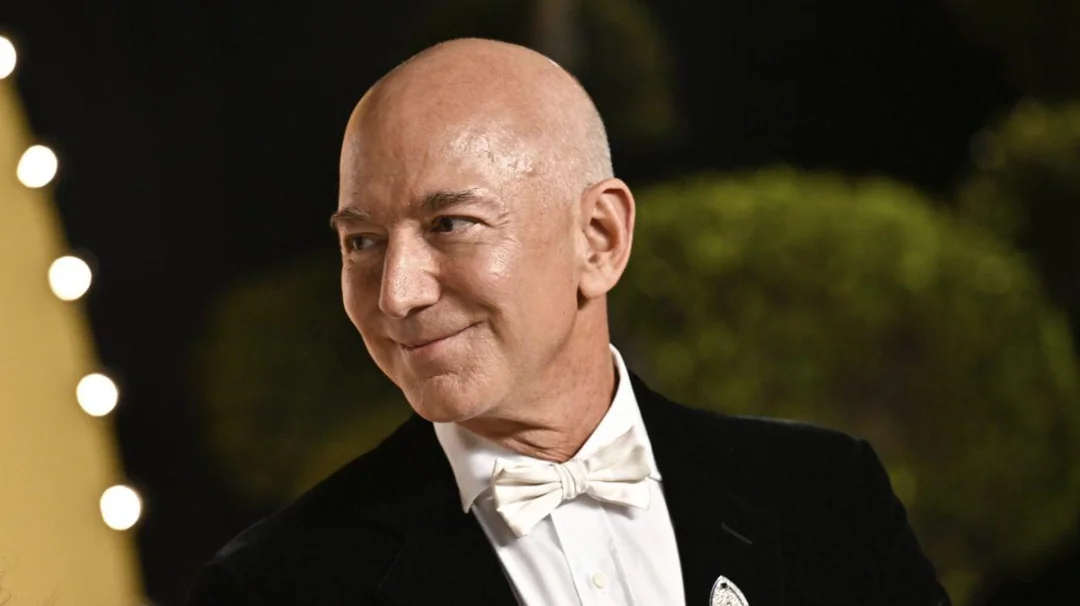
Jeff Bezos told a crowd in Paris that artificial intelligence is more likely to create labor shortages than widespread unemployment. Speaking at the VivaTech conference, the Amazon founder challenged the idea that AI will wipe out millions of jobs. He said technology tends to create new industries and opportunities, rather than permanently reducing the need for workers.
Bezos acknowledged that AI will automate some tasks and change existing roles. But he said fears of mass job loss miss how economies adapt.
Past technological revolutions often increased productivity while creating entirely new kinds of work. His remarks come as governments, companies and workers grapple with the impact of AI on the labor market. The technology is increasingly capable of handling tasks that humans used to perform. Despite that, Bezos said the long-term picture is likely one of growth, not job cuts.
Learning from History
Bezos pointed to historical examples where major technological advances initially caused alarm over job losses. Electricity, computers, and the internet all disrupted industries, but they also created millions of new jobs and lifted living standards.
He said AI is likely to follow the same pattern. Some jobs will vanish or change, but new jobs and business sectors will be created. It is human creativity and adaptability, he argued, that enable societies to benefit from innovation. The billionaire also noted that labor shortages could become a bigger concern than unemployment. As the population ages and the demand for skilled workers increases, the challenge may be to make sure there are enough people to take on new jobs.
AI and Productivity
Bezos described AI as a tool that can make workers more productive. Companies already are using it for research, software development, customer service, logistics and data analysis.
AI can relieve employees of repetitive work and allow them to focus on higher-value work, he said. The technology could also speed up innovation and economic growth. Higher productivity often drives demand for goods and services, which can create new jobs.
Economists largely agree, though they caution that the transition won’t be seamless. Some workers will see their roles change or disappear.
Bezos stressed the importance of investing in education, training and reskilling to allow workers to capitalize on the new opportunities created by AI.
The Debate Goes On
Though he’s optimistic, there are still doubts over AI’s effects on the workforce. Certain experts fear automation could take jobs from people in industries like administrative support to professional services. Others say AI will supplement, not supplant, human labor.
Governments around the world are looking at policies to support workforce development and education. Businesses are trying to get AI in and remain productive and competitive.
Bezos said the challenge is not whether automation will create mass unemployment, but how to manage the transition. The bigger challenge, he said, is to ensure there are enough workers to meet growing demand in a more productive economy.
As AI continues to evolve, the conversation about jobs, productivity, and economic growth will only get more urgent. Bezos’ comments add a clear voice to the debate: AI may transform work, but it won’t erase the need for human labor. The question is how society adapts.
Related Post

Apple WWDC 2026 Focuses on AI Progress and Siri Improvements
Google Slashes AI Plus Pricing and Expands Storage in New Challenge to AI Subscription Rivals
Snap Unveils $2,195 AR Glasses as Spiegel Pushes Beyond Smartphones

Intel Launches Arc G3 Chips for Handheld Gaming PCs
RECENT POST
- »Asian Markets Rally as United States and Iran Move Closer to Possible Deal
- »Family Offices in 2026: Shifting from Preservation to Planetary Impact
- »Trump-Backed Moore Captures Alabama GOP Senate Nomination
- »Marco Rubio Pushes US Energy Exports During Critical India Visit
- »Apple WWDC 2026 Focuses on AI Progress and Siri Improvements